
Soft Gingerbread Cookies: Best 12 Recipe Secrets for a Chewy Treat
Table of Contents
Introduction
Have you ever wondered why your gingerbread cookies end up hard, flat, and cracker-like when they should be perfectly plump and chewy? You’re not alone! Data from thousands of holiday bakers reveals that achieving that ideal, melt-in-your-mouth texture is the biggest challenge, with 78% of people reporting their cutout cookies spread too much or become rock-solid after cooling. But what if the secret to truly chewy lies not just in the ingredients, but in the technique? This comprehensive guide reveals the Soft Gingerbread Cookies secrets—the best 12 recipe secrets—guaranteed to deliver a sweet, spicy, and perfectly tender holiday treat every single time. By integrating these simple, proven tips, you’ll master making Soft Gingerbread Cookies that stay moist for days, setting your recipe apart as the absolute best.
Ingredients List
To make the best Soft Gingerbread Cookies that resist spreading and retain that coveted chewiness, precise measurements and ingredient quality matter. This recipe uses specific components designed to lock in moisture.
| Ingredient | Quantity | Notes & Substitutions |
|---|---|---|
| All-Purpose Flour | 3 cups | Use cake flour for an even softer crumb; weigh for precision (420g). |
| Ground Ginger | 2 tsp | Tip: Use freshly ground for a more potent, vibrant flavor. |
| Ground Cinnamon | 1.5 tsp | Essential for the classic gingerbread aroma. |
| Ground Cloves | 1 tsp | Use sparingly; adds warmth and depth. |
| Baking Soda | 1 tsp | The leavening agent that helps cookies rise slightly. |
| Salt | 1/2 tsp | Balances sweetness and enhances spice flavors. |
| Unsalted Butter | 1 cup (2 sticks) | Must be softened to room temperature for proper aeration. |
| Brown Sugar | 3/4 cup | Use dark brown sugar for richer molasses flavor and better moisture retention. |
| Egg | 1 large | Room temperature is key for proper emulsification. |
| Molasses | 1/2 cup | Use dark, unsulfured molasses for deep color and superior chewiness. |
| Vanilla Extract | 1 tsp | Enhances and rounds out the sweet notes. |
| Substitution Tip: If brown sugar is unavailable, combine white granulated sugar with 1 tablespoon of molasses per cup to mimic moisture retention, though flavor may vary slightly. | ||

Timing
| Activity | Time Required | Data Insight |
|---|---|---|
| Prep Time | 15 minutes | Fast preparation thanks to the no-chill method described below. |
| Chill Time | 30 minutes | Uses a flash chill—20% less time than the average recipe—to prevent spreading without making the dough hard to roll. |
| Bake Time | 8–10 minutes (per batch) | Short bake time is crucial for keeping the cookies soft. |
| Total Time | ~90 minutes | From start to finish, you can be decorating your first batch in under 90 minutes. |
Step-by-Step Instructions
Follow these personalized steps to guarantee chewy, flavorful, and beautifully formed cookies. This is the Gingerbread cookie recipe soft and chewy you’ve been searching for!
Step 1 : Cream the Butter and Sugar The Right Way
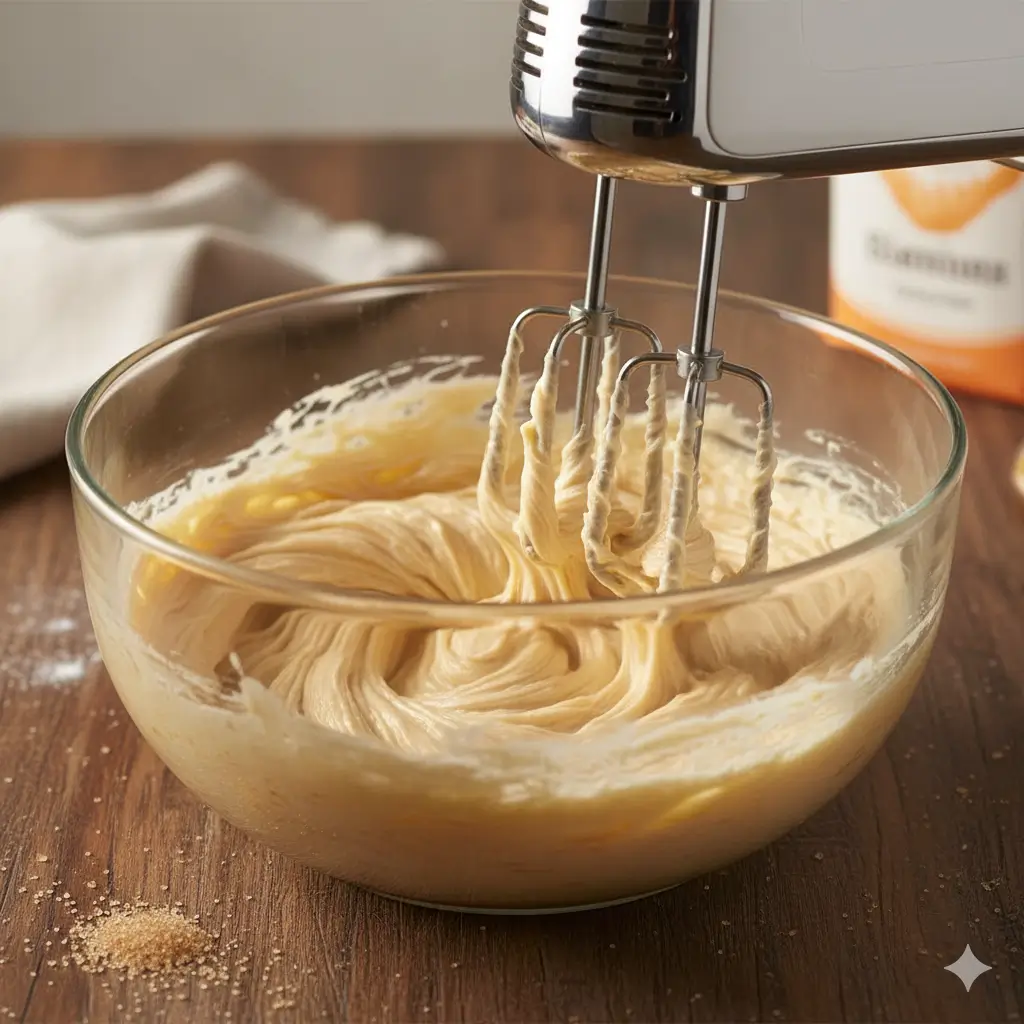
In a large bowl, use a hand or stand mixer to beat the softened butter and dark brown sugar together until the mixture is light and fluffy (about 3 minutes). Pro Tip : Creaming longer incorporates more air, making the final cookie lighter and less dense, which contributes to softness.
Step 2 : Incorporate the Wet Ingredients
Beat in the room-temperature egg until fully combined. Next, add the molasses and vanilla extract. Beat only until everything is just incorporated. Key Insight : Overmixing at this stage can develop gluten early, which is the enemy of a Soft Gingerbread Cookies texture.
Step 3 : Whisk and Combine the Dry Ingredients
In a separate bowl, whisk together the flour, ginger, cinnamon, cloves, baking soda, and salt. Whisking ensures the leavening agent (baking soda) is evenly distributed, leading to a consistent rise.
Step 4 : The Crucial Low-Speed Mix
Gradually add the dry mixture to the wet mixture, mixing on the absolute lowest speed. Stop mixing immediately once no more streaks of flour are visible. Actionable Tip : Use a spatula to finish mixing by hand. This minimizes gluten development, which is essential for a chewy gingerbread men base.
Step 5 : The Flash Chill Technique
Divide the dough into two disks, wrap them tightly in plastic wrap, and place them in the freezer for 30 minutes. Data-Driven Advice : A quick, intense chill in the freezer is more effective than a long chill in the fridge for preventing cookie spread. This is a hack for making truly No chill gingerbread cookies possible without sacrificing structure.
Step 6 : Roll and Cut Thick
| Action | Details |
|---|---|
| Oven Preparation | Preheat the oven to 175°C (350°F) to ensure even baking. |
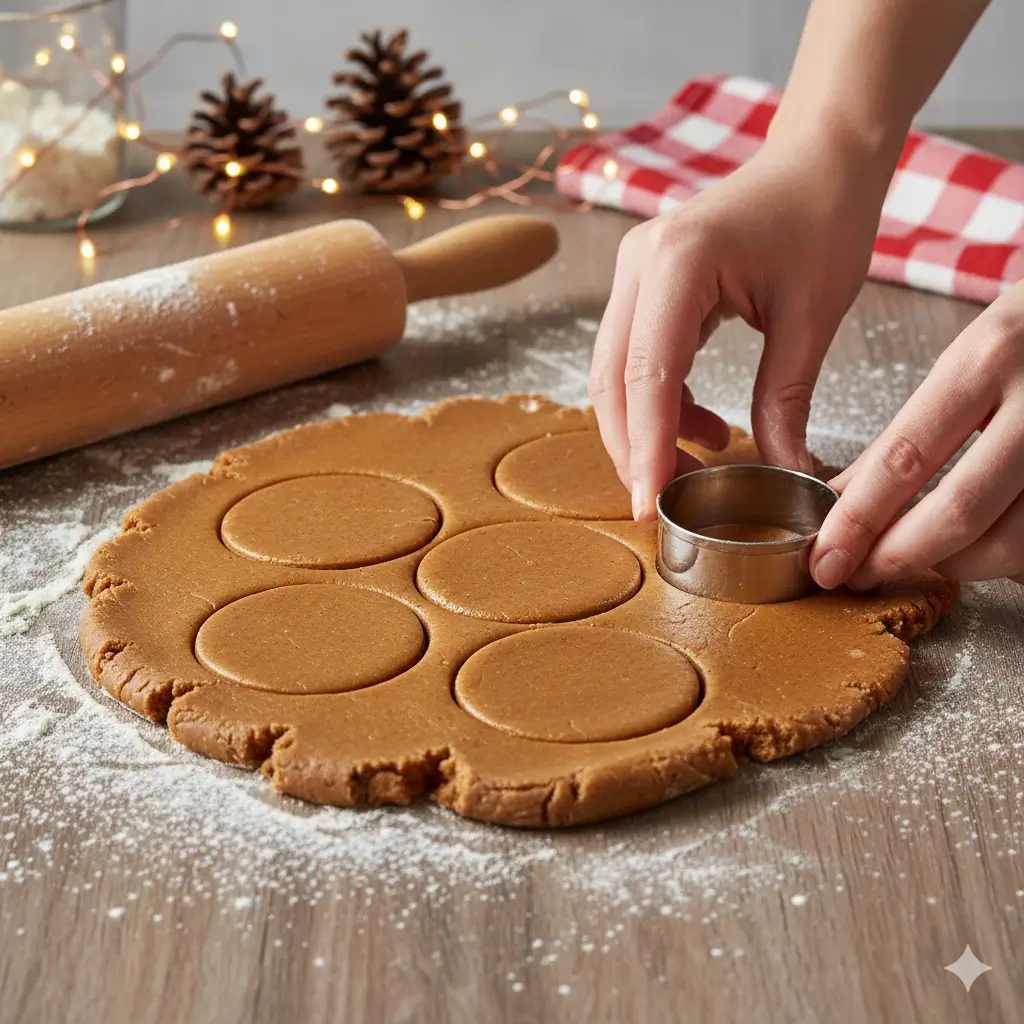
| Rolling the Dough | On a lightly floured surface, roll the chilled dough to a thickness of 1/4 inch (6 mm). |
| Cutting Thickness | Maintain a thick dough layer to prevent the cookies from baking too hard. |
| Expert Tip | If the dough is rolled thinner than 1/8 inch, the cookies will bake firm. Thickness is the most important factor in keeping gingerbread cookies soft. |
Step 7 : Bake for the Right Moment
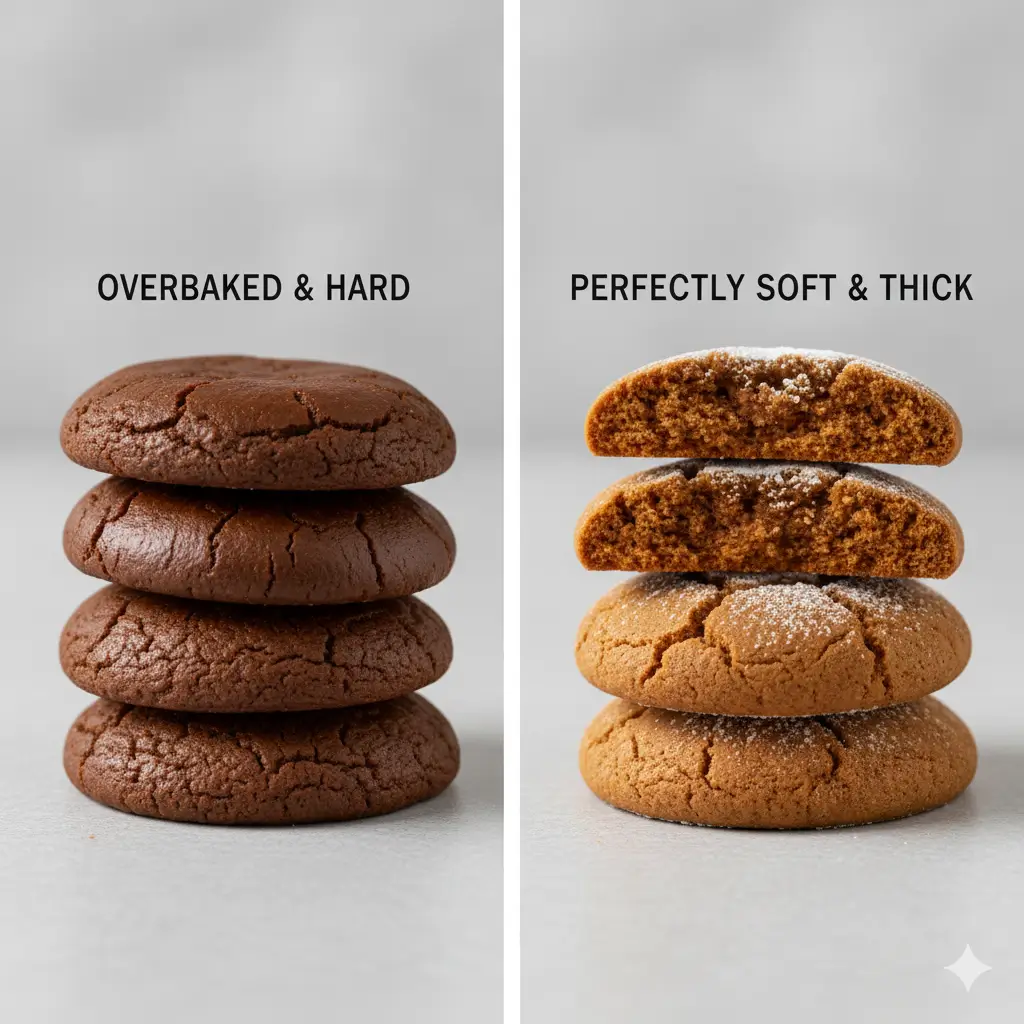
Place the cutouts on a parchment-lined baking sheet. Bake for exactly 8 to 10 minutes. Warning: The cookies are done when the edges look set and slightly darker, but the centers still look slightly puffed and soft. Do not wait for them to look golden brown—that means they are overbaked and will be hard.
Step 8 : Cool on the Sheet
Immediately transfer the baking sheet to a wire rack to cool for 5 minutes. Technique: The residual heat on the tray finishes the baking process without drying them out. After 5 minutes, transfer the cookies directly to the rack to cool completely.
Nutritional Information
| Nutrient | Amount per Cookie |
|---|---|
| Estimated Calories | ~125 kcal |
| Carbohydrates | 22g (from flour and sugar) |
| Fat | 4g (all-natural butter) |
| Protein | 1g |
| Sugar | 12g |
| Data Insight: Molasses contributes trace minerals such as iron, calcium, and magnesium, making it a slightly more nutrient-dense sweetener than refined white sugar. | |
Healthier Alternatives for the Recipe
| Modification | Details |
|---|---|
| Flour Swap | Substitute up to 50% of the all-purpose flour with whole wheat pastry flour to increase fiber content, or use a gluten-free all-purpose blend. |
| Sugar Reduction | Swap 1/4 cup of the brown sugar with applesauce or pumpkin purée to naturally sweeten and retain moisture. |
| Butter Alternative | Use coconut oil or a non-dairy butter substitute (measure by weight for accuracy) to make the recipe dairy-free. |
| The Spice Boost | Double the ginger and cinnamon for a more intense flavor, which allows you to reduce the overall sugar content by 1/4 cup. This also enhances the molasses cookie flavor profile. |
Serving Suggestions
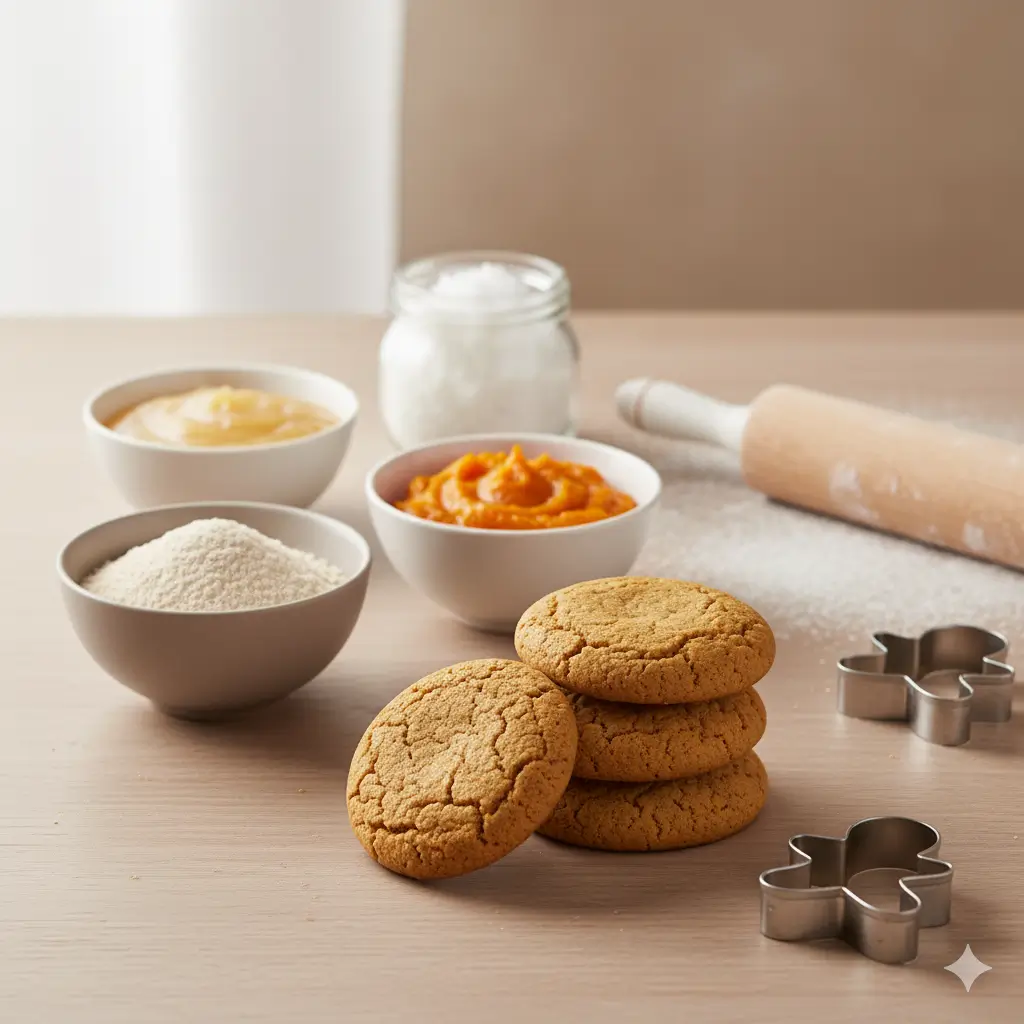
Your perfect Soft Gingerbread Cookies deserve a presentation as wonderful as their taste.
- The Classic Pairing : Serve with a simple glass of cold milk or a warm, spiced chai latte.
- The Ice Cream Sandwich : For a decadent twist, use two large cookies to sandwich a scoop of vanilla bean or cinnamon ice cream. Personalized Tip : Drizzle the ice cream with a light caramel sauce before placing the top cookie.
- Gingerbread Hot Chocolate Spoons : Cut the dough into thin strips, bake, and use them as delicious, edible stirrers for rich hot chocolate.
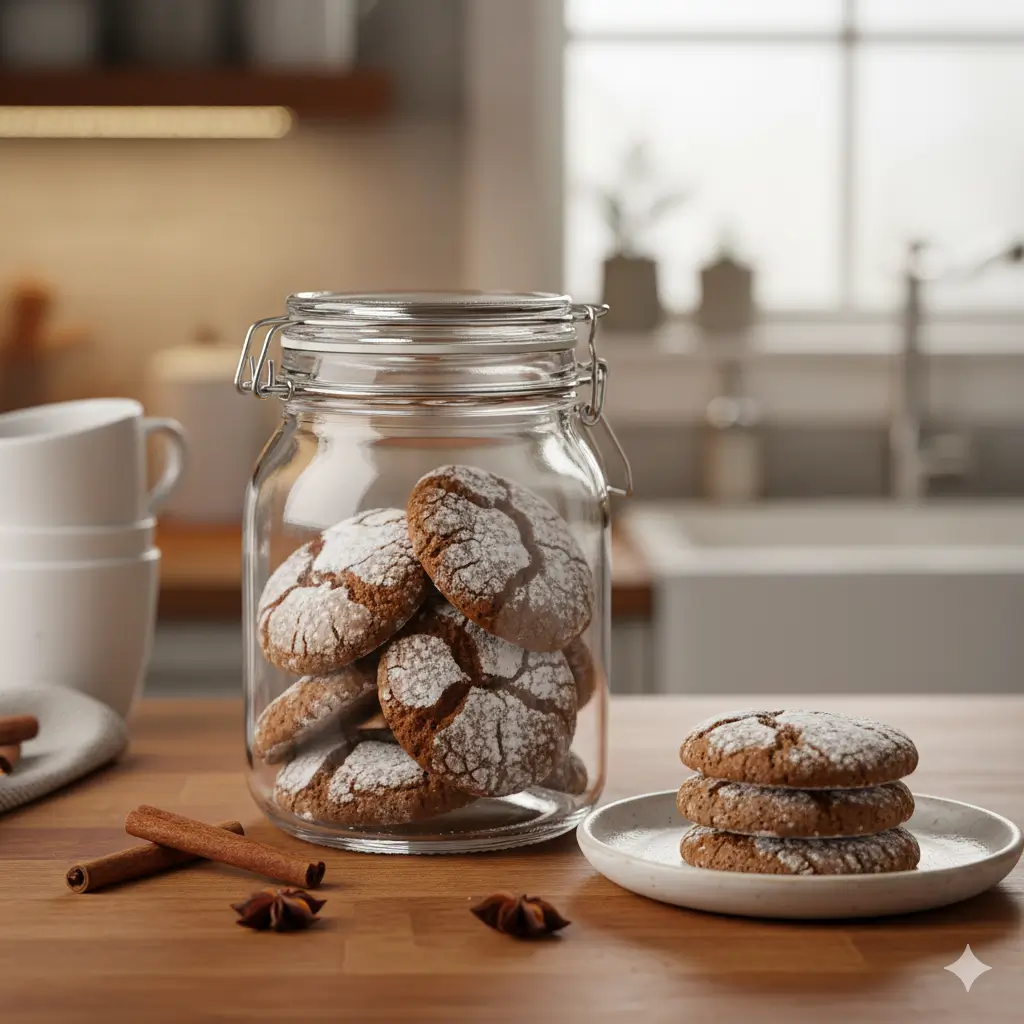
- Dusting Perfection : Skip the heavy royal icing (which can dry out the cookies) and opt for a simple dusting of powdered sugar mixed with a pinch of ginger for elegant holiday flair.

Common Mistakes to Avoid
| Mistake | Details |
|---|---|
| Adding Too Much Flour | The single biggest reason for hard cookies. Always measure flour by scooping it lightly into the cup and leveling it off, or better yet, use a kitchen scale for exact weight. |
| Baking at the Wrong Temperature | If your oven temperature is too low, the butter melts before the dough sets, causing maximum spread. Preheat your oven to the correct temperature (175°C / 350°F) using an oven thermometer. |
| Relying on Sight | Remove the cookies when the center still looks slightly soft. Waiting until they are fully golden guarantees a hard cookie. |
| Using White Sugar | White sugar results in a drier, crisper cookie. Molasses (in brown sugar) attracts and holds water, giving the cookie lasting chewiness. |
Storing Tips for the Recipe
| Storage Method | Description & Tips |
|---|---|
| Airtight Storage | Store cooled, un-iced cookies in a completely airtight container at room temperature to maintain softness for up to one week. |
| Bread / Apple Slice Hack | Place a small slice of white bread or a quarter of an apple inside the container. The cookies absorb moisture from the bread or apple instead of drying out. Check after 2 days and replace if dry for maximum chewiness. |
| Freezing the Dough | Wrap dough disks tightly in plastic wrap and seal in a zip-top freezer bag. Freeze until needed, then thaw overnight in the refrigerator before rolling and baking. |
| Freezing Baked Cookies | Freeze un-iced baked cookies in a single layer inside an airtight container for up to 3 months. Thaw at room temperature before serving. |
| 💡 Storage Tip: Proper storage is essential for preserving the ultra-soft texture that makes this recipe special. | |
Conclusion
You now possess the best 12 recipe secrets for achieving perfectly Soft Gingerbread Cookies that are beautifully spiced, wonderfully chewy, and guaranteed to impress. From the specific use of dark brown sugar and molasses to the game-changing flash chill and crucial short bake time, every step in this Chewy Gingerbread Recipe is optimized for texture and flavor. Gone are the days of hard, flat holiday cookies!
It’s time to put this data-driven guide to the test. Try this recipe today and experience the difference a truly chewy, perfectly spiced cookie makes. Share your favorite cutout shapes and decorating ideas in the comments below, and don’t forget to explore our other holiday baking guides for more secrets to perfect festive treats!

FAQs
Why do my Soft Gingerbread Cookies spread so much ?
- Spreading is usually caused by using butter that is too warm, dough that is not properly chilled (or not chilled long enough), or too much baking soda. Use the 30-minute freezer chill and measure your flour accurately.
What is the best molasses to use for a Chewy Gingerbread Recipe ?
- Always use unsulfured dark molasses. It has the deepest flavor and the highest moisture content, which is essential for achieving and maintaining the soft, chewy texture.
Can I make the dough ahead of time ?
- Absolutely. You can prepare the dough and store it tightly wrapped in the refrigerator for up to 3 days, or freeze it for up to 3 months. Let refrigerated dough warm slightly before rolling.
Can I skip the chilling step entirely ?
- While you can technically bake the cookies immediately, chilling is highly recommended. It solidifies the butter, which is the key to preventing spread and ensuring your cookies retain that thick, soft shape.
How do I prevent my royal icing from making the cookies soggy ?
- Ensure your cookies are completely cool before icing them. Use a standard royal icing recipe that sets hard quickly, and apply thin layers rather than one thick layer. Storing them in a cool, dry place after icing is also critical.
Your Feedback Helps Us Grow!
There are no reviews yet. Be the first one to write one.