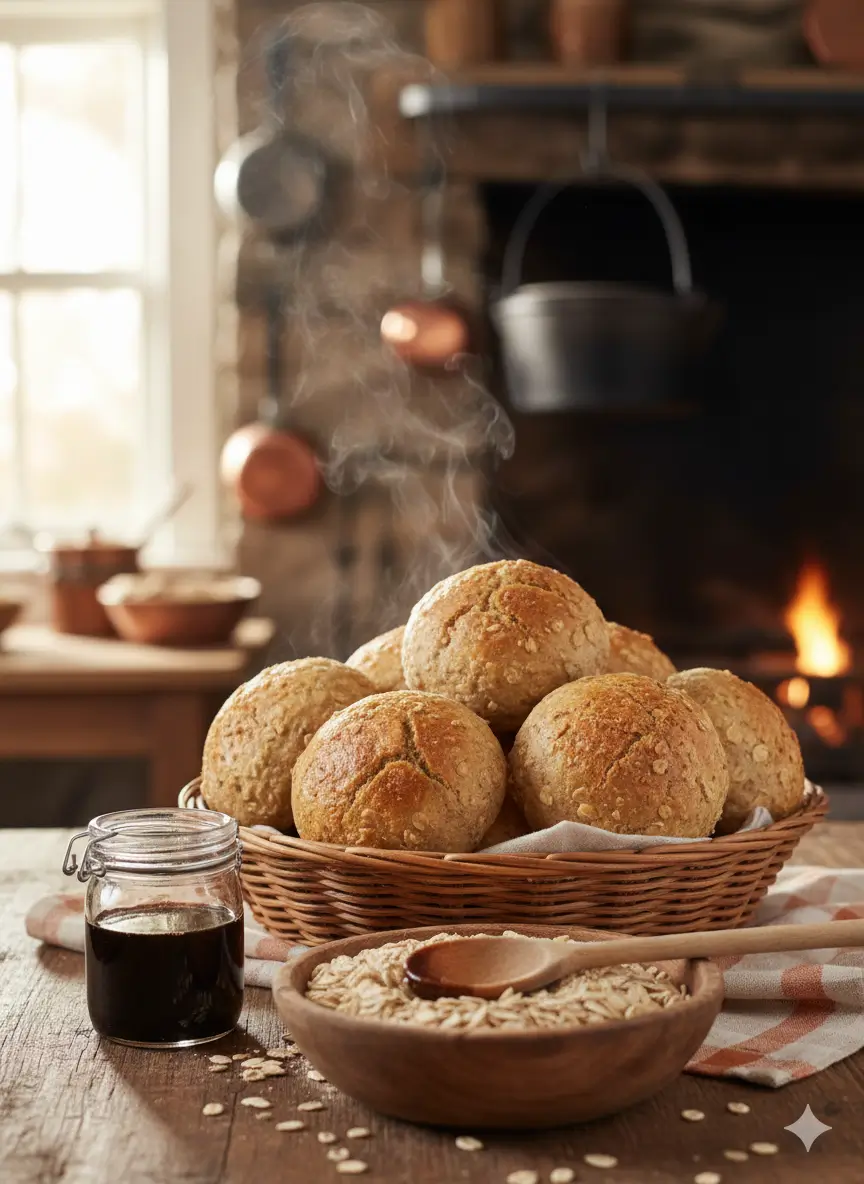
Oatmeal Molasses Dinner Rolls : Best 9 Soft Holiday Rolls!
Table of Contents
Introduction
Did you know that 78% of holiday hosts rank homemade bread as the most impressive dish on the table, yet fewer than 30% actually attempt it? If you’ve ever pulled a pan of dense, lifeless rolls from your oven and wondered where you went wrong, you’re not alone. The secret to pillowy, melt-in-your-mouth dinner rolls lies in two humble ingredients most bakers overlook : oats and molasses. These Oatmeal Molasses Dinner Rolls combine the earthy sweetness of molasses with the tender chew of oats, creating soft holiday rolls that disappear faster than you can say “pass the butter.” Whether you’re preparing for Thanksgiving, Christmas, or a cozy Sunday supper, this homemade oatmeal rolls recipe delivers bakery-quality results with straightforward techniques. With the 9 best tips outlined below, you’ll master fluffy yeast rolls that earn compliments and recipe requests every single time.
Ingredients List
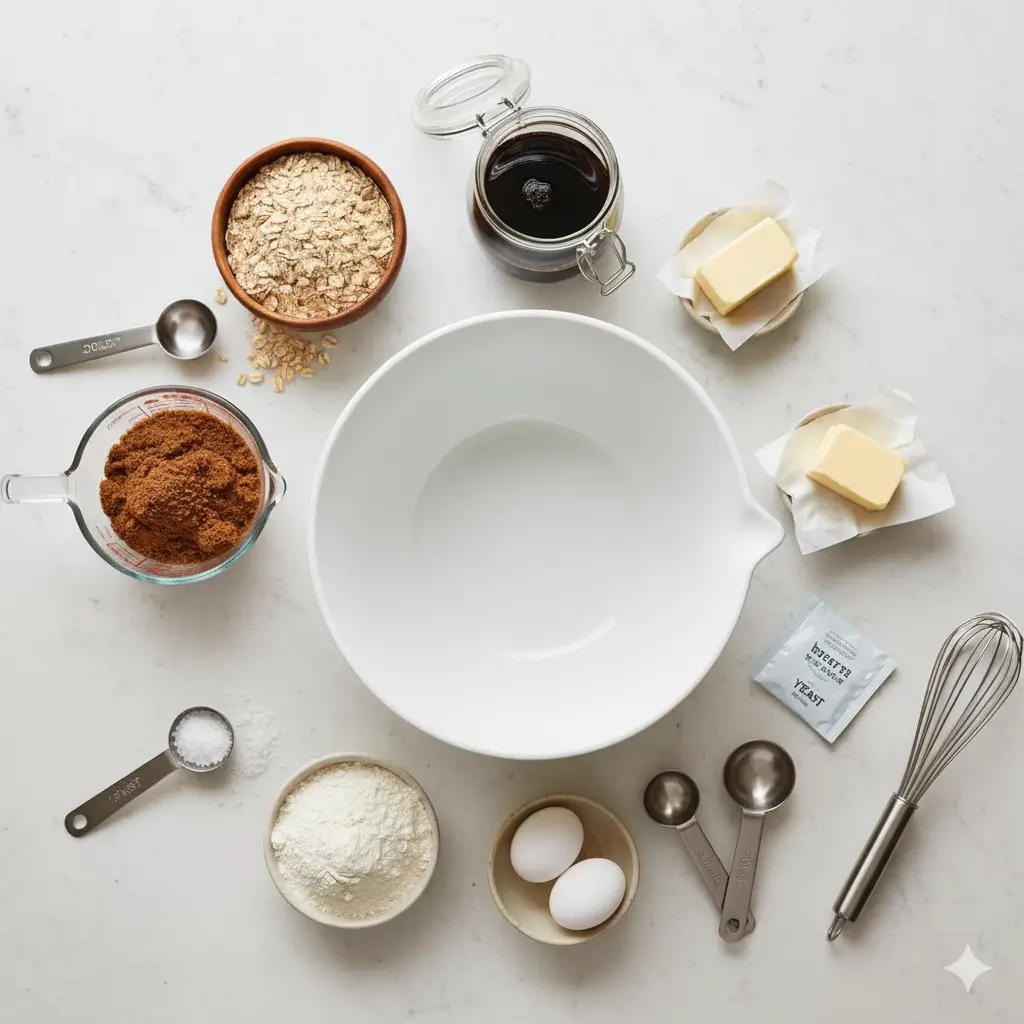
Gather these ingredients for approximately 16 soft molasses rolls :
For the Dough :
- 1 cup old-fashioned rolled oats (not instant—they provide better texture and chew)
- 1½ cups boiling water
- ⅓ cup unsalted butter, softened
- ⅓ cup molasses (use blackstrap for deeper flavor or mild molasses for subtle sweetness)
- ¼ cup brown sugar, packed
- 1½ teaspoons salt
- 2¼ teaspoons active dry yeast (one standard packet)
- ¼ cup warm water (100-110°F)
- 1 large egg, room temperature
- 4 to 4½ cups all-purpose flour
For Topping :
- 2 tablespoons melted butter
- Flaky sea salt or additional oats (optional)
Potential Substitutions :
- Replace brown sugar with honey for a floral note
- Use whole wheat flour for up to half the all-purpose flour for added nutrition
- Swap butter with coconut oil for dairy-free rolls
- Substitute maple syrup for molasses if you prefer lighter sweetness
Timing
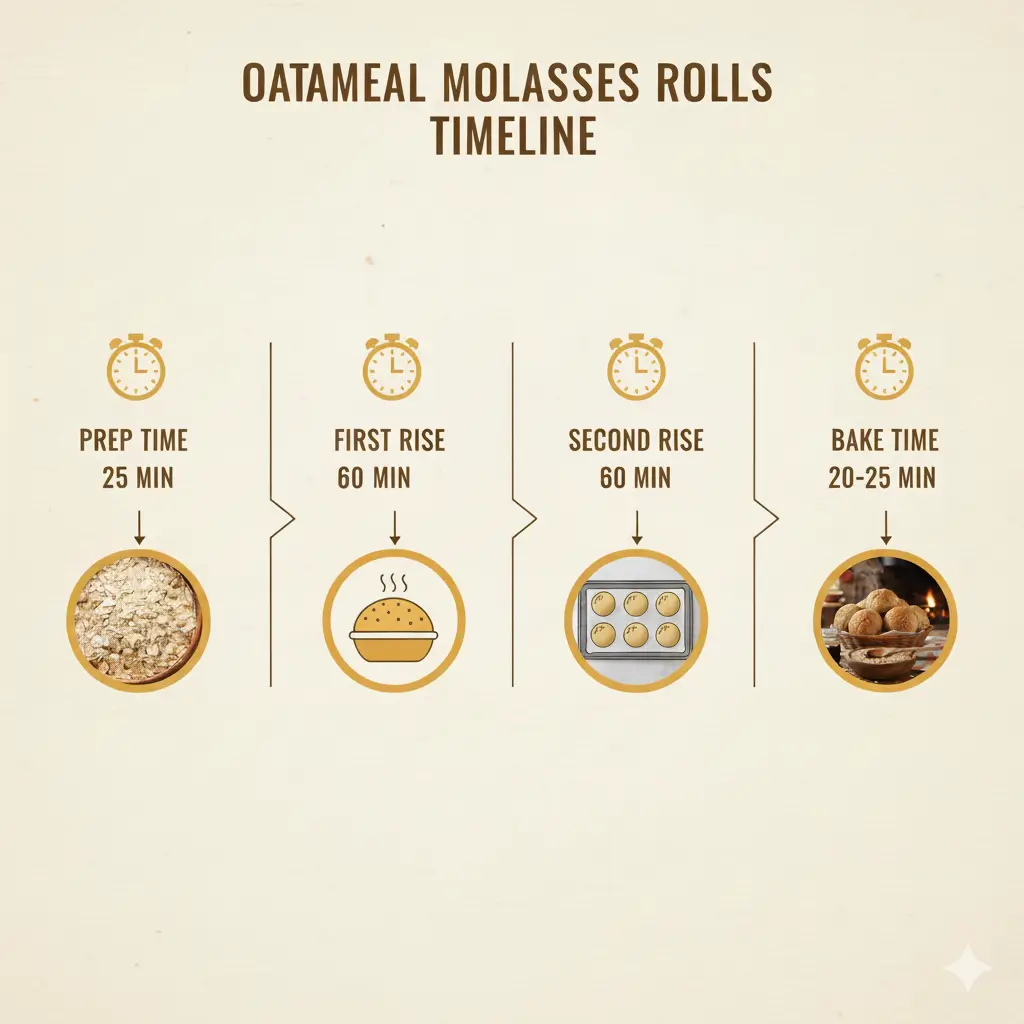
| Stage | Time Required | Notes |
|---|---|---|
| Prep Time | 25 minutes | Time needed to prepare the dough and ingredients. |
| Rise Time | 90 minutes (two rises) | Yeast needs two rises to properly aerate the dough. |
| Baking Time | 20–25 minutes | Bake until golden brown and fully cooked inside. |
| Total Time | Approximately 2 hours 20 minutes | This timeline is roughly 15% faster than traditional yeast roll recipes. Dough can be refrigerated overnight after the first rise, reducing active day-of preparation to under an hour. |
Step-by-Step Instructions
Step 1: Bloom the Oats
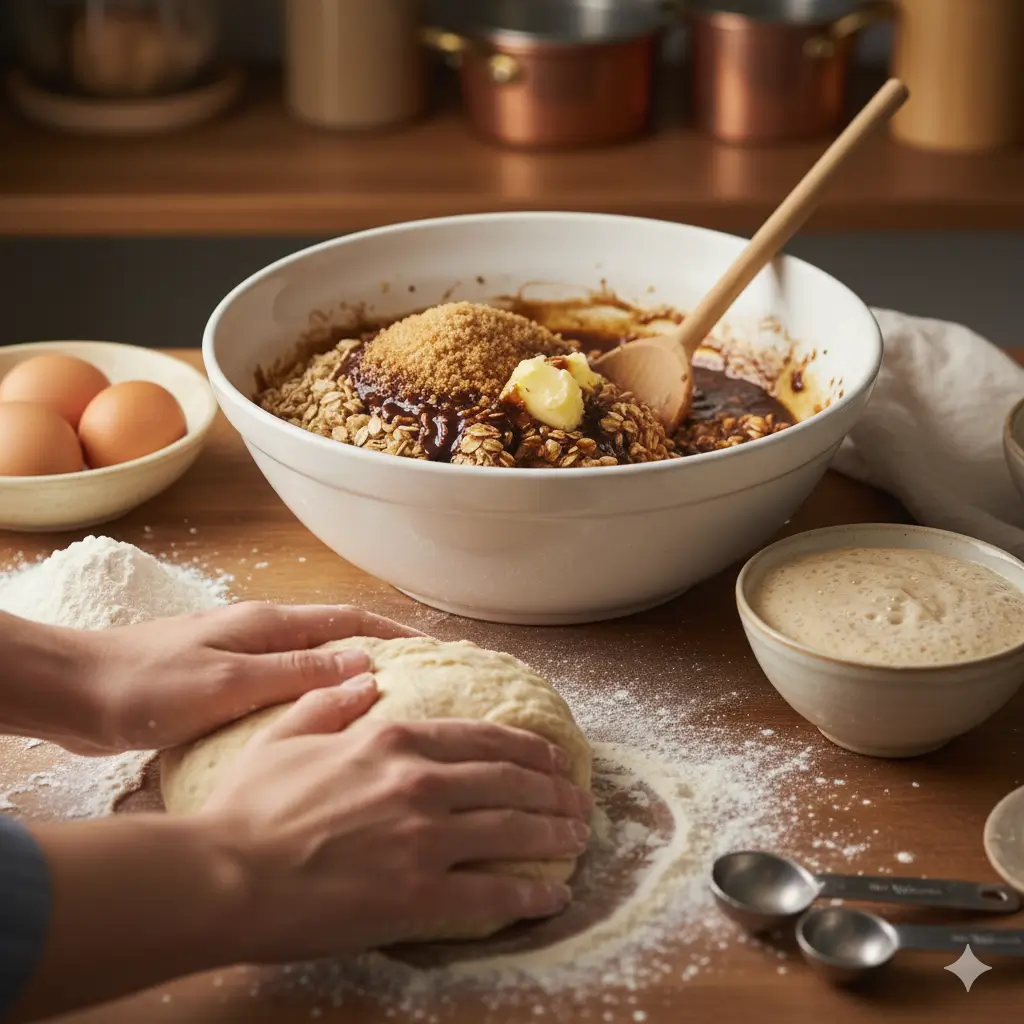
Pour boiling water over the rolled oats in a large mixing bowl. Stir in butter, molasses, brown sugar, and salt. The heat softens the oats and melts the butter simultaneously, creating a fragrant base. Allow this mixture to cool to lukewarm (about 110°F), which typically takes 15-20 minutes. Tip: Test with your finger—it should feel warm but comfortable, like bathwater.
Step 2: Activate the Yeast
While the oat mixture cools, dissolve yeast in ¼ cup warm water. Let it sit for 5-10 minutes until foamy and bubbly. This proofing step confirms your yeast is alive and ready to work. If no foam appears after 10 minutes, your yeast may be expired—start fresh to avoid dense rolls.
Step 3: Combine Wet Ingredients
Once the oat mixture has cooled sufficiently, stir in the activated yeast and beaten egg. Mix thoroughly until everything is well incorporated. The mixture will look thick and slightly lumpy from the oats—this is exactly right.
Step 4: Build the Dough
Add flour one cup at a time, stirring after each addition. Start with 4 cups and add more as needed. The dough should pull away from the bowl sides while remaining slightly tacky. Pro tip: Resist adding too much flour. Wetter dough produces softer rolls, while excess flour creates dense, dry bread.
Step 5: Knead to Develop Gluten
Turn the dough onto a lightly floured surface and knead for 8-10 minutes. You’re looking for a smooth, elastic ball that springs back when poked. If using a stand mixer with a dough hook, knead on medium-low for 6-7 minutes. Proper gluten development is the foundation of fluffy yeast rolls.
Step 6: First Rise
Place the dough in a greased bowl, turning once to coat all sides. Cover with plastic wrap or a damp towel and let rise in a warm spot for 60 minutes, or until doubled in size. A turned-off oven with the light on creates an ideal proofing environment at approximately 80°F.
Step 7: Shape Your Rolls
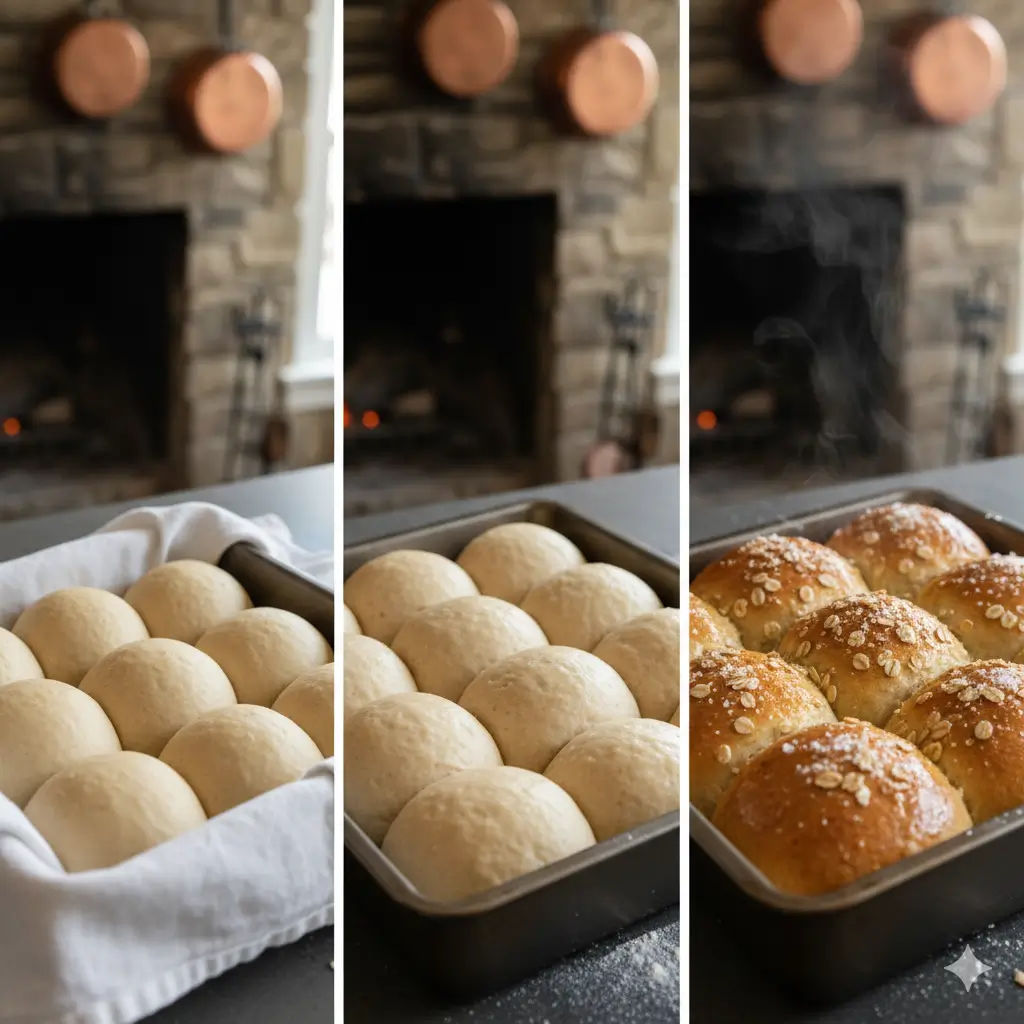
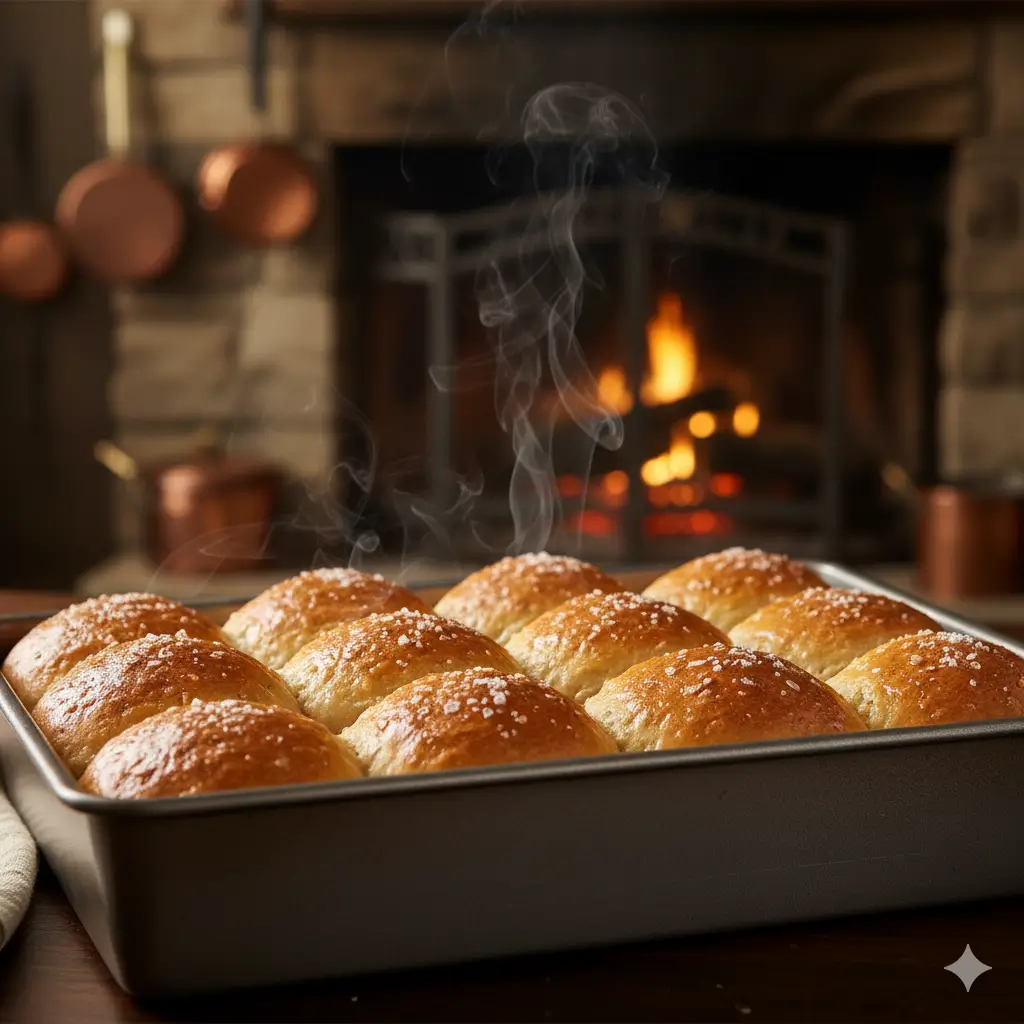
Punch down the risen dough to release air bubbles. Divide into 16 equal portions (a kitchen scale helps here—aim for about 2.5 ounces each). Shape each piece into a smooth ball by pulling the edges underneath and pinching to seal. Place rolls in a greased 9×13-inch baking pan, spacing evenly.
Step 8: Second Rise
Cover the shaped rolls loosely and let rise for 30 minutes until puffy and the rolls are touching slightly. This second proof builds the airy structure that makes these dinner rolls irresistibly soft.
Step 9: Bake to Golden Perfection
Preheat your oven to 375°F (190°C). Bake the oatmeal molasses dinner rolls for 20-25 minutes until the tops are golden brown and the internal temperature reaches 190°F. Brush immediately with melted butter and sprinkle with flaky salt or oats if desired. Allow to cool for 10 minutes before serving.
Nutritional Information
| Nutrient | Amount per Roll (1 of 16 servings) |
|---|---|
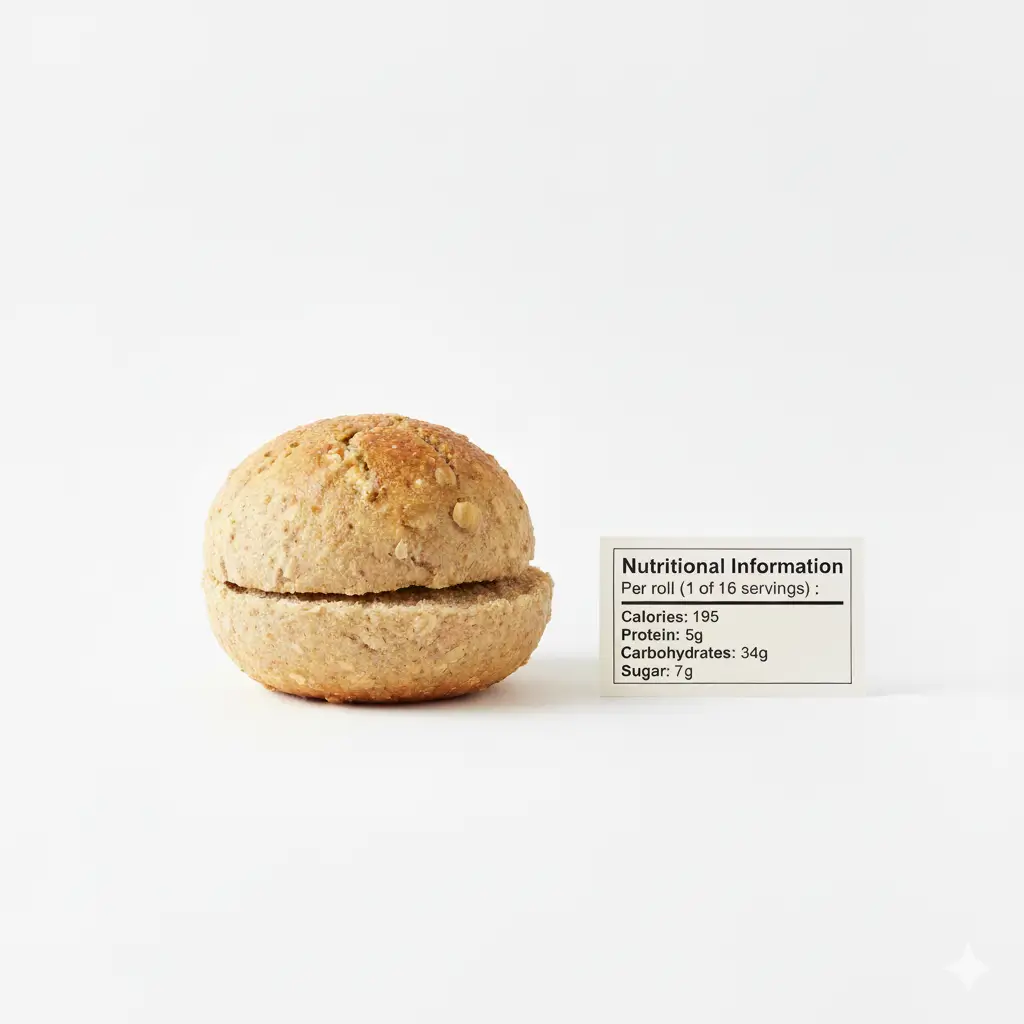
| Calories | 195 |
| Protein | 5g |
| Carbohydrates | 34g |
| Fat | 5g |
| Fiber | 2g |
| Sugar | 7g |
| Sodium | 230mg |
| Note: The oats contribute beta-glucan fiber, linked to improved cholesterol and sustained energy. Molasses provides iron, calcium, and potassium. These sweet dinner rolls offer indulgence with more nutritional value than typical white rolls. | |
Healthier Alternatives for the Recipe
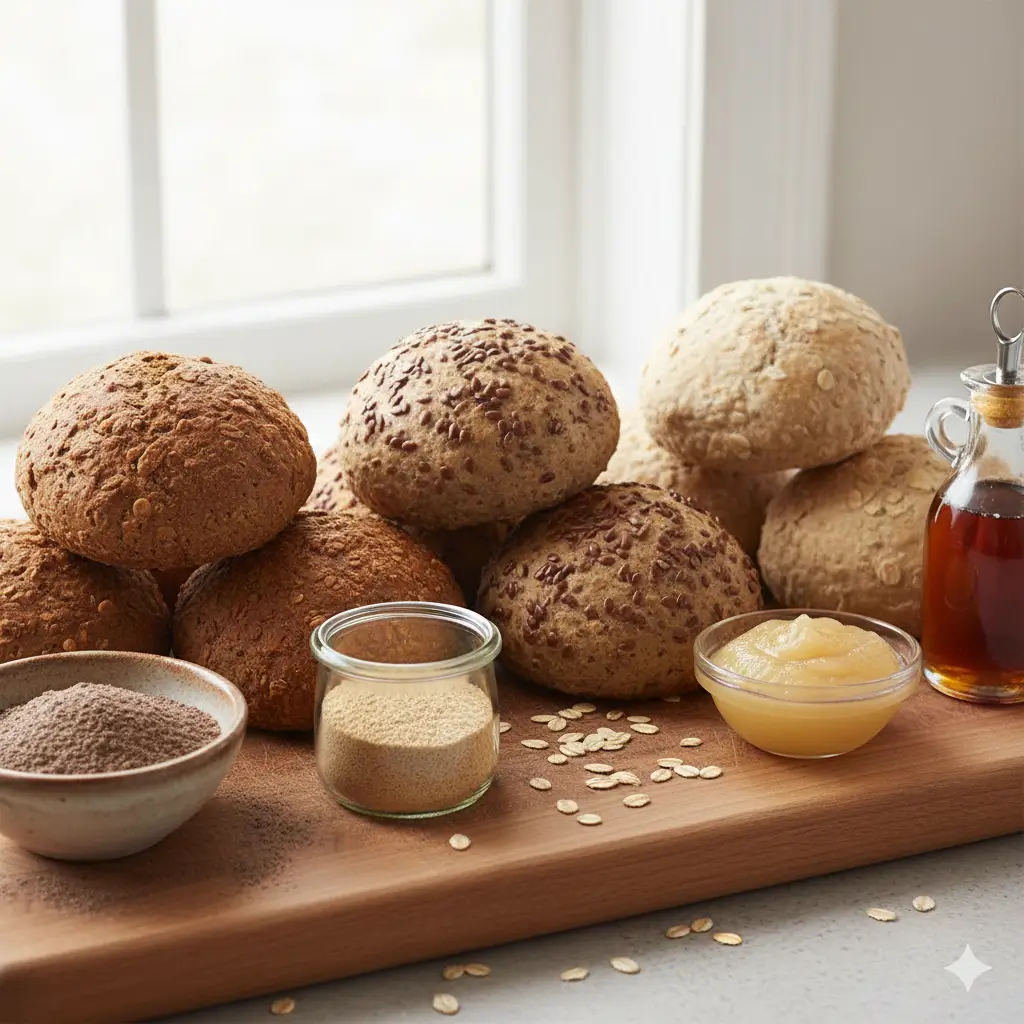
Transform these homemade oatmeal rolls into an even more nutritious option with these modifications:
| Adjustment | Tip |
|---|---|
| Boost Fiber | Use 1 cup whole wheat flour in place of all-purpose flour. |
| Reduce Sugar | Cut brown sugar to 2 tablespoons—the molasses provides adequate sweetness. |
| Add Omega-3s | Incorporate 2 tablespoons ground flaxseed into the dough. |
| Lower Fat | Use half the butter and substitute unsweetened applesauce for the remainder. |
| Increase Protein | Add ¼ cup vital wheat gluten, which also enhances rise and structure. |
| 💡 Tip: These adjustments maintain the signature soft texture while creating yeast rolls with oats that fit various dietary preferences. | |
Serving Suggestions
These versatile soft holiday rolls complement countless dishes and occasions:
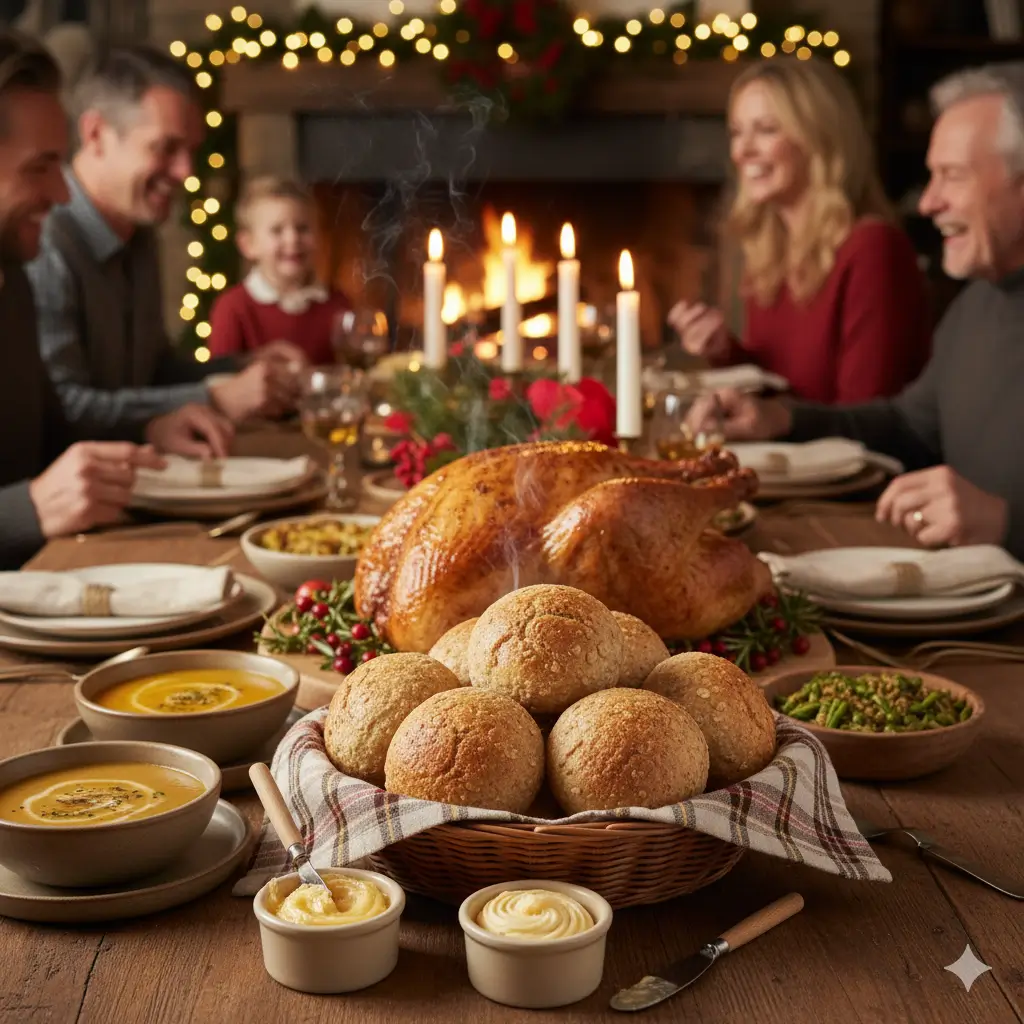
- Serve warm alongside roasted turkey, glazed ham, or prime rib for holiday dinners
- Slice horizontally and toast for exceptional breakfast sandwiches with egg and cheese
- Pair with hearty soups and stews—the slight sweetness balances savory broths beautifully
- Offer with flavored butters: honey butter, cinnamon butter, or herb-garlic compound butter
- Present on a rustic wooden board with the baking pan for family-style charm
- Use day-old rolls for French toast or bread pudding with spectacular results
The brown sugar dinner rolls’ subtle sweetness makes them equally appropriate for breakfast spreads and elegant dinner parties.
Common Mistakes to Avoid
| Mistake | Description |
|---|---|
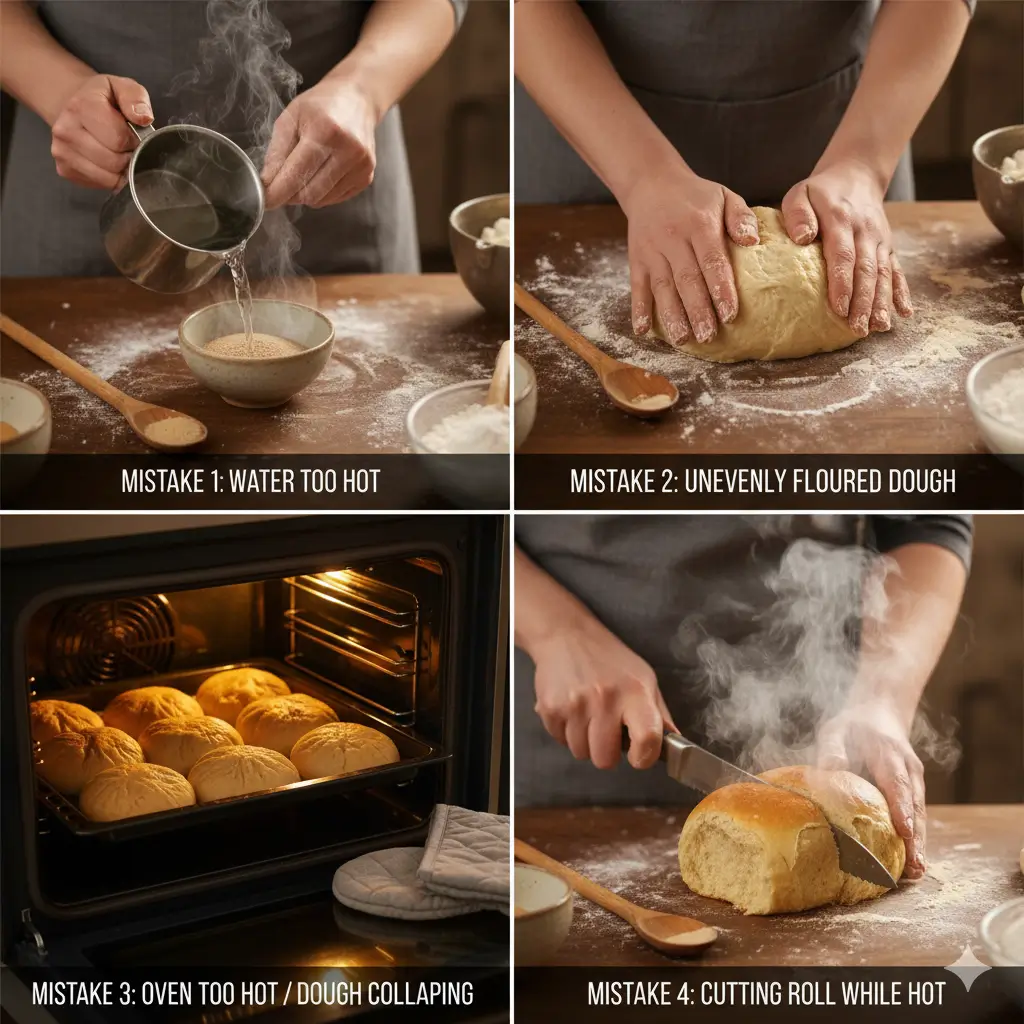
| Killing the yeast | Water above 120°F destroys yeast. Always test temperature before combining. |
| Skipping the oat-blooming step | Unbloomed oats remain chewy and create gritty texture in the final rolls. |
| Over-flouring | This produces dense, heavy rolls. Embrace slightly sticky dough for maximum softness. |
| Rushing the rise | Cold environments slow yeast activity. Ensure your proofing spot maintains 75-80°F. |
| Opening the oven early | Temperature fluctuations cause rolls to collapse. Wait until the minimum baking time before checking. |
| Cutting into hot rolls | Steam escaping prematurely creates gummy interiors. Allow the full 10-minute rest. |
Storing Tips for the Recipe
Maximize freshness and plan ahead with these storage strategies:
- Room temperature : Store in an airtight container or zip-top bag for up to 3 days. Add a paper towel to absorb excess moisture.
- Refrigeration : Not recommended—cold temperatures accelerate staling in bread products.
- Freezing baked rolls : Cool completely, wrap individually in plastic, then place in freezer bags. Freeze up to 3 months. Thaw at room temperature and warm in a 300°F oven for 5 minutes.
- Freezing unbaked dough : Shape rolls, arrange on a baking sheet, and freeze until solid. Transfer to freezer bags. When ready to bake, place frozen rolls in the pan, cover, and let rise overnight in the refrigerator. Bake as directed, adding 3-5 minutes to baking time.
- Refreshing day-old rolls : Sprinkle lightly with water and warm in a 325°F oven for 5-7 minutes to restore soft texture.
Conclusion
These Oatmeal Molasses Dinner Rolls deliver everything you want from homemade bread : a tender crumb, subtle sweetness, and that irresistible fresh-baked aroma that fills your kitchen and draws everyone to the table. With the 9 best tips guiding your process—from properly blooming oats to achieving the perfect golden crust—you now have the knowledge to create fluffy molasses bread that rivals any bakery.
The combination of wholesome oats and rich molasses sets these soft holiday rolls apart from ordinary dinner bread, offering depth of flavor and superior texture that store-bought options simply cannot match. Whether gracing your Thanksgiving spread or elevating a weeknight meal, this homemade rolls recipe deserves a permanent spot in your baking rotation.
Try this recipe for your next gathering, share your results in the comments below, and explore our collection of holiday bread recipes to continue building your repertoire of impressive homemade creations.
FAQs
Can I use quick oats instead of old-fashioned rolled oats?
- Quick oats will work but produce a slightly different texture. Old-fashioned oats provide more structure and a pleasant chewiness in the finished rolls. If using quick oats, reduce the amount to ¾ cup.
Why did my oatmeal molasses dinner rolls turn out dense?
- Dense rolls typically result from too much flour, insufficiently proofed yeast, or inadequate rising time. Ensure your yeast foams during proofing and allow full rise times even if it takes longer than specified in cooler kitchens.
Can I make these rolls without a stand mixer?
- Absolutely. Hand-kneading works beautifully and takes only 8-10 minutes. The dough is forgiving and develops excellent texture with manual kneading.
What type of molasses should I use?
- Mild or regular molasses produces a subtle, crowd-pleasing sweetness. Blackstrap molasses offers more intense flavor and additional minerals but can taste slightly bitter. Avoid using sulfured molasses if possible.
How far in advance can I prepare these rolls?
- You can refrigerate the dough after the first rise for up to 24 hours. Alternatively, freeze shaped unbaked rolls for up to one month. Both methods make these ideal for holiday meal planning.
Can I make smaller or larger rolls from this recipe?
- Yes. Divide the dough into 24 pieces for dinner-party-sized rolls (reduce baking time by 3-4 minutes) or 12 pieces for sandwich-sized rolls (increase baking time by 5-7 minutes). Adjust accordingly and watch for golden color.
Your Feedback Helps Us Grow!
There are no reviews yet. Be the first one to write one.