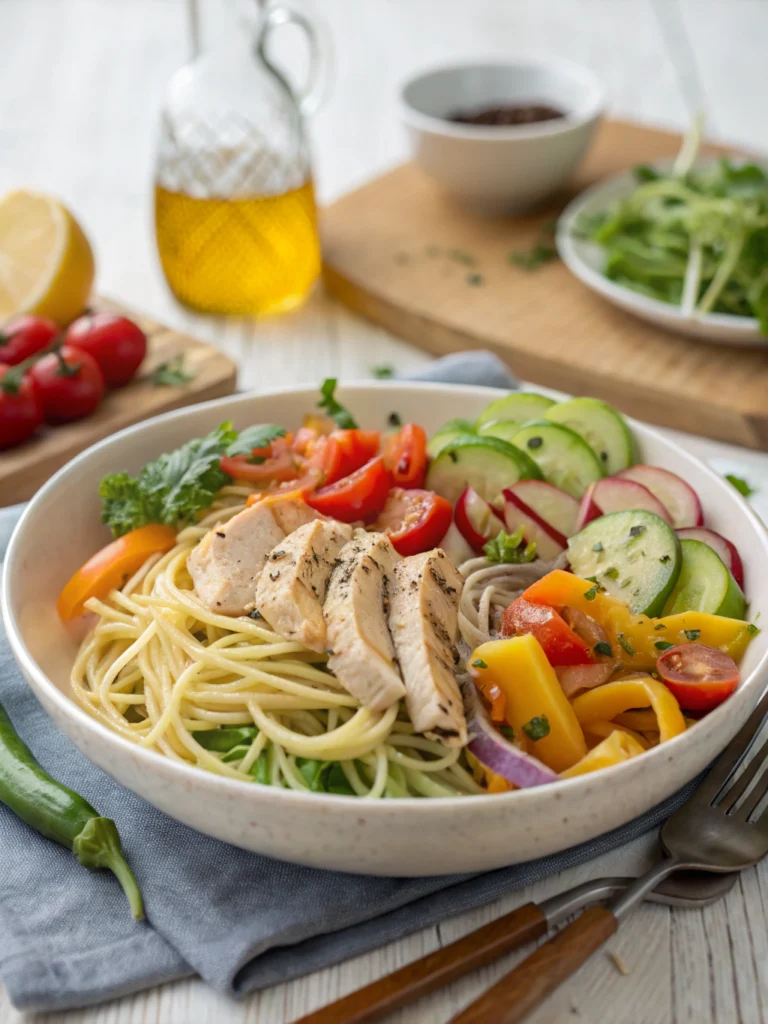
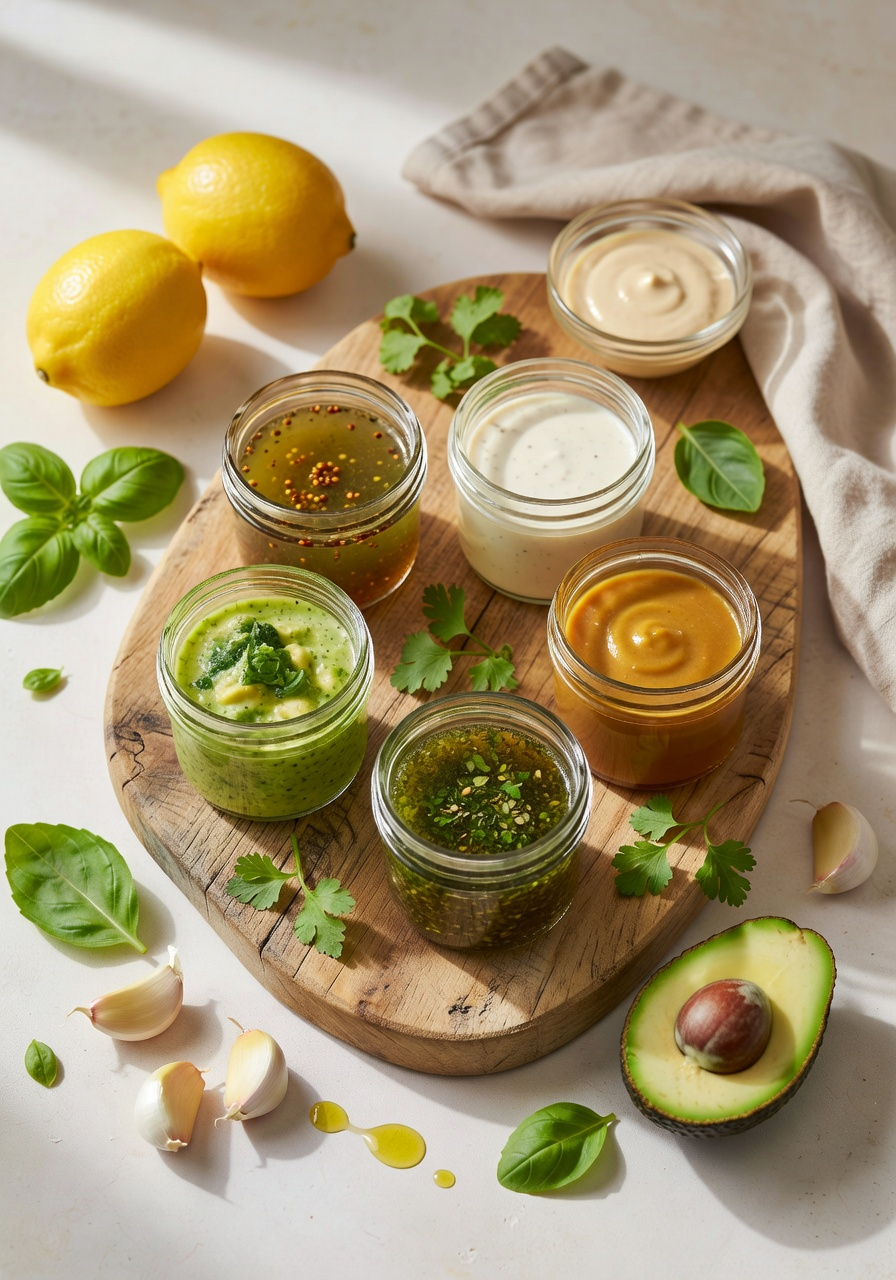
Homemade salad dressing : 5 Simple Recipes to Elevate Your Salads
Table of Contents
Why Homemade Salad Dressing Deserves a Spot in Your Kitchen
Did you know that the average store-bought salad dressing contains up to 12 artificial additives, including preservatives, high-fructose corn syrup, and artificial colors? According to a 2023 consumer health report, nearly 68% of bottled dressings exceed recommended sodium levels per serving. That’s a startling reality for anyone trying to eat healthier. The good news? Making homemade salad dressing is remarkably simple, cost-effective, and infinitely more flavorful than anything you’ll find on a grocery store shelf.
Whether you’re a meal-prep enthusiast, a health-conscious eater, or simply someone who appreciates fresh, vibrant flavors, these five easy homemade salad dressing recipes will transform your salads from ordinary to extraordinary. Each recipe uses whole, recognizable ingredients, takes just minutes to prepare, and can be customized to suit your taste preferences. Let’s dive in and discover how a few pantry staples can revolutionize your meals.
Ingredients List for 5 Homemade Salad Dressing Recipes
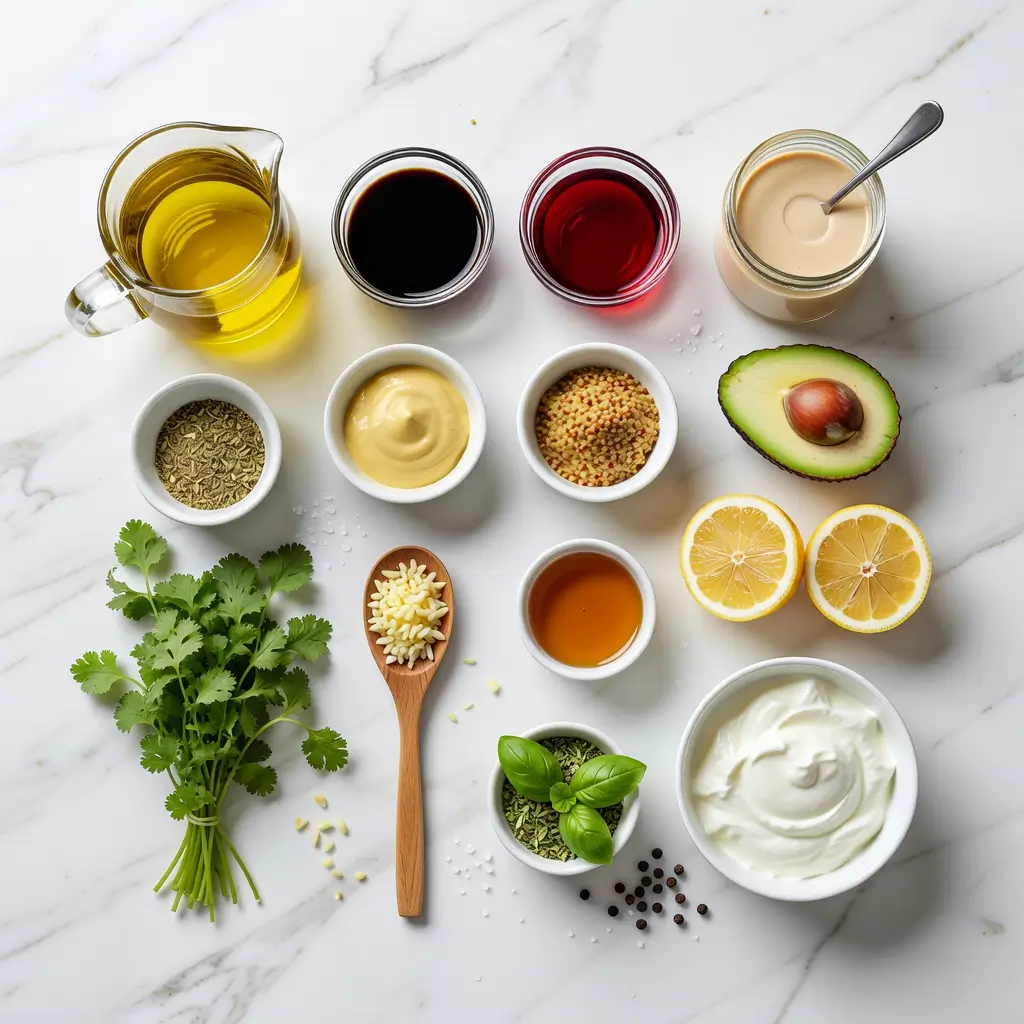
Below are the ingredients for each of the five dressings. Feel free to mix, match, and substitute based on what you have on hand.
1. Classic Balsamic Vinaigrette
- ¼ cup balsamic vinegar (swap with red wine vinegar for a lighter tang)
- ½ cup extra virgin olive oil
- 1 tablespoon Dijon mustard
- 1 clove garlic, minced
- 1 teaspoon honey or maple syrup
- Salt and freshly cracked black pepper to taste
2. Creamy Lemon Tahini Dressing
- ¼ cup tahini (almond butter works as a substitute)
- 3 tablespoons fresh lemon juice
- 2 tablespoons warm water
- 1 tablespoon olive oil
- 1 small clove garlic, minced
- Pinch of cumin and salt
3. Honey Mustard Dressing
- 3 tablespoons whole-grain mustard
- 2 tablespoons raw honey (agave for a vegan option)
- 2 tablespoons apple cider vinegar
- ¼ cup olive oil
- Salt and pepper to taste
4. Zesty Italian Herb Dressing
- ¼ cup red wine vinegar
- ½ cup extra virgin olive oil
- 1 teaspoon dried oregano
- 1 teaspoon dried basil
- ½ teaspoon garlic powder
- ½ teaspoon onion powder
- Pinch of red pepper flakes
- Salt and pepper to taste
5. Creamy Avocado Cilantro Dressing
- 1 ripe avocado
- ¼ cup plain Greek yogurt (use coconut yogurt for dairy-free)
- Juice of 1 lime
- ¼ cup fresh cilantro, loosely packed
- 2 tablespoons water
- 1 small clove garlic
- Salt to taste
Each ingredient list emphasizes fresh, aromatic components — from the peppery bite of Dijon mustard to the velvety richness of ripe avocado. These are dressings you can smell and taste before they even touch your salad.
Timing : How Long Does Homemade Salad Dressing Take?
How Long Does Homemade Salad Dressing Take?
One of the greatest advantages of making your own dressing is speed.
Here’s a quick breakdown of prep and total times for each recipe:
| Dressing | Prep Time | Total Time |
|---|---|---|
| 🫒 Classic Balsamic Vinaigrette | 3 min | 3 min |
| 🍋 Creamy Lemon Tahini | 5 min | 5 min |
| 🍯 Honey Mustard | 3 min | 3 min |
| 🌿 Zesty Italian Herb | 4 min | 4 min |
| 🥑 Creamy Avocado Cilantro | 5 min | 5 min |
On average, each easy homemade salad dressing takes just 3–5 minutes to prepare — that’s roughly 75% faster than driving to the store to buy a bottle. No cooking required. No special equipment needed beyond a whisk or a blender.
Step-by-Step Instructions
Step 1: Gather and Measure Your Ingredients
Before you begin, pull out all the ingredients for your chosen dressing. Accurate measurements matter, especially for vinaigrettes where the oil-to-acid ratio determines the balance of flavor. A good rule of thumb is a 3:1 ratio of oil to vinegar for a smooth, well-rounded taste.
- Pro Tip : Let refrigerated ingredients like tahini, yogurt, and lemon juice come to room temperature. This helps them emulsify more easily and creates a silkier texture.
Step 2 : Combine the Base Ingredients
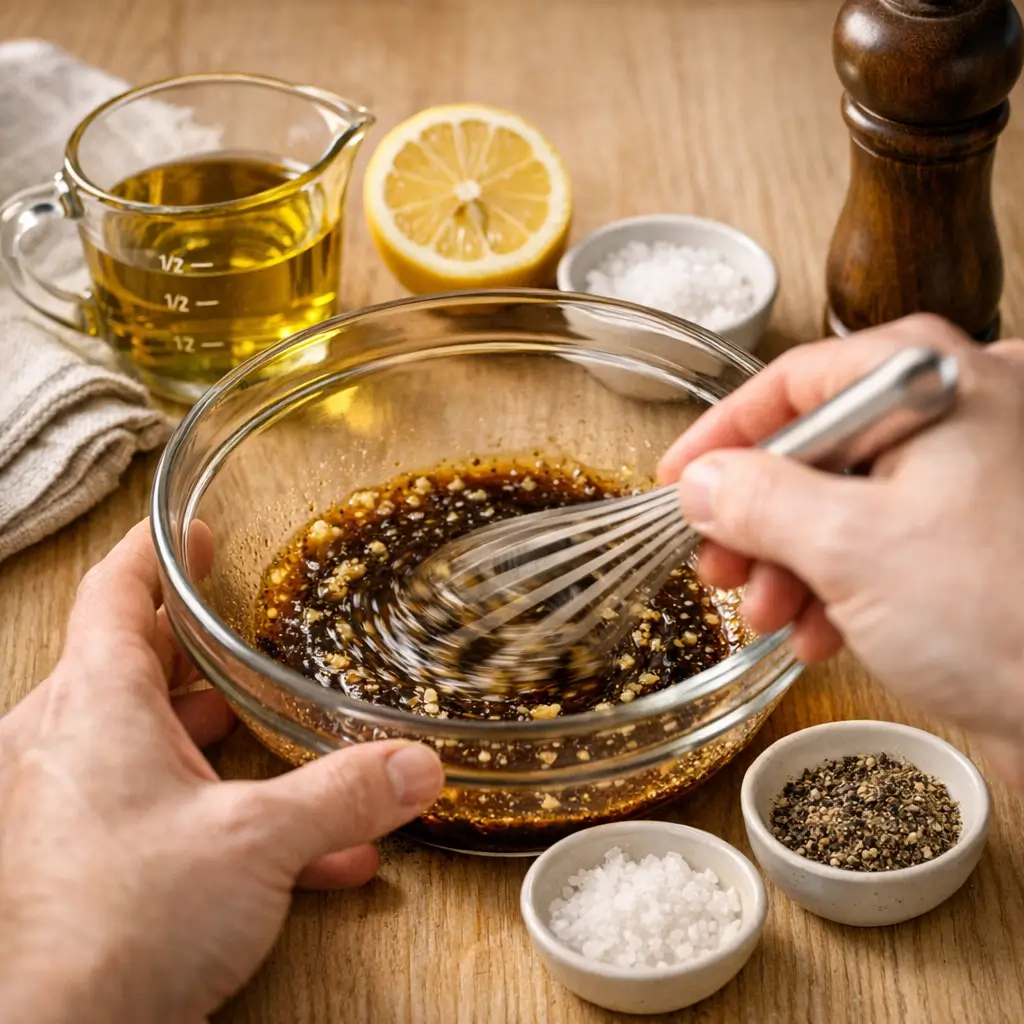
For vinaigrettes (Balsamic, Honey Mustard, Italian Herb), start by whisking together the vinegar, mustard, garlic, and seasonings in a medium bowl. This allows the flavors to meld before introducing the oil.
For creamy dressings (Lemon Tahini, Avocado Cilantro), add all base ingredients to a blender or food processor. Blend on medium speed until completely smooth, scraping down the sides as needed.
Step 3 : Slowly Incorporate the Oil
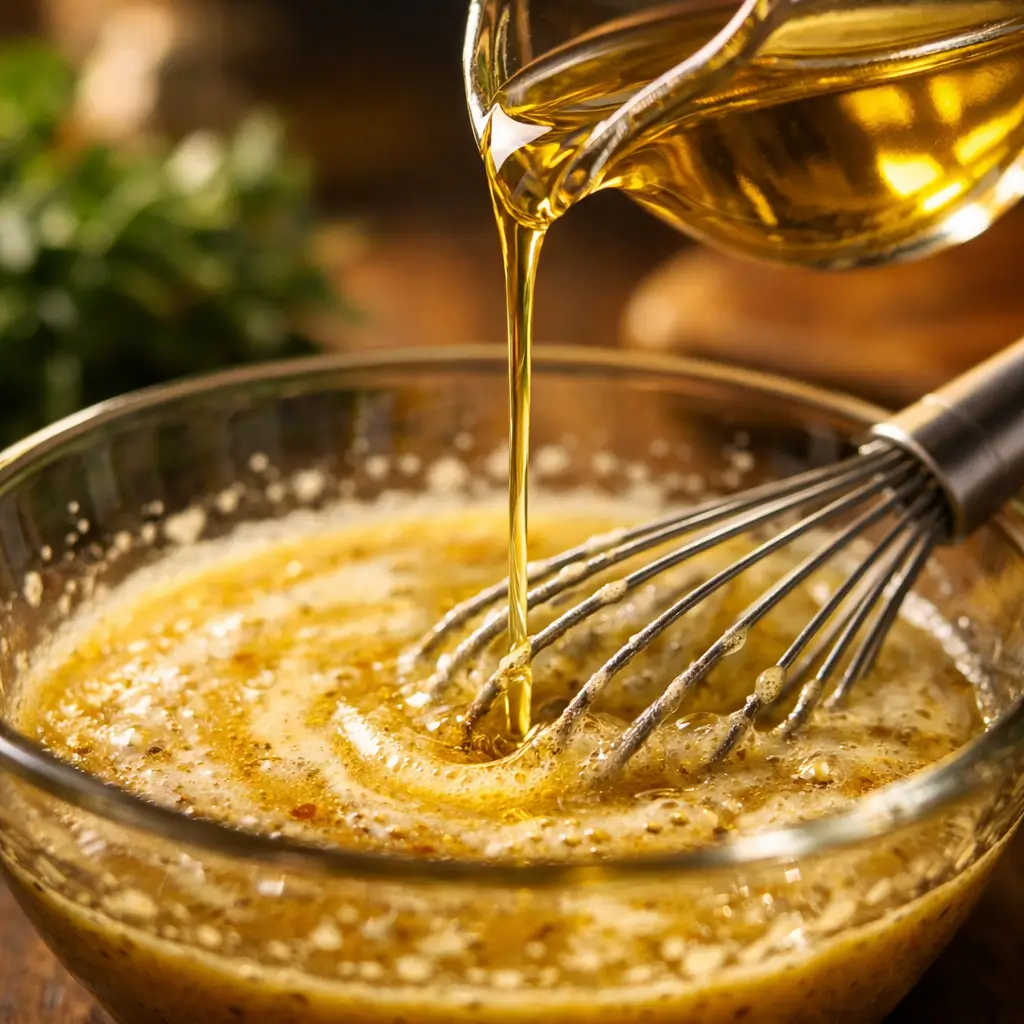
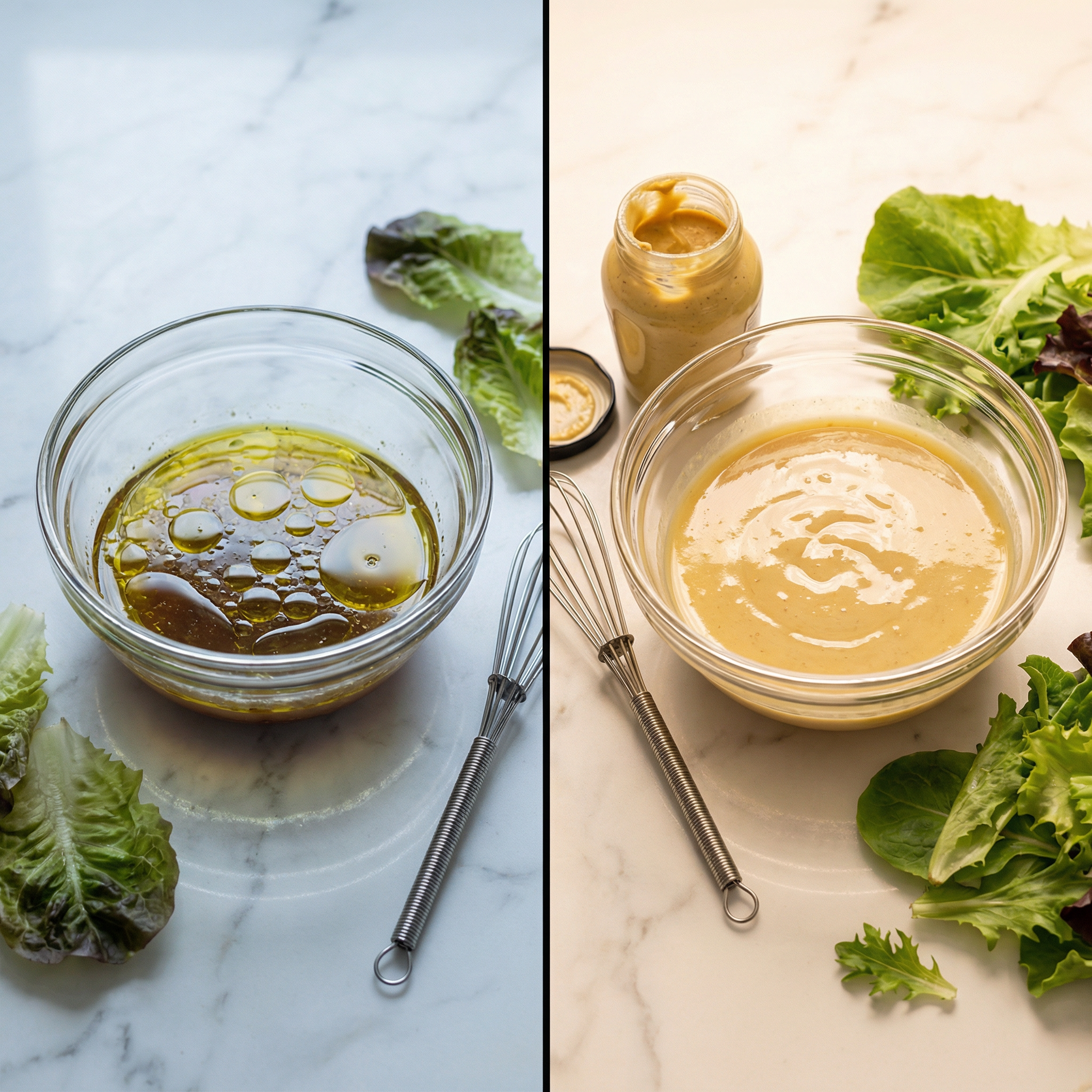
This step is crucial for vinaigrettes. Drizzle the olive oil in a slow, steady stream while whisking vigorously. This technique creates an emulsion — a creamy, cohesive dressing that won’t separate immediately. If you rush this step, you’ll end up with an oily, broken dressing.
- Pro Tip : Using Dijon mustard isn’t just for flavor — it acts as a natural emulsifier, binding oil and vinegar together for a smoother consistency.
Step 4 : Adjust Seasoning and Consistency
Taste your dressing. This is where you make it yours. Too tangy? Add a touch more honey. Too thick? Whisk in a teaspoon of warm water. Need more depth? A pinch of smoked paprika or a dash of soy sauce can add surprising complexity.
For creamy dressings, adjust the water one tablespoon at a time until you reach your desired drizzle-able or dip-able consistency.
Step 5 : Transfer, Store, and Serve
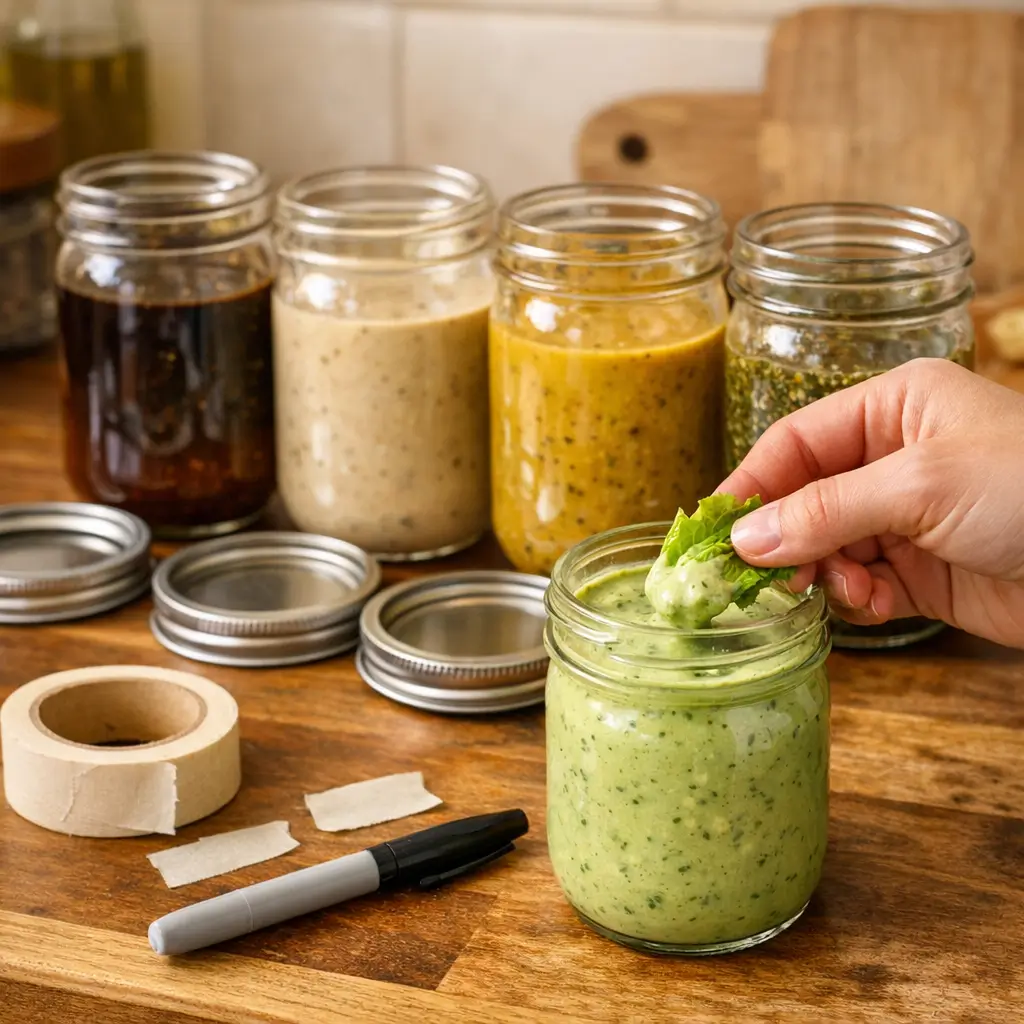
Pour your finished fresh salad dressing into a clean glass jar with a tight-fitting lid. Glass is preferred over plastic because it doesn’t absorb odors or stain. Give the jar a good shake before each use, and your dressing is ready to pour.
Nutritional Information
Nutritional Information
Approximate nutritional breakdown per 2-tablespoon serving
| Dressing | Calories | Fat | Carbs | Protein | Sodium |
|---|---|---|---|---|---|
| 🫒 Balsamic Vinaigrette | 120 | 13g | 2g | 0g | 75mg |
| 🍋 Lemon Tahini | 80 | 7g | 3g | 2g | 60mg |
| 🍯 Honey Mustard | 100 | 9g | 5g | 0g | 85mg |
| 🌿 Italian Herb | 115 | 13g | 1g | 0g | 70mg |
| 🥑 Avocado Cilantro | 55 | 4g | 3g | 1g | 50mg |
Compared to store-bought equivalents, these best homemade salad dressing recipes contain an average of 40% less sodium and zero artificial preservatives.
The Avocado Cilantro Dressing stands out as the lowest-calorie option, delivering heart-healthy monounsaturated fats from avocado.
Healthier Alternatives for Your Homemade Dressing
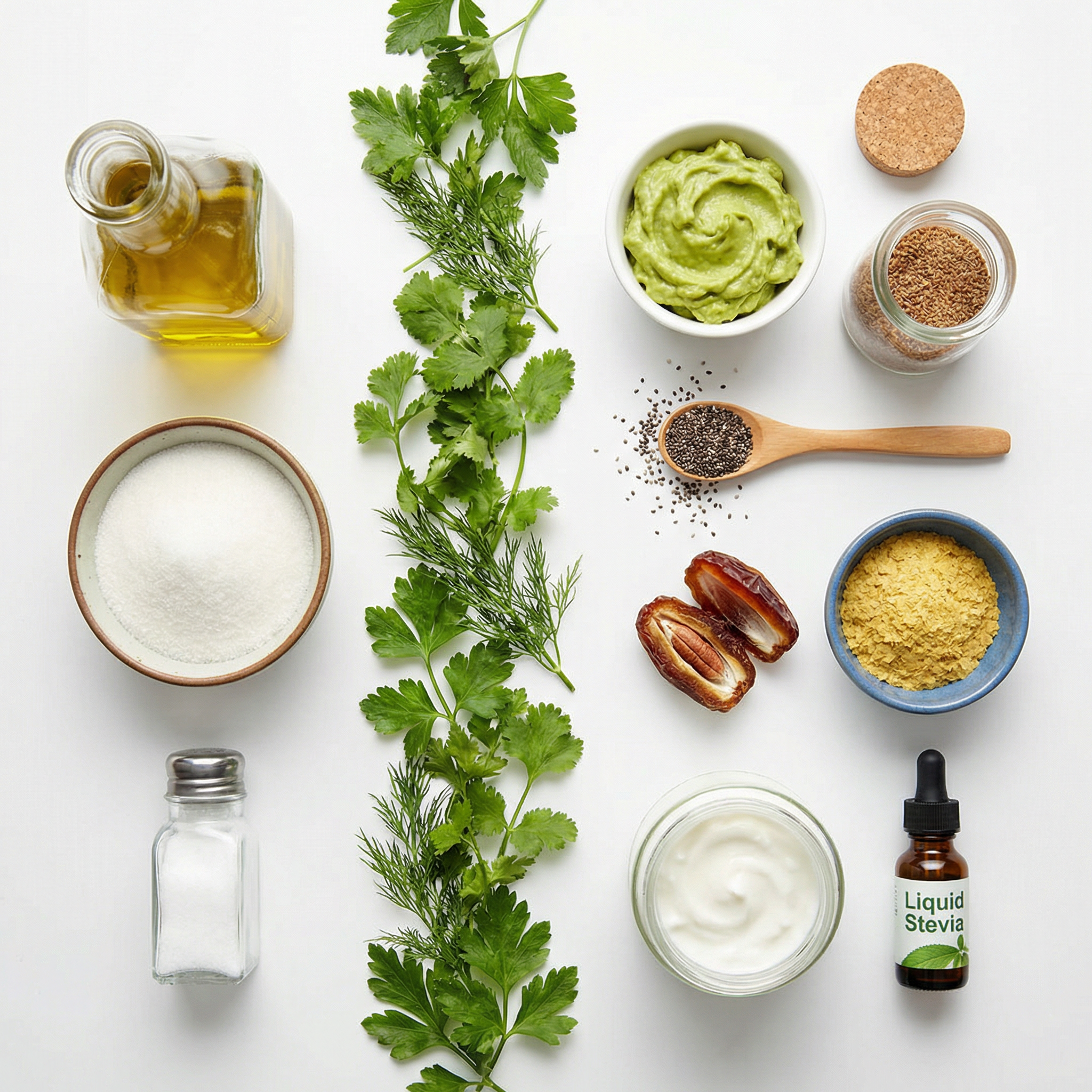
Making your dressing at home already puts you ahead, but you can push the nutritional envelope even further :
- Reduce oil : Replace half the olive oil with unsweetened applesauce or mashed avocado for fewer calories without sacrificing creaminess.
- Go sugar-free : Swap honey with a few drops of liquid stevia or a mashed ripe date for natural sweetness.
- Boost nutrition : Stir in a teaspoon of ground flaxseed, chia seeds, or nutritional yeast for added fiber, omega-3s, or B vitamins.
- Dairy-free creamy options : Use cashew cream, silken tofu, or coconut yogurt in place of Greek yogurt for a healthy homemade salad dressing that’s entirely plant-based.
- Low-sodium version : Skip added salt entirely and rely on garlic, herbs, citrus zest, and mustard for flavor depth.
Serving Suggestions
Serving Suggestions
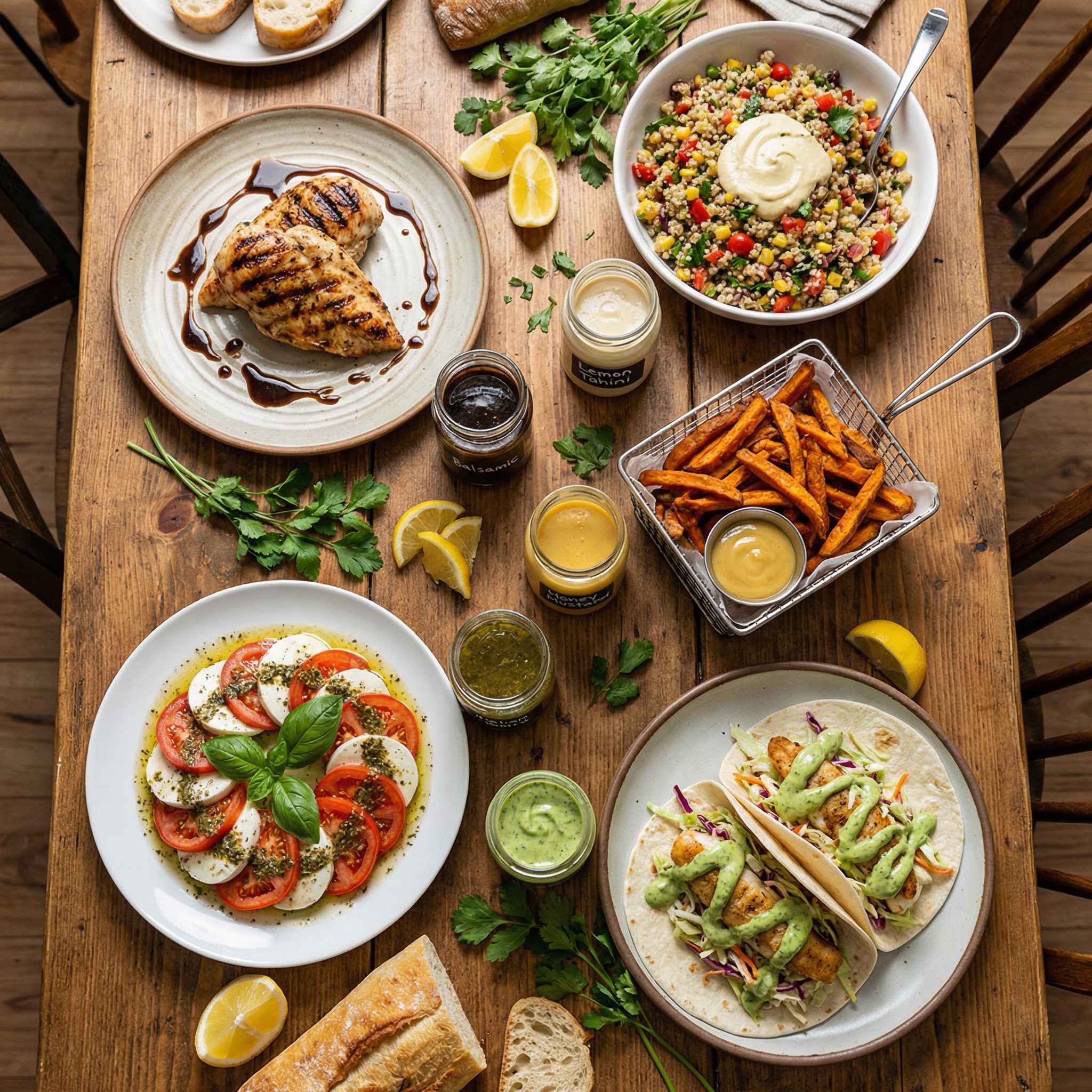
These dressings are far more versatile than their name suggests. Here are creative ways to use them beyond a simple salad:
Balsamic Vinaigrette
- Drizzle over roasted vegetables
- Use as a marinade for grilled chicken
- Brush onto bruschetta
Lemon Tahini
- Spoon over grain bowls
- Toss with roasted cauliflower
- Use as a dip for fresh crudités
Honey Mustard
- Pair with a crispy chicken salad
- Use as a dipping sauce for sweet potato fries
- Spread on sandwiches and wraps
Italian Herb
- Marinate mozzarella and tomatoes for a caprese
- Toss with cold pasta salad
- Drizzle over flatbread pizza
Avocado Cilantro
- Perfect for taco salads
- Drizzled over black bean bowls
- As a creamy topping for fish tacos
Common Mistakes to Avoid
Common Mistakes to Avoid
Even simple recipes have pitfalls. Here’s what to watch for:
- 1
Adding Oil Too Fast
Pouring oil all at once instead of drizzling it slowly is the number-one reason vinaigrettes break and turn greasy. ✅ Fix: Drizzle in a slow, steady stream while whisking constantly.
- 2
Skipping the Taste Test
Dressings need balance. Always taste before bottling and adjust acid, sweetness, and salt accordingly. ✅ Fix: Sample with a leaf of lettuce to gauge true flavor on greens.
- 3
Using Stale Spices
Dried herbs lose potency after about six months. If your oregano smells like dust, it’s time for a fresh jar. ✅ Fix: Rub herbs between your fingers — if there’s no aroma, replace them.
- 4
Over-Blending Creamy Dressings
Blending avocado-based dressings too long can introduce excess air, making the dressing foamy rather than creamy. ✅ Fix: Pulse in short bursts until just smooth.
- 5
Ignoring Emulsifiers
A dab of mustard or a spoonful of tahini goes a long way in keeping your dressing cohesive and smooth. ✅ Fix: Always include at least one emulsifier in vinaigrette-style dressings.
Storing Tips for Homemade Salad Dressing
Storing Tips for Homemade Salad Dressing
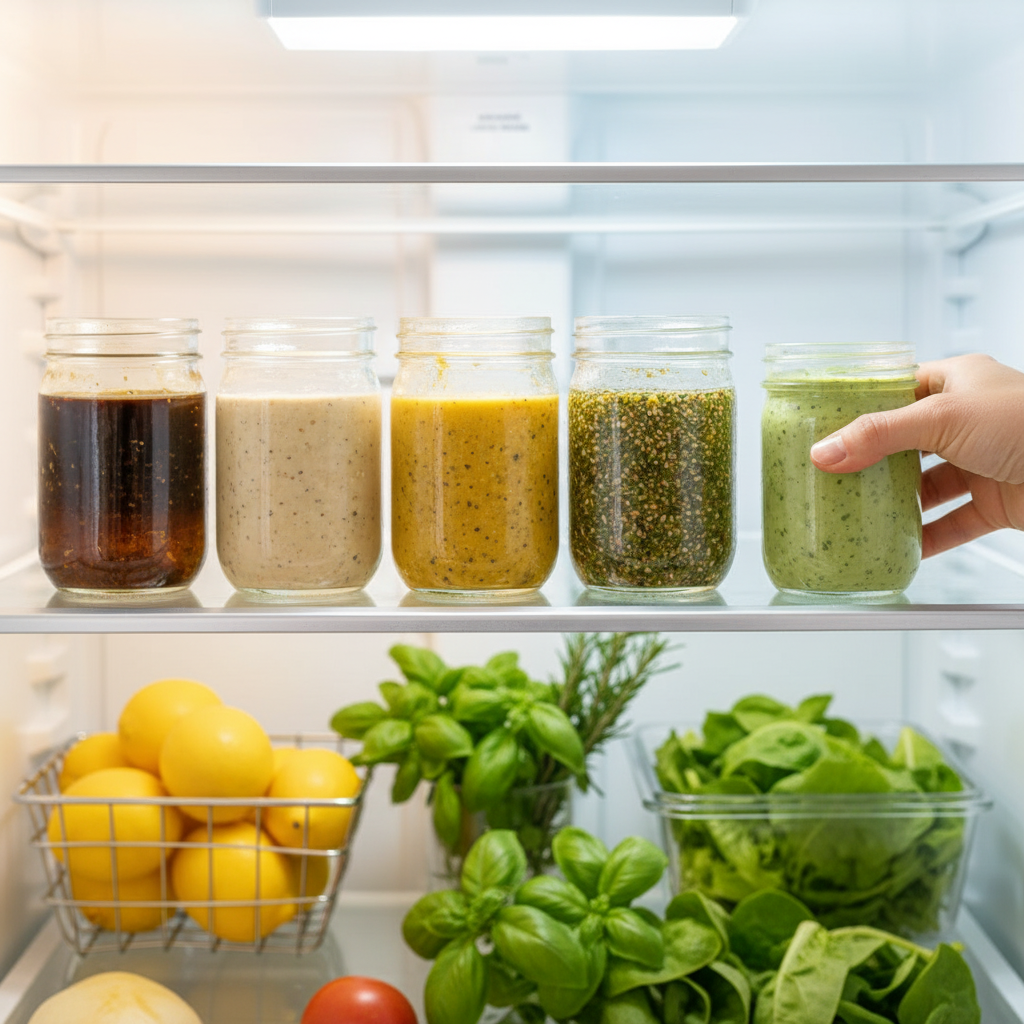
Proper storage ensures your homemade salad dressing recipes stay fresh and flavorful.
Vinaigrettes Shelf Life
Balsamic, Honey Mustard & Italian Herb last up to 2 weeks in the refrigerator stored in a sealed glass jar. Shake well before each use, as natural separation is normal.
Creamy Dressings Shelf Life
Lemon Tahini & Avocado Cilantro are best consumed within 3–5 days due to the fresh produce and dairy components.
Avoid Freezing
Caution Emulsified dressings don’t freeze well — they tend to separate and lose their texture upon thawing. Always store in the refrigerator instead.
Label Your Jars
Mark each jar with the date of preparation so you always know how fresh your dressing is. A small piece of masking tape and a marker works perfectly.
Keep It Cold
Always refrigerate immediately after making. Leaving dressing at room temperature accelerates spoilage and can compromise both flavor and food safety. Return jars to the fridge promptly after serving.
Quick Reference: Vinaigrettes keep for up to 2 weeks, creamy dressings for 3–5 days. Always store in sealed glass jars, refrigerate immediately, and label with the preparation date for optimal freshness.
Ready to Ditch the Bottle ?
Making homemade salad dressing is one of the simplest upgrades you can make in your kitchen. It’s faster than you think, healthier than anything store-bought, and endlessly customizable. Whether you’re drawn to the bold tang of balsamic vinaigrette or the creamy richness of avocado cilantro, these five recipes prove that great dressing doesn’t require a long ingredients list or complicated techniques.
Pick one recipe to start with tonight. Taste the difference fresh ingredients make. Once you do, there’s no going back to the bottle.
Loved these recipes ? Share your favorite dressing in the comments below, pin this post for later, and explore our other quick and healthy recipe guides to keep your kitchen inspired.
Recipe Card
Homemade Salad Dressing — 5 Ways
Fresh, vibrant & ready in minutes
| Difficulty | ✔ Easy |
| Category | Condiments, Sauces, Salad Dressing |
| Serving Size | 2 tablespoons per serving |
| Storage | 3–14 days refrigerated in a sealed glass jar |
- Measure and prepare all ingredients. Gather everything before you start for a smooth workflow.
- Whisk or blend base ingredients together. Combine vinegar, seasonings & aromatics first.
- Slowly incorporate oil (for vinaigrettes) or blend until smooth (for creamy dressings). Drizzle oil in a steady stream for proper emulsion.
- Taste and adjust seasoning. Balance acidity, sweetness & salt to your preference.
- Transfer to a glass jar, seal, and refrigerate. Label with the date for easy freshness tracking.
💡 Pro Tip: Shake vinaigrettes well before each use. Creamy dressings taste best within 3–5 days. Always store in sealed glass jars for maximum freshness!
Frequently Asked Questions
How long does homemade salad dressing last in the fridge ?
- Vinaigrette-style dressings last up to two weeks when stored in a sealed glass container. Creamy dressings made with avocado, yogurt, or tahini are best used within three to five days for optimal freshness.
Can I make homemade salad dressing without oil ?
- Absolutely. You can replace oil with mashed avocado, unsweetened applesauce, or blended silken tofu to achieve creaminess without added oil. The flavor profile will shift slightly, but the result is still delicious.
What’s the best container for storing homemade dressing ?
- Glass mason jars with tight-fitting lids are ideal. They don’t absorb odors, are easy to clean, and allow you to shake the dressing before each use. Avoid plastic containers, which can stain and retain flavors.
Is homemade salad dressing healthier than store-bought ?
- In most cases, yes. Homemade versions eliminate artificial preservatives, excess sodium, added sugars, and hydrogenated oils commonly found in commercial dressings. You control every ingredient, making it easy to align with your dietary goals.
Can I double or triple these recipes for meal prep ?
- Definitely. These recipes scale easily. Simply multiply the ingredient quantities and store the extra dressing in separate jars. This is especially practical for vinaigrettes, which have a longer shelf life.
Why does my vinaigrette keep separating ?
- Separation is natural since oil and vinegar don’t mix permanently. Adding an emulsifier like Dijon mustard, honey, or tahini and whisking vigorously helps create a more stable emulsion. A quick shake before serving solves the issue every time.
Your Feedback Helps Us Grow!
There are no reviews yet. Be the first one to write one.