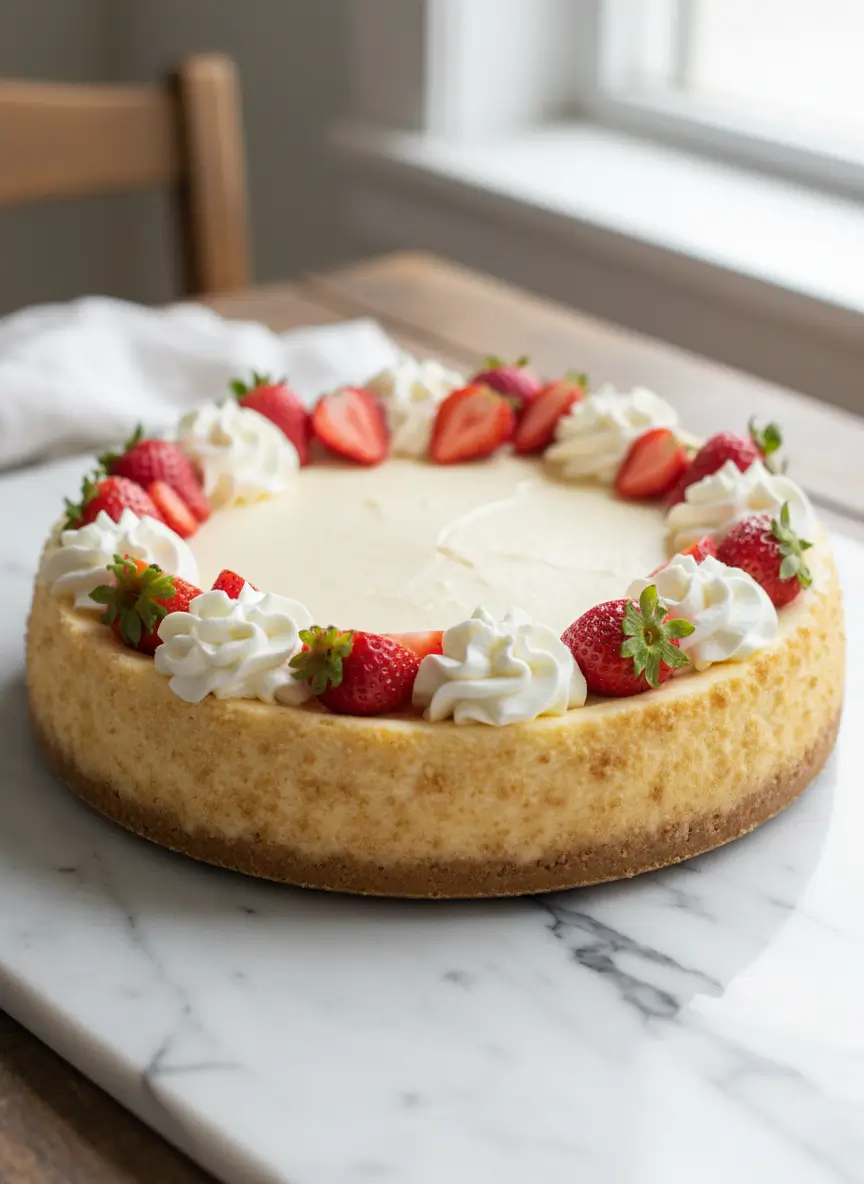
Cheesecake Recipe: 5 Simple Steps to a Perfect Creamy Slice
Table of Contents
Introduction
Did you know that cheesecake consistently ranks among the top 5 most searched dessert recipes worldwide, with over 2.7 million monthly searches on Google alone? Yet, despite its popularity, nearly 60% of home bakers admit they have never attempted to make a cheesecake from scratch, mostly out of fear of cracks, wrong textures, or complicated techniques. What if we told you that the perfect cheesecake is actually one of the most forgiving desserts you can make at home?
Whether you are a first-time baker or a seasoned home cook looking to refine your technique, this cheesecake recipe easy guide will walk you through every single step with confidence-building clarity. From a buttery, golden crust to a silky-smooth creamy cheesecake filling , this post has everything you need to nail it on your very first try. The secret is not talent. It is knowing the right steps, in the right order, with the right tips alongside you.
Ingredients List
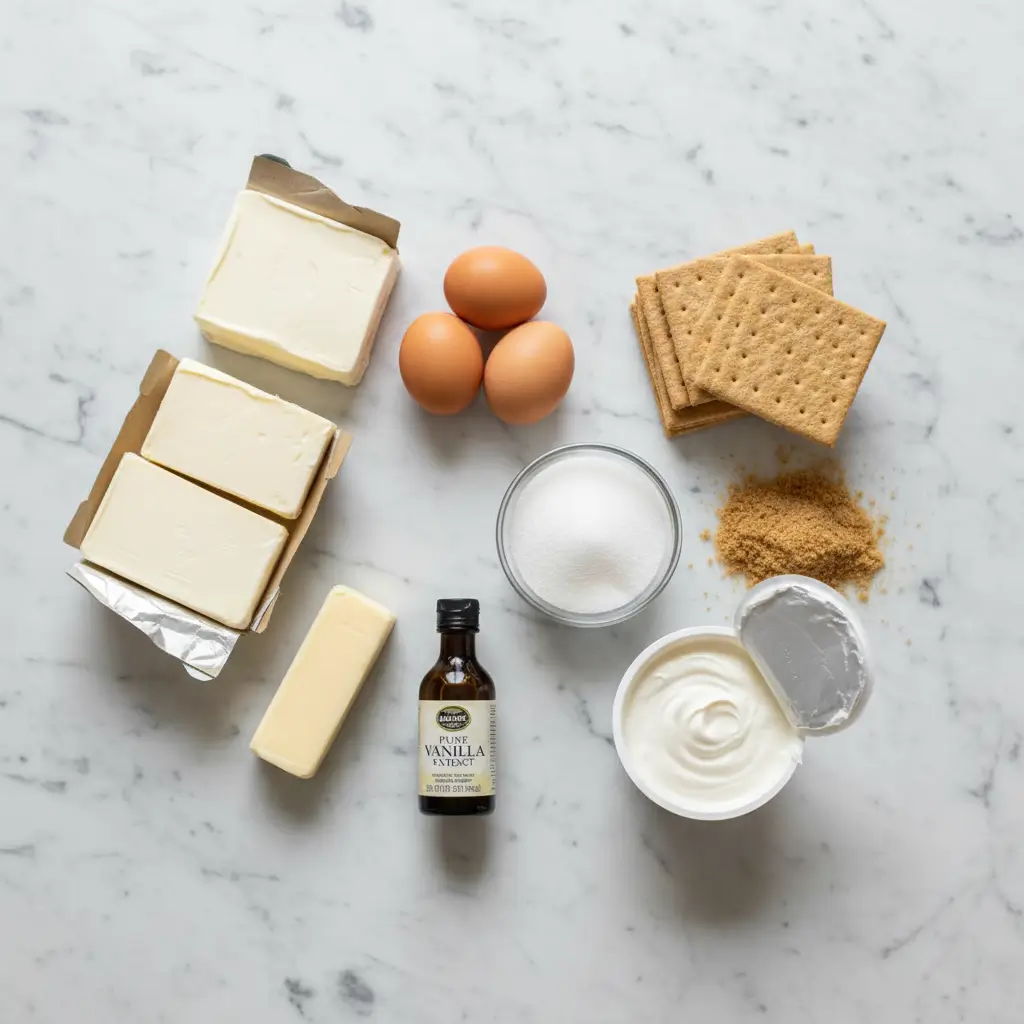
Before you get started, gather everything you need. Using quality ingredients makes a noticeable difference in the final result, especially when it comes to homemade cheesecake from scratch . Here is what you will need :
For the Crust
- 1 cup graham cracker crumbs (about 8 to 10 crackers, finely crushed) — sub: digestive biscuits or almond flour for a gluten-free option
- 1/4 cup unsalted butter, melted — sub: coconut oil for a dairy-free version
- 2 tablespoons granulated sugar — optional, adds a touch of sweetness to the base
For the Creamy Cheesecake Filling
- 16 oz (2 blocks) full-fat cream cheese, room temperature — this is non-negotiable for a smooth, lump-free batter
- 2/3 cup granulated sugar — sub: coconut sugar or monk fruit sweetener
- 2 large eggs, room temperature
- 1 teaspoon pure vanilla extract
- 1/2 cup full-fat sour cream — adds creaminess and a subtle tang; sub: full-fat Greek yogurt
Optional Toppings
- Fresh strawberry sauce or cherry pie filling
- Lemon curd for a bright citrus twist
- Whipped cream and fresh berries
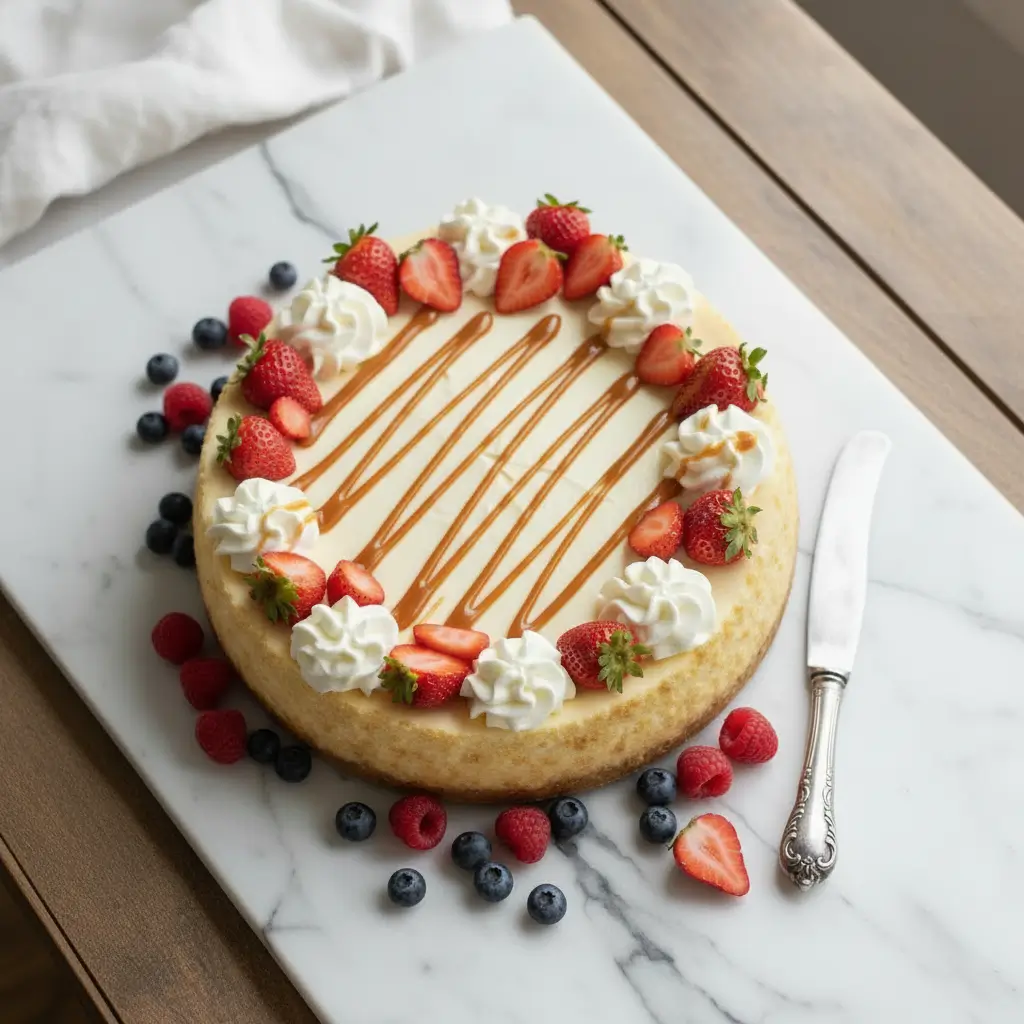
- Salted caramel drizzle
Timing
| Preparation Time | 20 minutes |
|---|---|
| Baking Time | 35 to 40 minutes |
| Cooling in Oven | 30 minutes |
| Chilling Time | Minimum 4 hours, ideally overnight |
| Total Active Time | Approximately 90 minutes (hands-on) |
Step-by-Step Instructions
Step 1 : Prepare the Crust
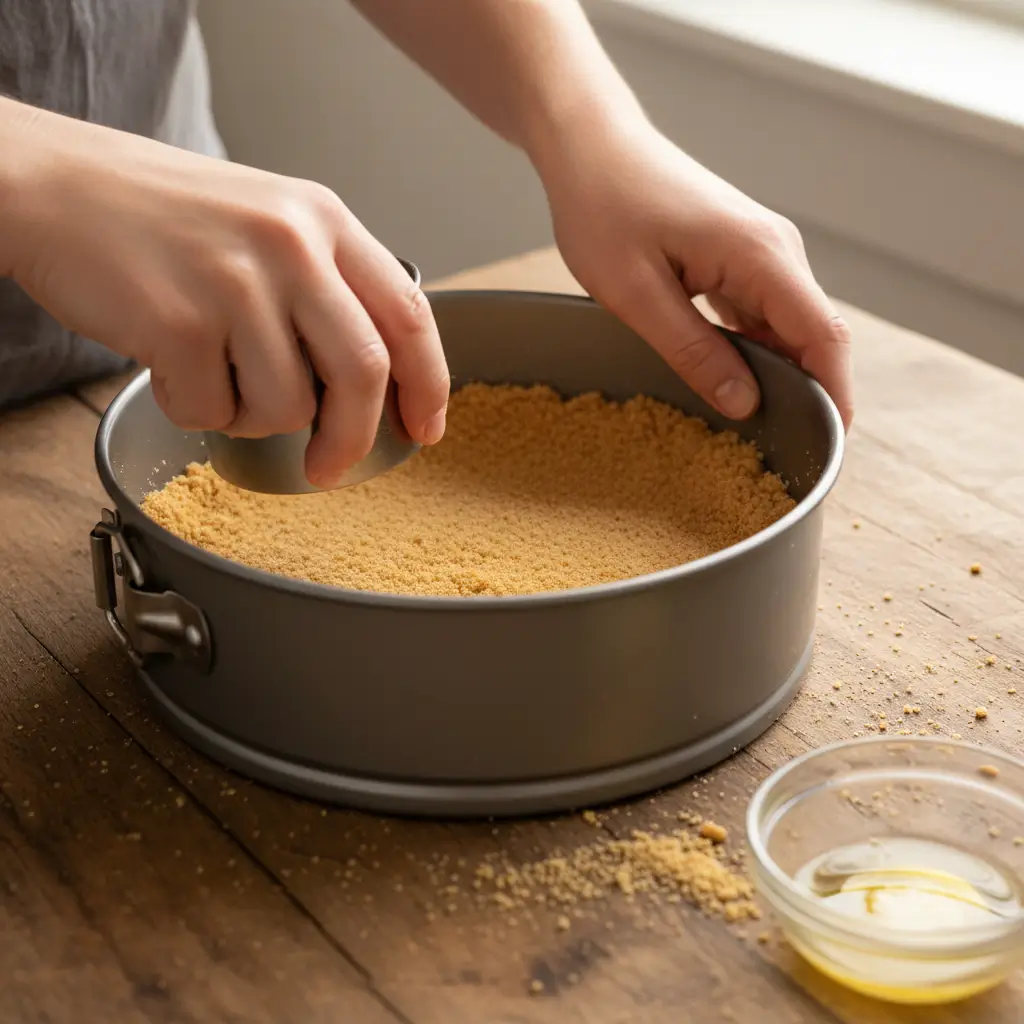
Preheat your oven to 325 degrees F (160 degrees C). In a mixing bowl, combine graham cracker crumbs, melted butter, and sugar. Stir until the mixture has the texture of wet sand and holds together when pressed between your fingers. Press this mixture firmly and evenly into the bottom of a 9-inch springform pan. Use the flat bottom of a glass or measuring cup to get a compact, uniform layer. Bake the crust for 10 minutes, then remove it from the oven and allow it to cool completely while you prepare the filling. A properly baked crust will not become soggy and provides a sturdy, flavorful base for your cheesecake.
Step 2 : Make the Creamy Cheesecake Filling
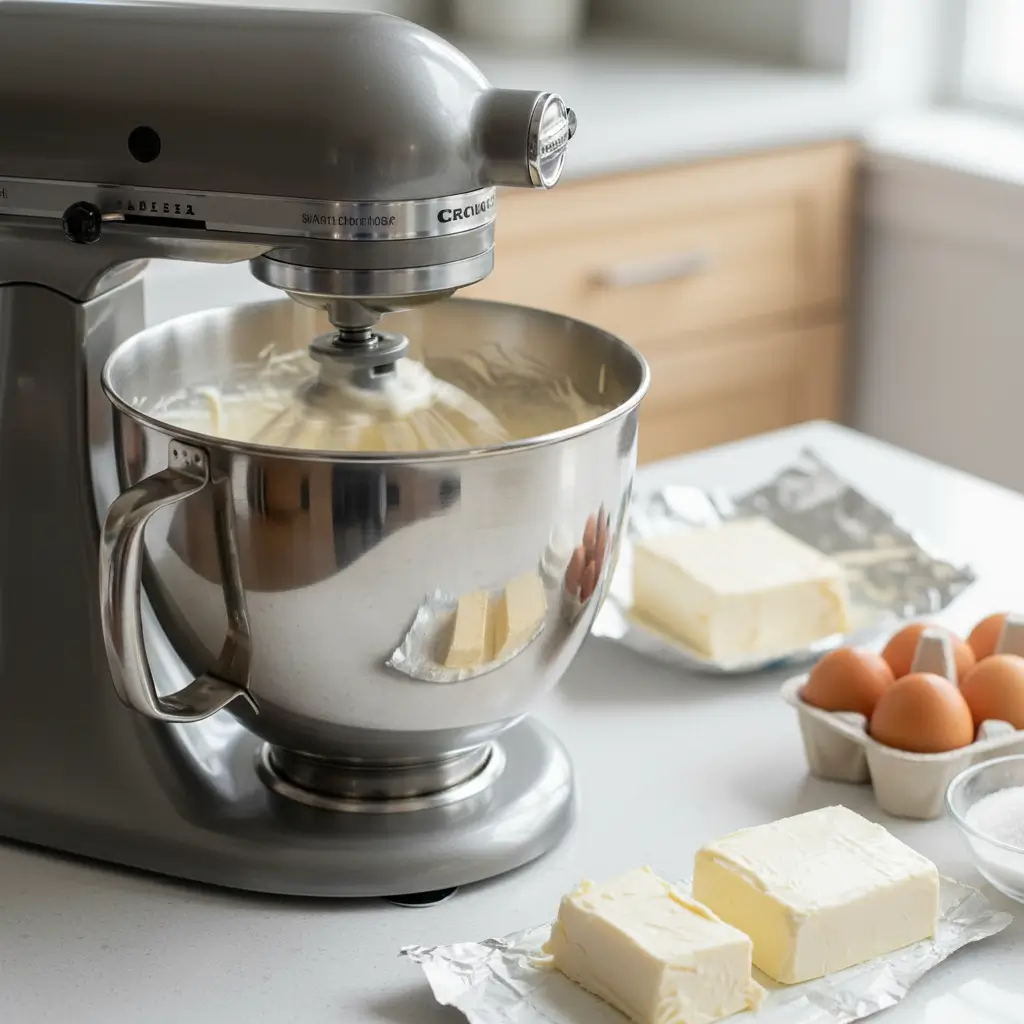
This step is where the magic happens, and room temperature ingredients are your best friend. Using cold cream cheese is the number one cause of lumpy batter, so take it out of the fridge at least an hour before you start. Beat the cream cheese in a stand mixer or with an electric hand mixer on medium speed for about 2 minutes until it is completely smooth. Add the sugar and mix until fully incorporated. Next, add the sour cream and vanilla extract, mixing gently on low speed. Finally, add the eggs one at a time, mixing on low just until each one disappears into the batter. Overmixing after adding the eggs is the leading cause of cracks, so keep it brief and gentle at this stage.
Step 3 : Assemble and Bake
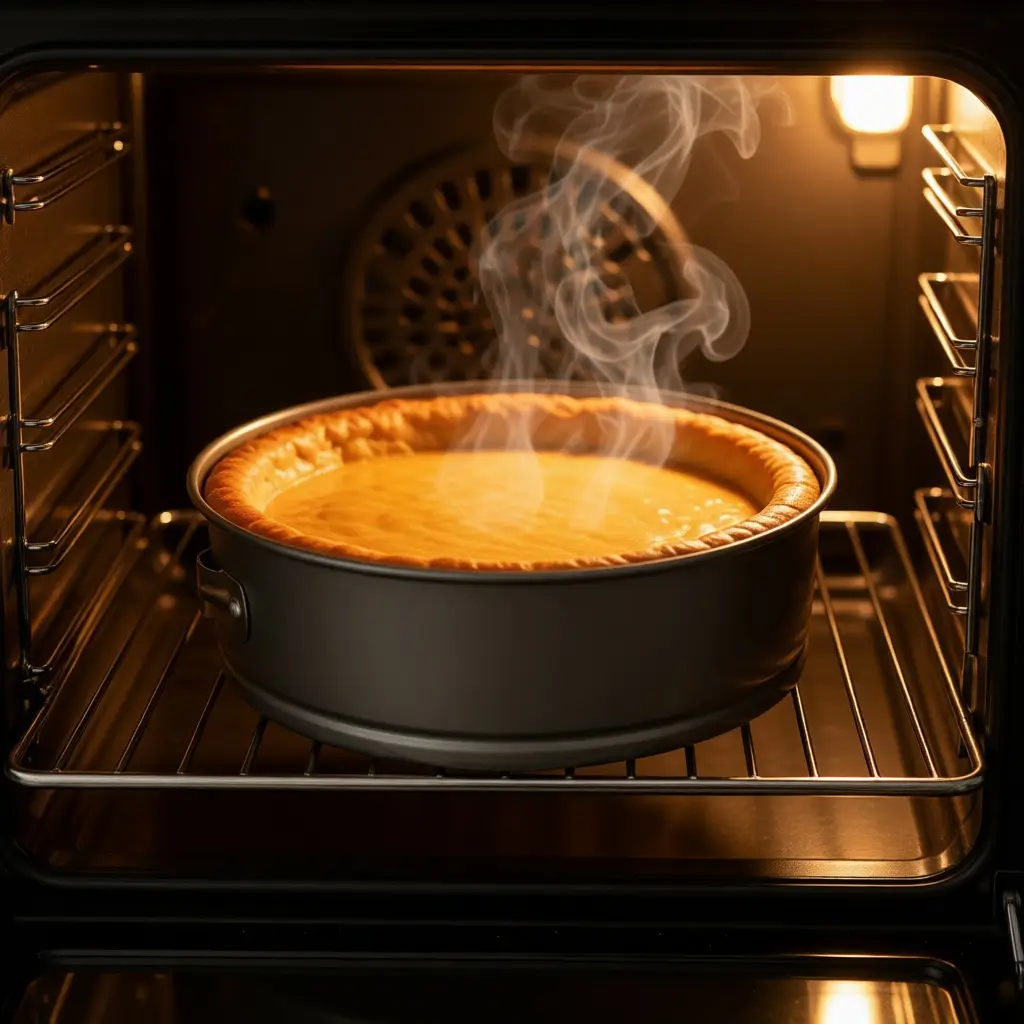
Pour the silky filling over your cooled crust and smooth the top with an offset spatula. Gently tap the pan on the counter 3 to 4 times to release any trapped air bubbles. Place the springform pan in the center of the oven. For an ultra-smooth, crack-free surface, place a pan of hot water on the rack below the cheesecake. This creates steam in the oven and prevents the surface from drying out too fast. Bake for 35 to 40 minutes. The cheesecake is ready when the edges look set and slightly puffed, but the center still has a gentle jiggle, like a barely-set gelatin. Do not be alarmed by the wobble. It will firm up beautifully as it cools.
Step 4 : Cool Gradually
This step is absolutely critical and skipping it is the most common mistake home bakers make. Once baking time is up, turn off the oven, crack the door open by about 2 inches, and leave the cheesecake inside for 30 minutes. This gradual temperature change prevents the dramatic shrinking that causes surface cracks. After 30 minutes, transfer the cheesecake to a wire rack and allow it to cool fully to room temperature. This will take about another 1 to 2 hours. Rushing this process will compromise both the texture and the appearance.
Step 5 : Chill, Top, and Serve
Once the cheesecake has reached room temperature, cover it loosely with plastic wrap and transfer it to the refrigerator for a minimum of 4 hours. Overnight chilling produces the best results, giving the filling time to fully set into that dense, creamy texture we all love. When you are ready to serve, run a thin knife around the inside edge of the springform pan before releasing the latch. This prevents tearing and keeps the sides smooth and clean. Add your favorite toppings just before serving, whether that is a glossy strawberry sauce, a handful of fresh raspberries, or a generous swirl of whipped cream.
Nutritional Information
| Serving Size | 1 slice (based on 10 equal portions) |
|---|---|
| Calories | 320 kcal |
| Total Fat | 22g (including 13g saturated fat) |
| Carbohydrates | 26g (including 18g sugars) |
| Protein | 6g |
| Cholesterol | 95mg |
| Sodium | 210mg |
Healthier Alternatives for the Recipe
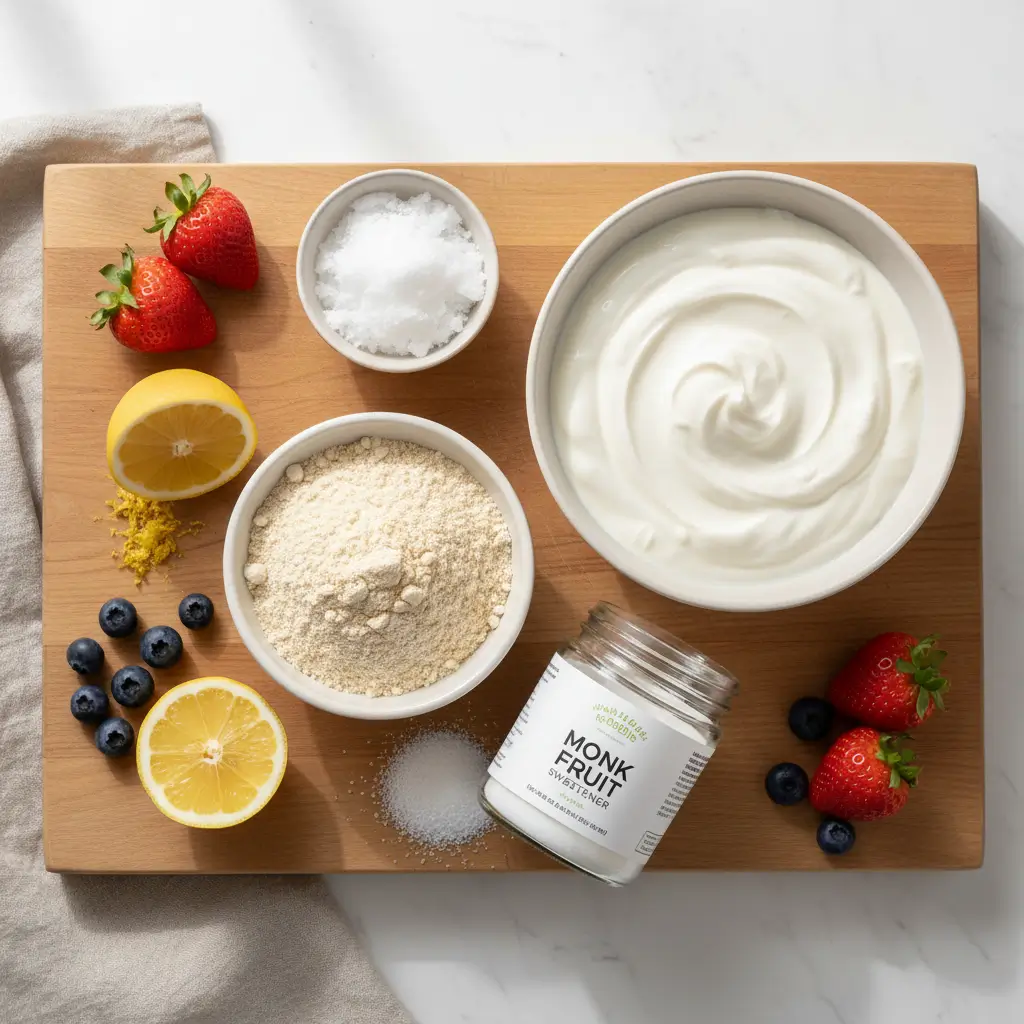
You do not have to sacrifice flavor to make a lighter version of this classic cheesecake dessert . Here are some smart, tested swaps:
- Swap full-fat cream cheese for Neufchatel cheese (1/3 less fat) or a blend of cream cheese and whipped cottage cheese for extra protein.
- Replace granulated sugar with monk fruit sweetener, erythritol, or raw honey for a lower-glycemic option without compromising sweetness.
- Use an almond flour crust instead of graham crackers to make this recipe gluten-free and keto-friendly. Combine 1.5 cups almond flour with 3 tablespoons melted butter and a pinch of salt.
- Sub sour cream with 0% fat plain Greek yogurt to cut saturated fat while keeping that tangy creaminess that defines a great homemade cheesecake from scratch .
- Add lemon zest to the filling for a burst of fresh flavor that reduces the need for extra sugar.
Serving Suggestions
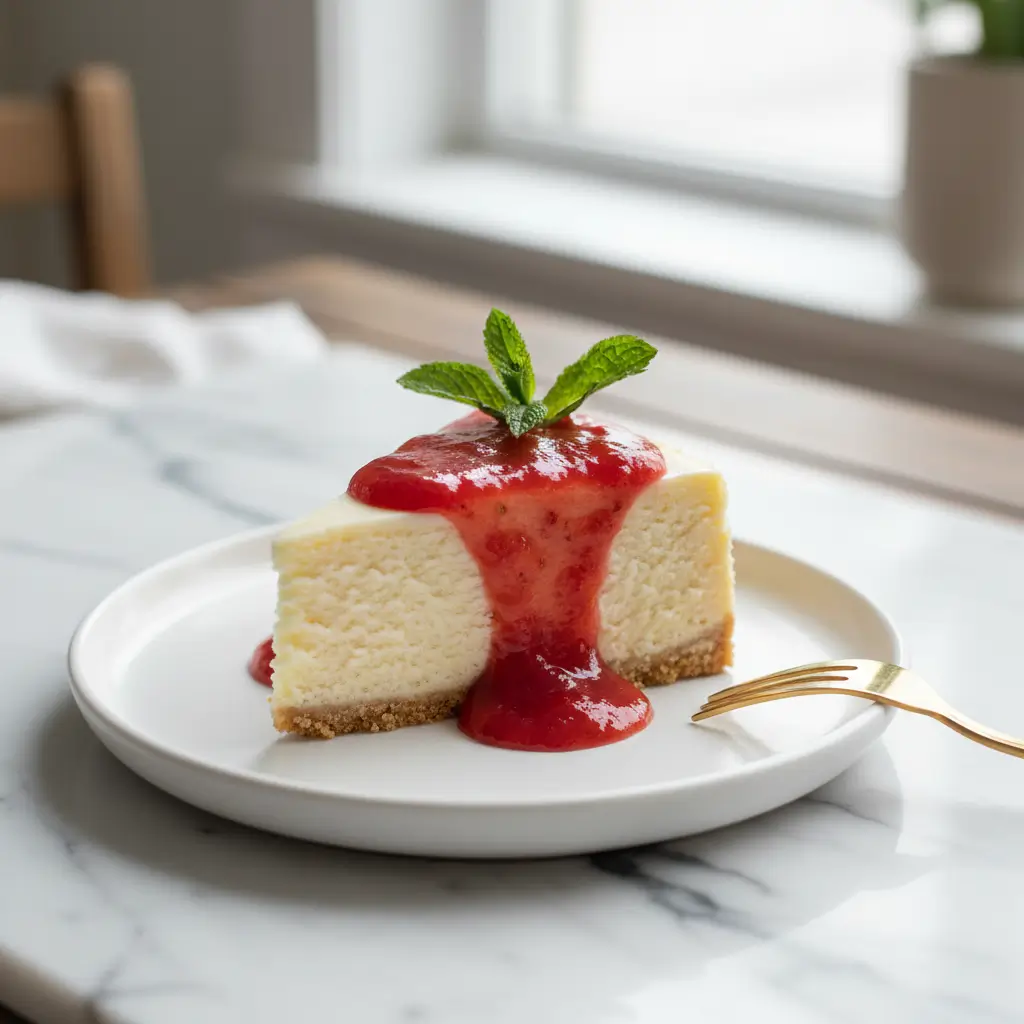
| Classic Topping | Fresh strawberries macerated with a pinch of sugar and a squeeze of lemon juice, generously spooned over each slice for a bright and refreshing finish. |
|---|---|
| Decadent Option | Warm salted caramel sauce drizzled over the cheesecake, finished with flaky sea salt and crushed toasted pecans for rich texture and depth. |
| Tropical Twist | Mango puree paired with toasted coconut flakes creates a vibrant, vacation-inspired presentation full of fresh flavor. |
| Chocolate Lover | A drizzle of dark chocolate ganache combined with a dusting of cocoa powder and a few espresso beans delivers bold, indulgent character. |
| Minimalist Style | A quenelle of lightly sweetened whipped cream and a single fresh mint leaf offers an elegant and balanced presentation. |
| Ideal Serving Temperature | Let the cheesecake sit at cool room temperature for 10 to 15 minutes before serving. This allows flavors to fully develop and ensures a smooth, velvety texture. |
Common Mistakes to Avoid
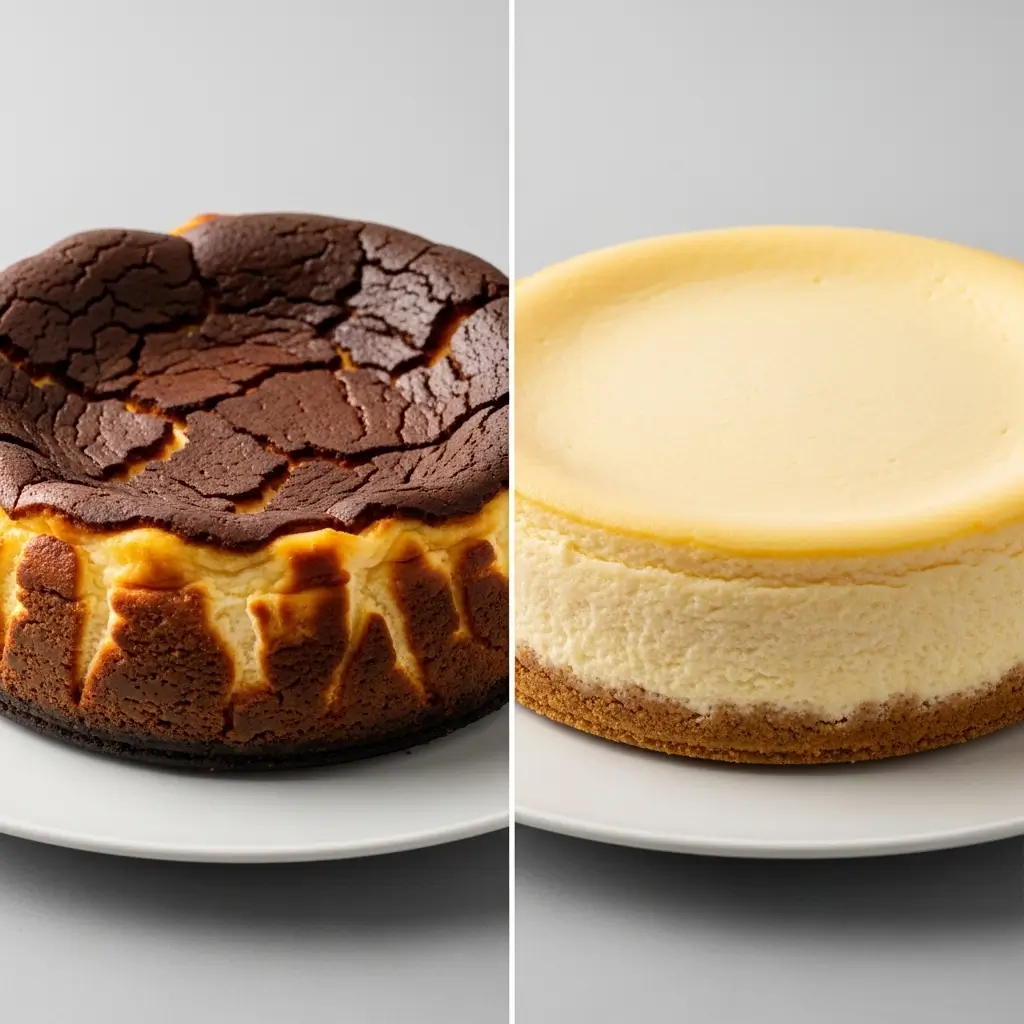
| Using Cold Cream Cheese | Cold cream cheese and eggs do not blend smoothly and will leave lumps in the batter. Always allow dairy ingredients to reach room temperature for at least one hour before mixing. |
|---|---|
| Overmixing After Adding Eggs | Excess mixing incorporates too much air, causing the cheesecake to rise and then crack as it cools. Mix on low speed and stop as soon as each egg is incorporated. |
| Skipping Gradual Cool-Down | Rapid temperature changes cause contraction and cracking. Allow the cheesecake to cool gradually in the oven before transferring it to room temperature and refrigeration. |
| Overbaking | Cheesecake should still jiggle slightly in the center when removed from the oven. It will continue setting during cooling and chilling, resulting in the perfect texture. |
| Not Greasing the Pan | Lightly greasing the pan prevents sticking and reduces tension as the cheesecake cools and contracts, helping avoid cracks along the edges. |
Storing Tips for the Recipe
| Storage Method | Best Practice and Tips |
|---|---|
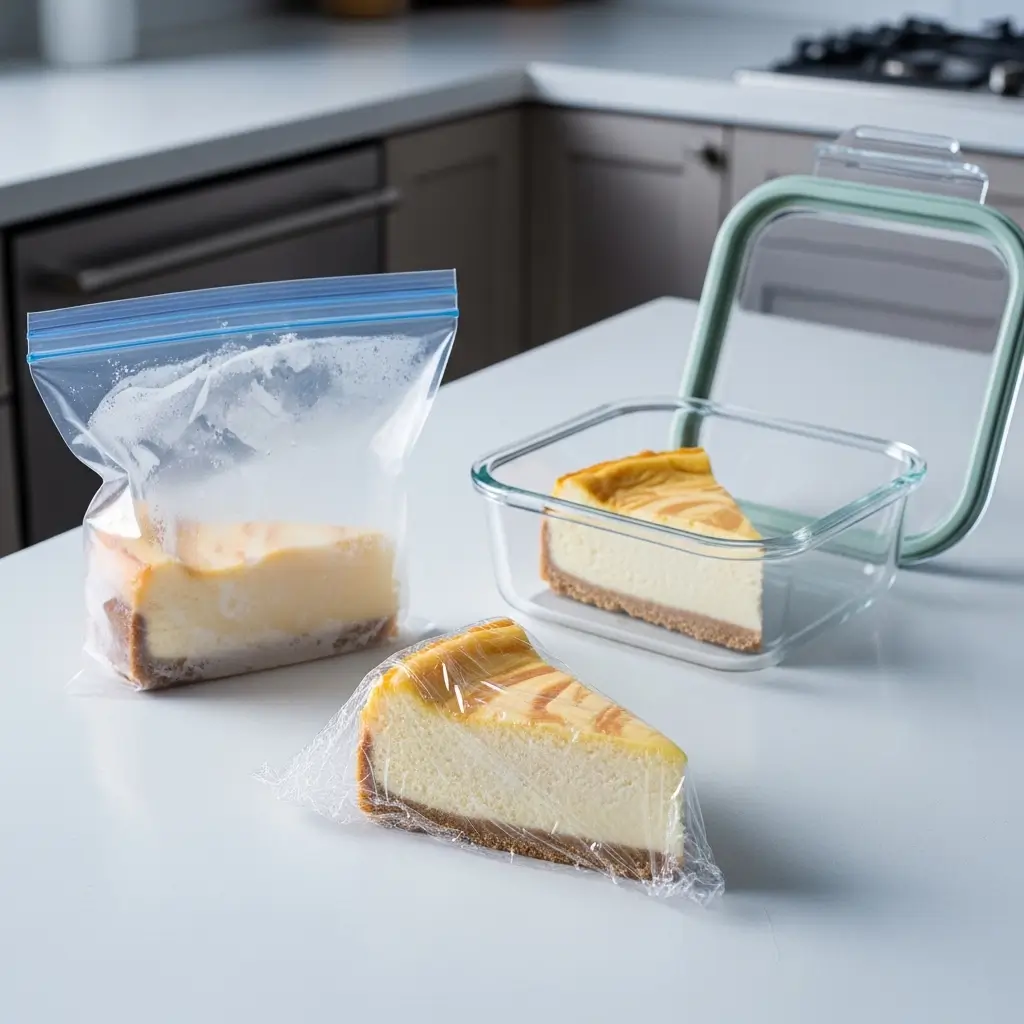
| Refrigerator | Cover the cheesecake loosely with plastic wrap or store slices in an airtight container. It will keep fresh for up to 5 days. Avoid storing near strong-smelling foods such as onions or garlic, as cheesecake absorbs odors easily. |
| Freezer | Cheesecake freezes exceptionally well for up to 2 months. Freeze the whole cheesecake uncovered on a baking sheet for 1 hour, then wrap it tightly in two layers of plastic wrap followed by a layer of aluminum foil. |
| Freezing Individual Slices | Place slices on a parchment-lined tray, freeze until solid, then transfer to zip-lock bags. This allows you to grab a single serving whenever a craving strikes. |
| Thawing | Always thaw in the refrigerator overnight. Never thaw at room temperature, as this causes condensation on the surface and can make the filling weep and soften unevenly. |
| Adding Toppings | Never store cheesecake with fresh fruit toppings already applied. Add them right before serving to maintain appearance and prevent excess moisture from seeping into the filling. |
Conclusion
There you have it: a foolproof, bakery-worthy cheesecake recipe built on five simple, clearly explained steps. From the buttery graham cracker crust to the luxuriously smooth and creamy cheesecake filling , every element of this recipe is designed to give you consistent, impressive results without the stress. Whether you are making it for a dinner party, a birthday celebration, or simply because you deserve a little indulgence on a Tuesday evening, this homemade cheesecake from scratch will not let you down.
The key takeaways are simple: use room-temperature ingredients, do not overmix after the eggs go in, cool gradually, and give the fridge enough time to work its magic. Follow those four principles and a perfect cheesecake is practically guaranteed every single time.
Now it is your turn. Try this recipe this weekend, experiment with your favorite best cheesecake topping ideas , and share your results in the comments below. We would love to hear how yours turned out and what creative variations you came up with. Happy baking!
FAQs
Why did my cheesecake crack on top ?
- Cracks are almost always caused by one of three things: overmixing the batter (too much air), overbaking (cooking past the gentle jiggle stage), or cooling too quickly. Follow the gradual oven cool-down method described in Step 4 and you should get a smooth, crack-free surface every time. And remember, even if your cheesecake does crack, a generous layer of topping covers everything beautifully.
Can I make this cheesecake without a springform pan ?
- Yes. Line a standard 9-inch round cake pan with parchment paper, leaving a generous overhang on the sides to act as handles. After chilling, use those parchment edges to gently lift the cheesecake out of the pan. It works well, though the springform pan makes for a cleaner, more professional presentation.
How do I know when the cheesecake is done baking ?
- The edges should look set and slightly puffed, and the very center of the cheesecake should still have a slow, gentle jiggle when you carefully shake the pan. Think of it as a barely-set gelatin. The center will firm up completely as it cools. If the entire surface looks firm and set in the oven, it has already been overbaked.
Can I use low-fat cream cheese for this recipe ?
- You can, but the texture and richness will be noticeably different. Low-fat and fat-free cream cheese contain more water, which can lead to a looser, less stable filling that does not set as cleanly. If you want a lighter version, Neufchatel cheese (labeled as 1/3 less fat cream cheese) is the best compromise, delivering a similar texture with fewer calories.
How far in advance can I make this cheesecake ?
- This is actually a dessert that benefits from being made ahead. You can prepare the full cheesecake up to 3 days in advance and store it covered in the refrigerator. The flavor deepens and the texture becomes even more luscious after 24 to 48 hours. Add toppings only on the day of serving for the best visual presentation.
What is the best way to cut clean cheesecake slices ?
- For picture-perfect slices, use a sharp, thin-bladed knife dipped in hot water and wiped dry between each cut. The warmth of the blade glides cleanly through the cold, dense filling without dragging or tearing. This is the same technique used by professional pastry chefs and it makes a dramatic difference in presentation.
Your Feedback Helps Us Grow!
There are no reviews yet. Be the first one to write one.