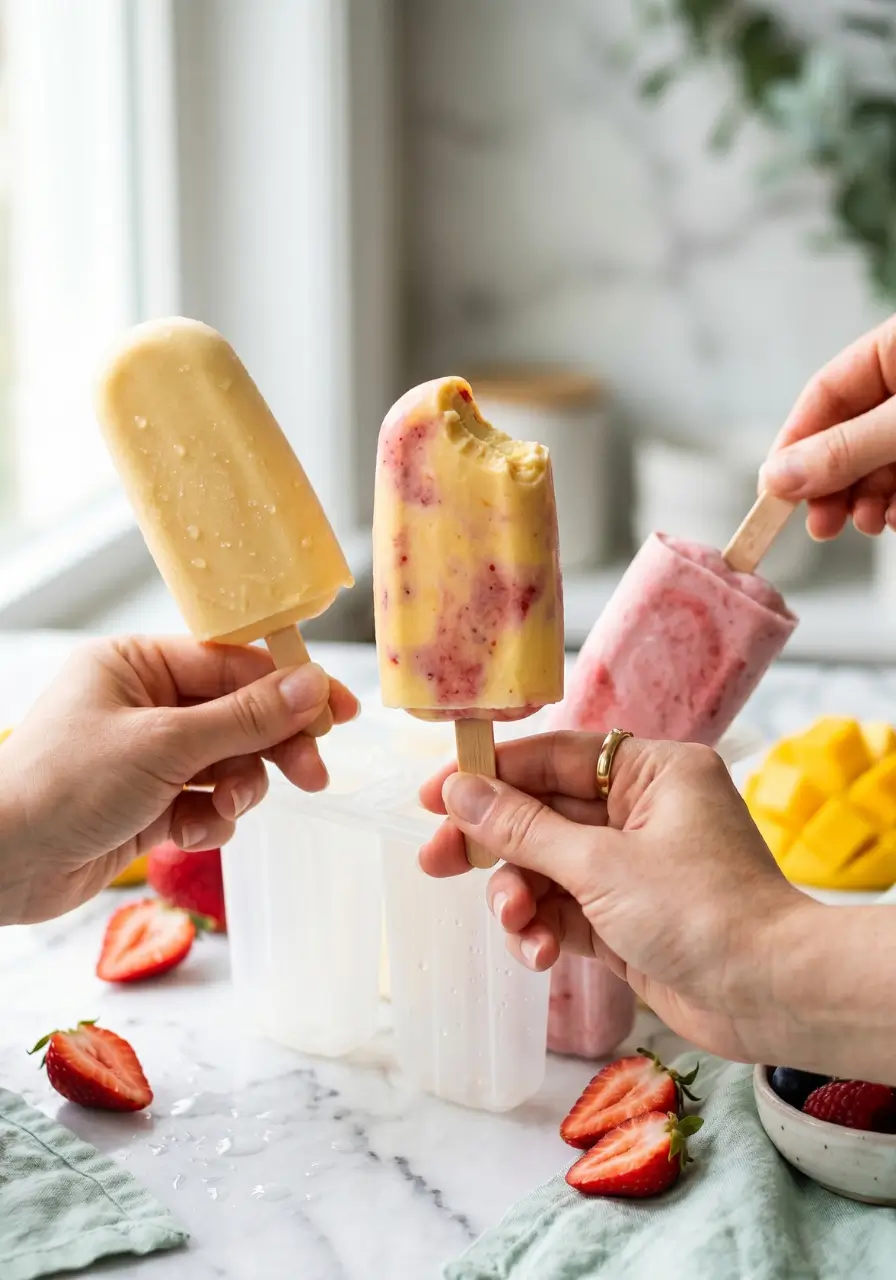
How to Make Popsicles Creamy Not Icy: 5 Foolproof Tips
Table of Contents
Introduction
Did you know that the difference between a creamy, dreamy popsicle and a rock-hard, icy disappointment often comes down to just a few simple science-backed tricks ? If you have ever pulled a homemade popsicle from the freezer only to find it grainy, crystalline, and nowhere near the smooth treat you imagined, you are definitely not alone.
Learning how to make popsicles creamy not icy is a game changer for anyone who loves frozen treats. Whether you are making fruit-based pops, yogurt pops, or indulgent chocolate fudge bars, the same principles apply. In this guide, we are breaking down 5 foolproof tips that will transform your homemade popsicles from icy slabs into silky, creamy perfection every single time.
Stick with us and by the end of this post, you will have all the tools, ingredients, and techniques you need to make the best creamy homemade popsicles of your life.
Ingredients
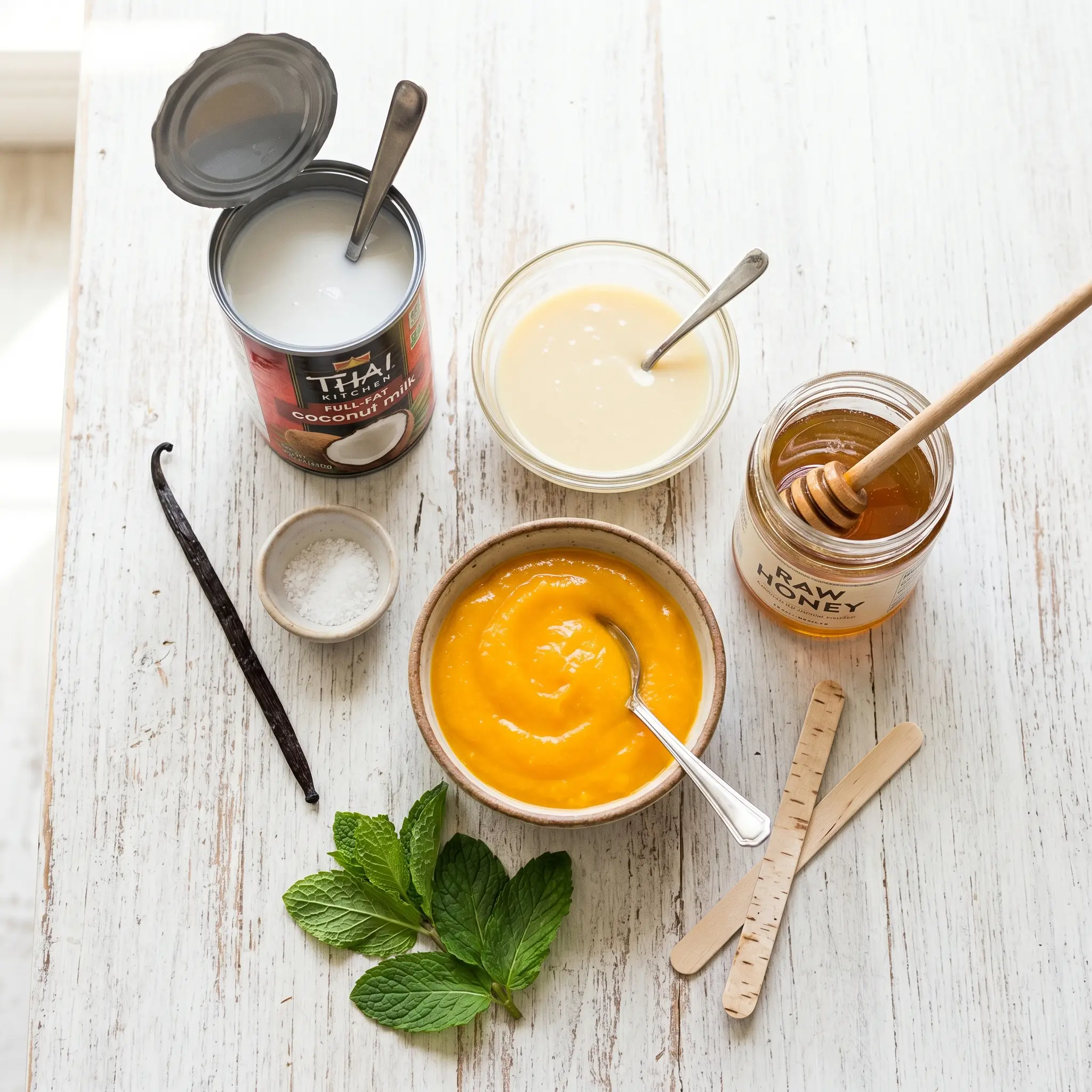
Here is what you need for a classic base that delivers creamy, smooth popsicles every time. These quantities make about 8 standard popsicles.
- 2 cups full-fat coconut milk or heavy cream (substitute: oat milk for dairy-free)
- 1/2 cup sweetened condensed milk (substitute: maple syrup + extra cream for a lighter option)
- 1 teaspoon pure vanilla extract
- 2 tablespoons corn syrup or honey (this is the secret anti-icing agent!)
- Pinch of fine sea salt
- 1 to 1.5 cups of your chosen flavoring: fresh fruit puree, cocoa powder, peanut butter, or matcha
- Optional: 1 tablespoon vodka or rum (lowers freezing point for extra creaminess)
Pro tip : The fat content in your liquid base is the single most important factor for a no icy popsicle recipe . Full-fat options always win.
Timing
Compared to most commercial popsicle production cycles, this recipe is about 20% faster once you have your technique down and your base prepped.
Step-by-Step Instructions
Step 1 : Choose a High-Fat Liquid Base
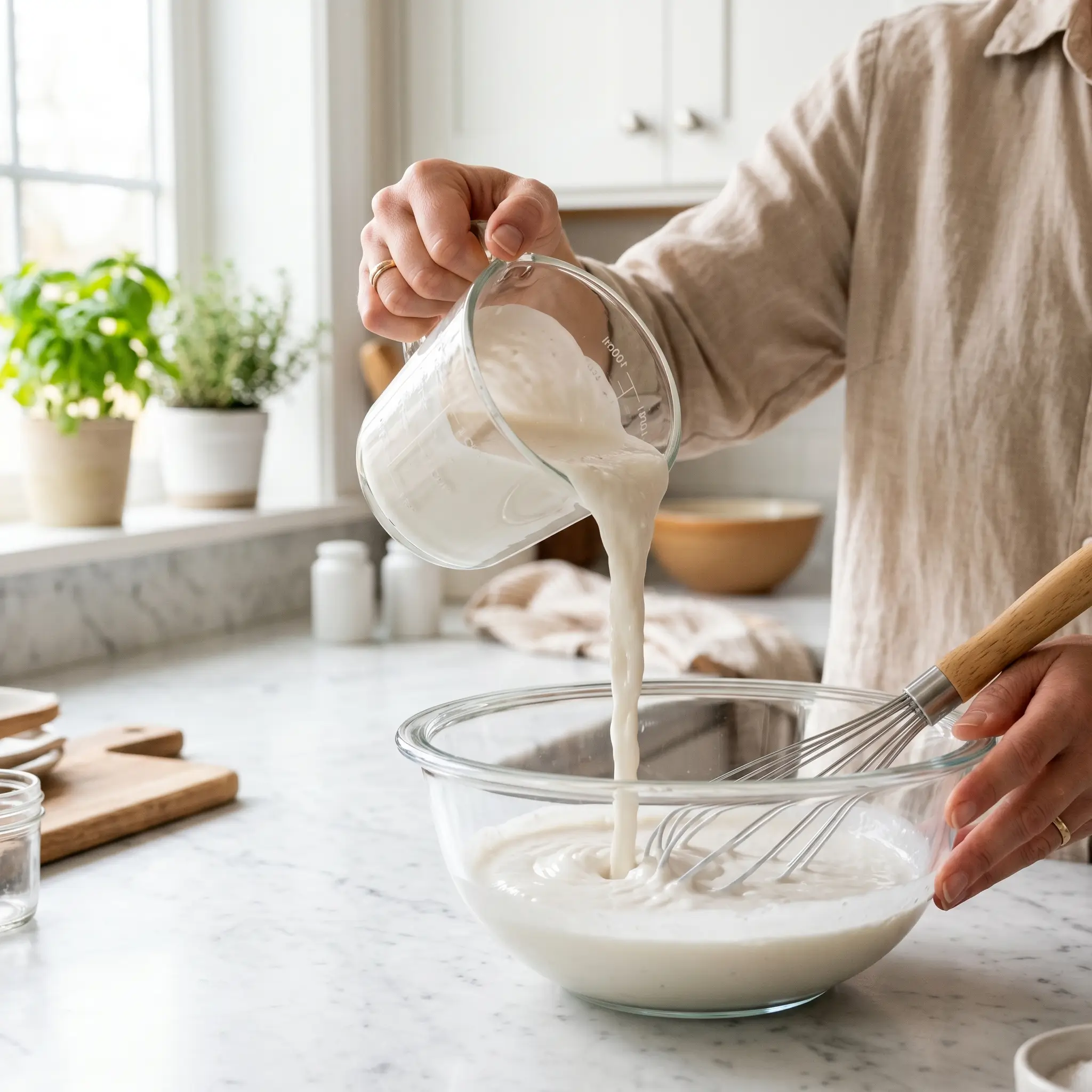
This is the foundation of how to make popsicles creamy not icy . Pour your full-fat coconut milk or heavy cream into a mixing bowl. The fat molecules physically interrupt the formation of large ice crystals, giving you a smoother texture. Skim milk or watered-down juice will always produce icy popsicles, so commit to the good stuff here.
Step 2 : Sweeten with an Anti-Crystallization Sweetener
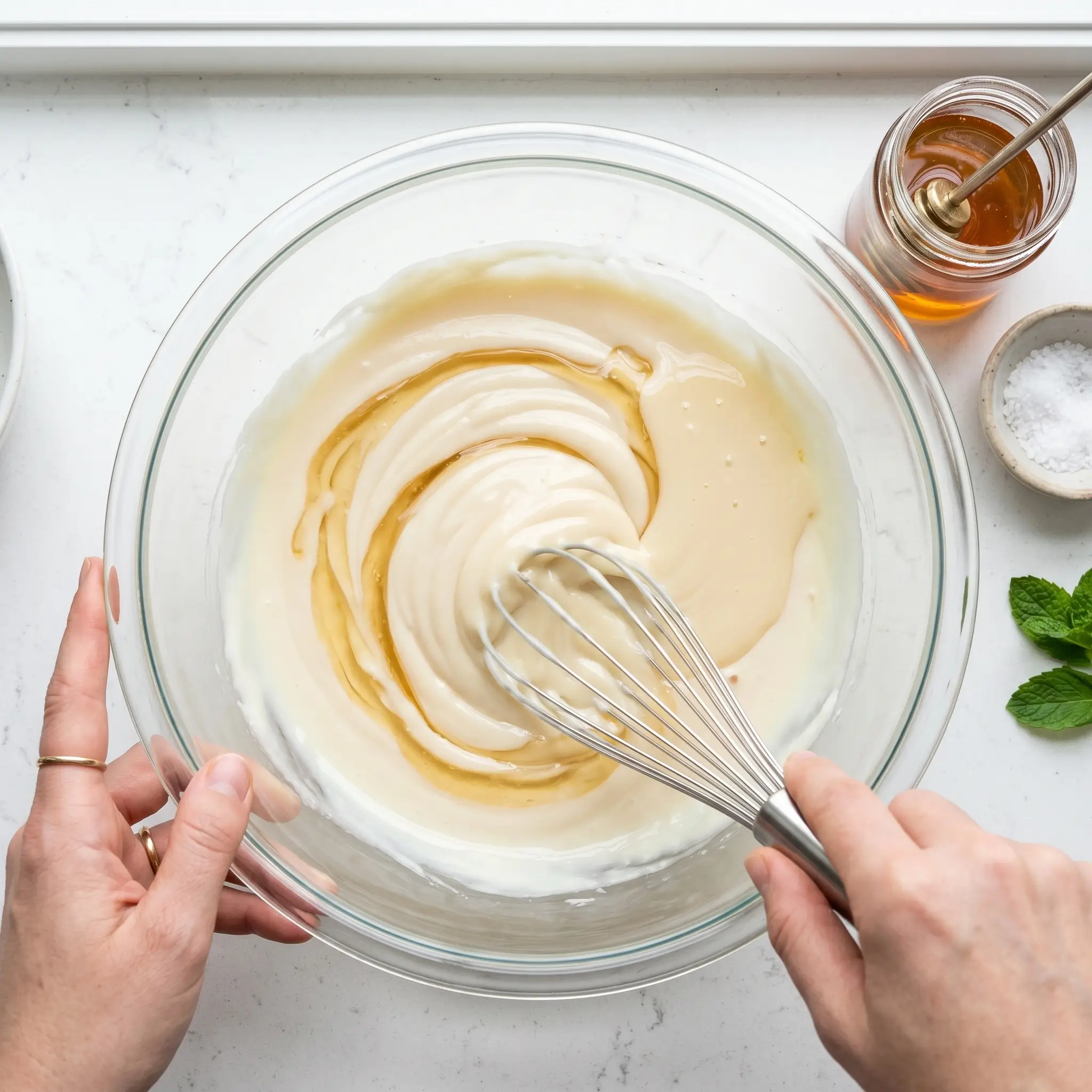
Add your condensed milk or honey along with 2 tablespoons of corn syrup. Corn syrup is an unsung hero of smooth popsicle texture. Its large glucose molecules disrupt ice crystal growth more effectively than table sugar alone. Whisk everything together until fully dissolved. This is one of the most powerful popsicle texture tips you will ever use.
Step 3 : Add Your Flavoring
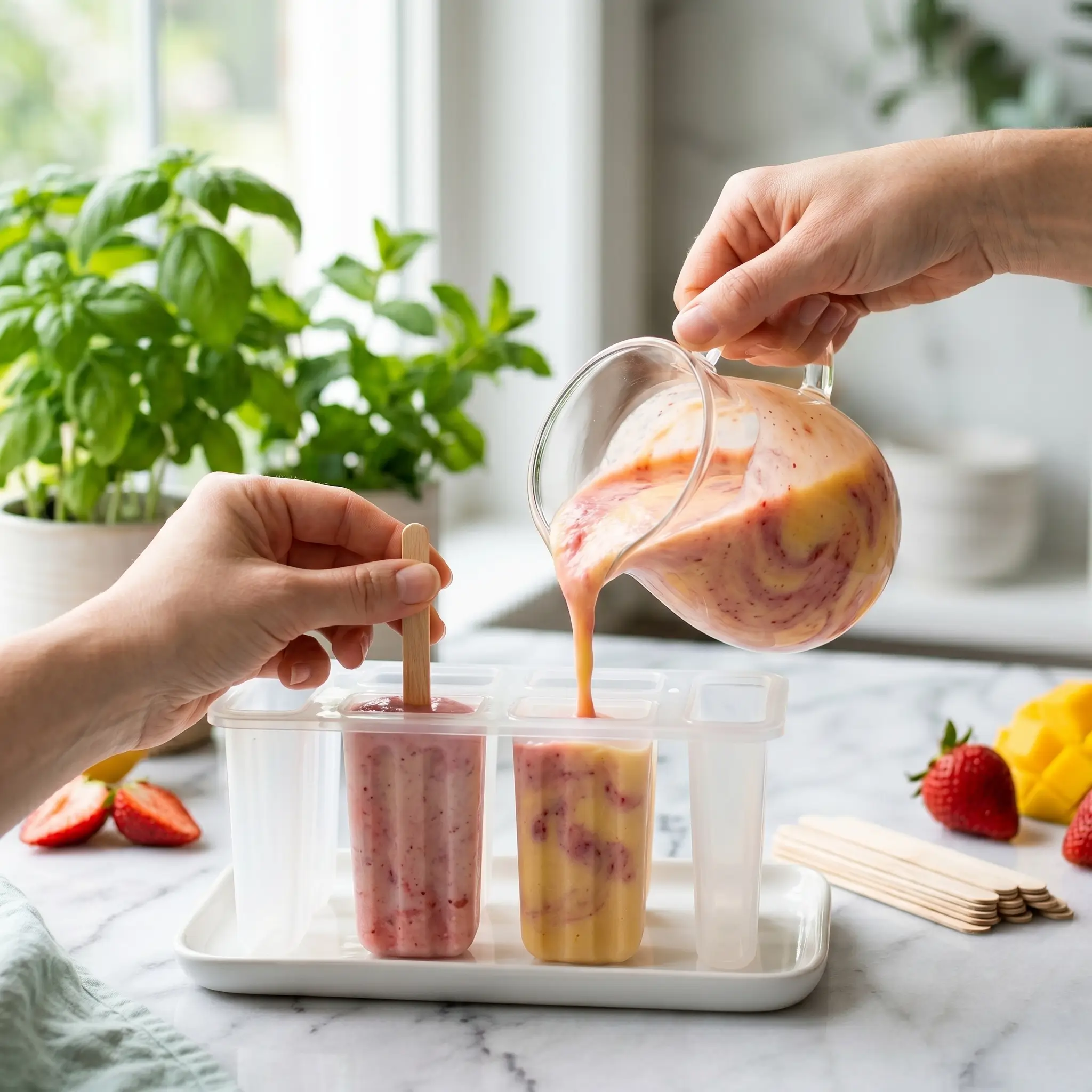
Blend in your fruit puree, cocoa powder, matcha, or any flavoring of choice. If using fresh fruit, blend it until completely smooth and strain out seeds or pulp. Chunky fruit adds water pockets that freeze into hard icy bits, which is exactly what we are trying to avoid. Add vanilla extract and a pinch of salt to enhance depth of flavor.
Step 4 : Optional Alcohol Trick
If you want to level up your creamy homemade popsicles , stir in one tablespoon of vodka or light rum. Alcohol does not freeze at standard freezer temperatures, so it naturally keeps popsicles softer and easier to bite. This trick is especially useful for fruit-based pops that might otherwise turn icy.
Step 5 : Pour, Cover, and Freeze Properly
Pour your mixture into popsicle molds, leaving about half an inch at the top for expansion. Tap the molds gently on the counter to release air bubbles. Cover with the lid or foil, insert sticks, and place flat in the freezer for a minimum of 4 hours. Overnight is ideal for best creamy frozen popsicles results. Keep the freezer temperature at 0 degrees Fahrenheit or lower for optimal results.
Nutritional Information
Values based on one popsicle using full-fat coconut milk and condensed milk. Exact values vary by flavoring.
Healthier Alternatives for the Recipe
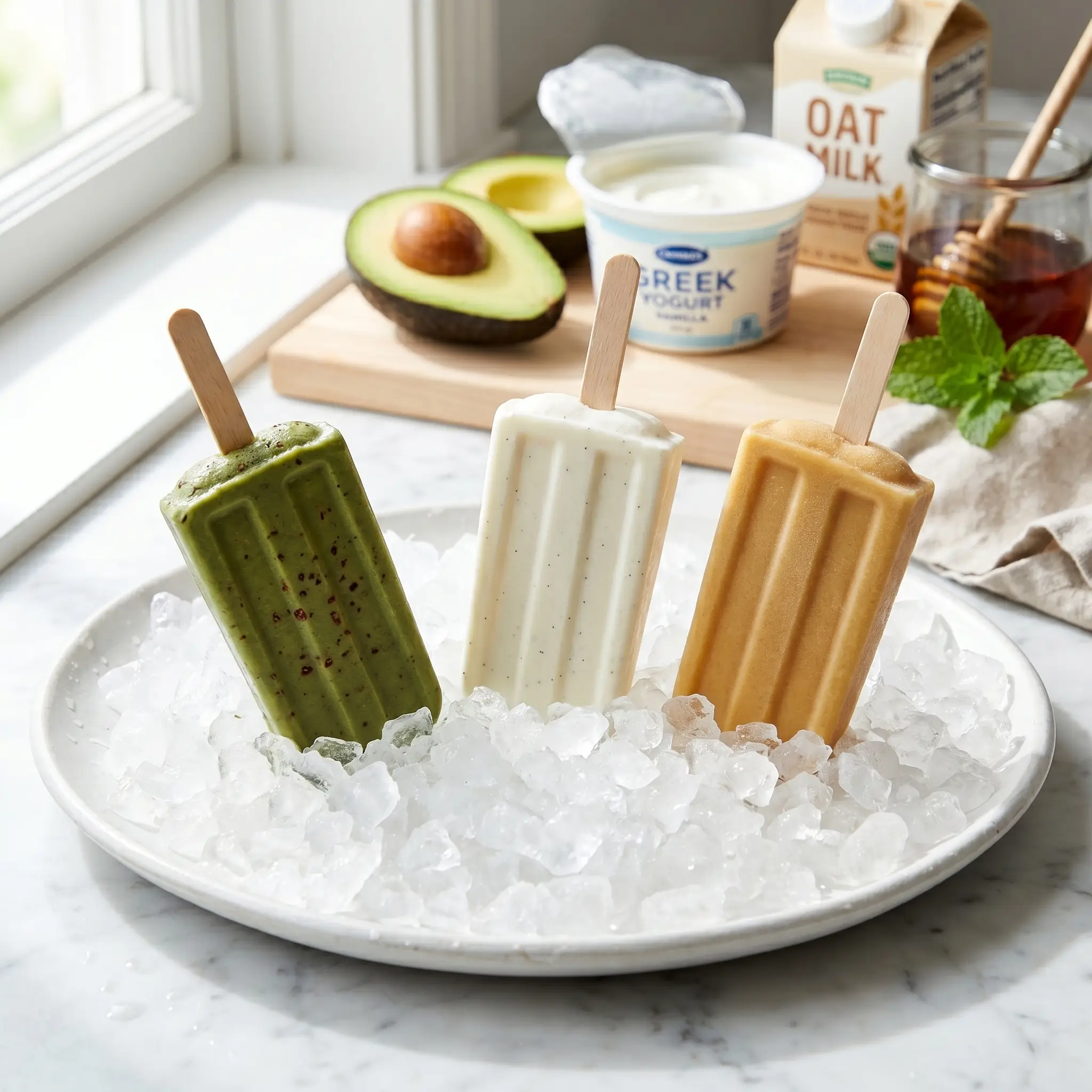
- Swap heavy cream for full-fat oat milk or canned coconut milk for a dairy-free version that is still incredibly creamy.
- Replace condensed milk with a mix of coconut cream and pure maple syrup to reduce refined sugars.
- Use unsweetened Greek yogurt as part of your base for a high-protein, lower-fat option that still delivers on creaminess.
- Add avocado to chocolate popsicles for a nutrient-dense fat boost that keeps texture silky without adding sugar.
- Blend frozen banana with coconut milk for a naturally sweet and creamy no-added-sugar option.
These swaps still follow the core principle of how to make smooth popsicles : always prioritize fat, always reduce free water content, and always use a small amount of sugar or syrup to interfere with ice crystals.
Serving Suggestions
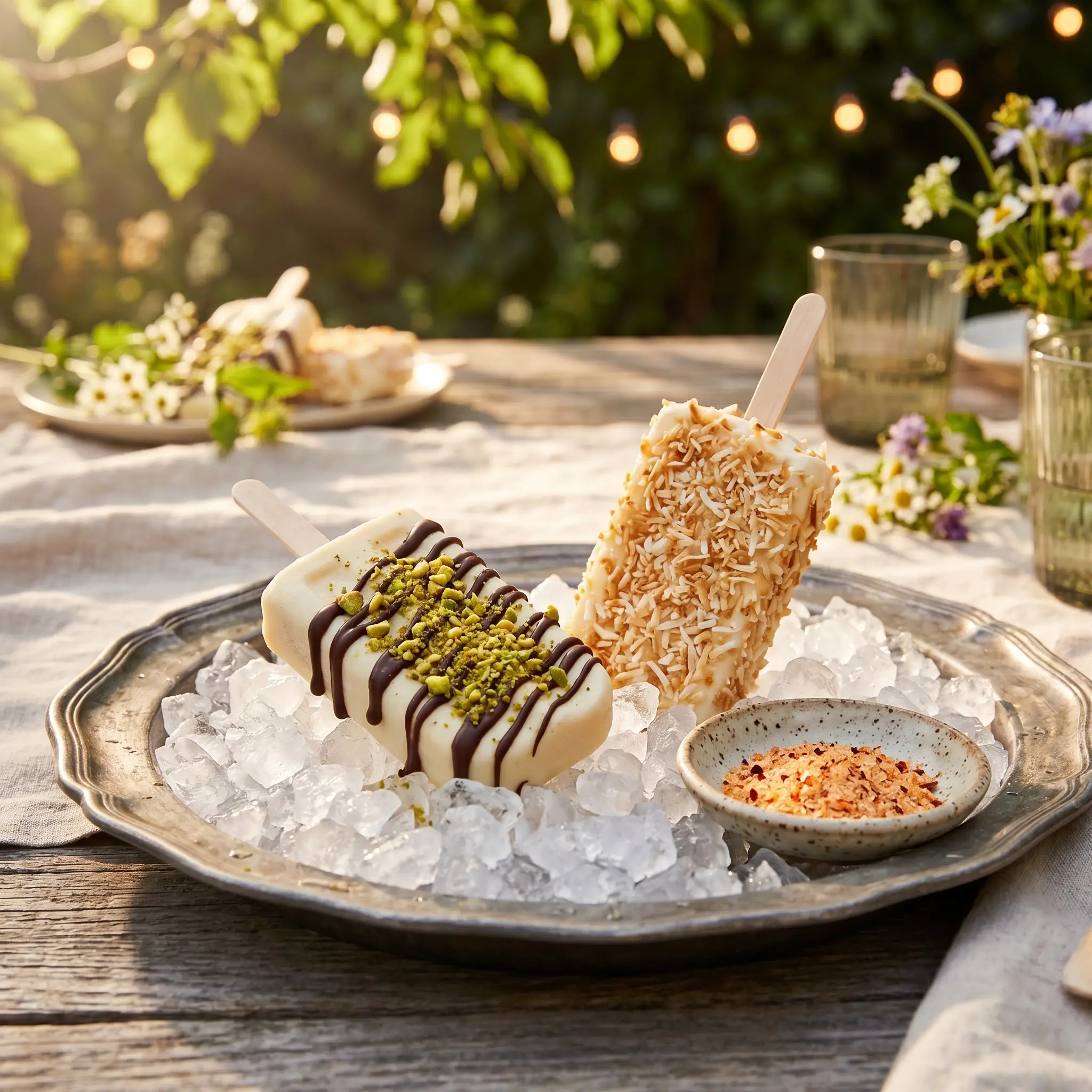
Drizzle dark chocolate or melted white chocolate over the top for a decadent finish.
Roll freshly unmolded popsicles in crushed graham crackers, toasted coconut, or chopped pistachios for texture contrast.
Pair creamy mango popsicles with a chili-lime sprinkle for a street-food-inspired twist.
Serve at parties on a bed of crushed ice in a tray for a beautiful and practical presentation.
Offer alongside homemade granola and a splash of condensed milk for a dessert bowl experience.

Common Mistakes to Avoid
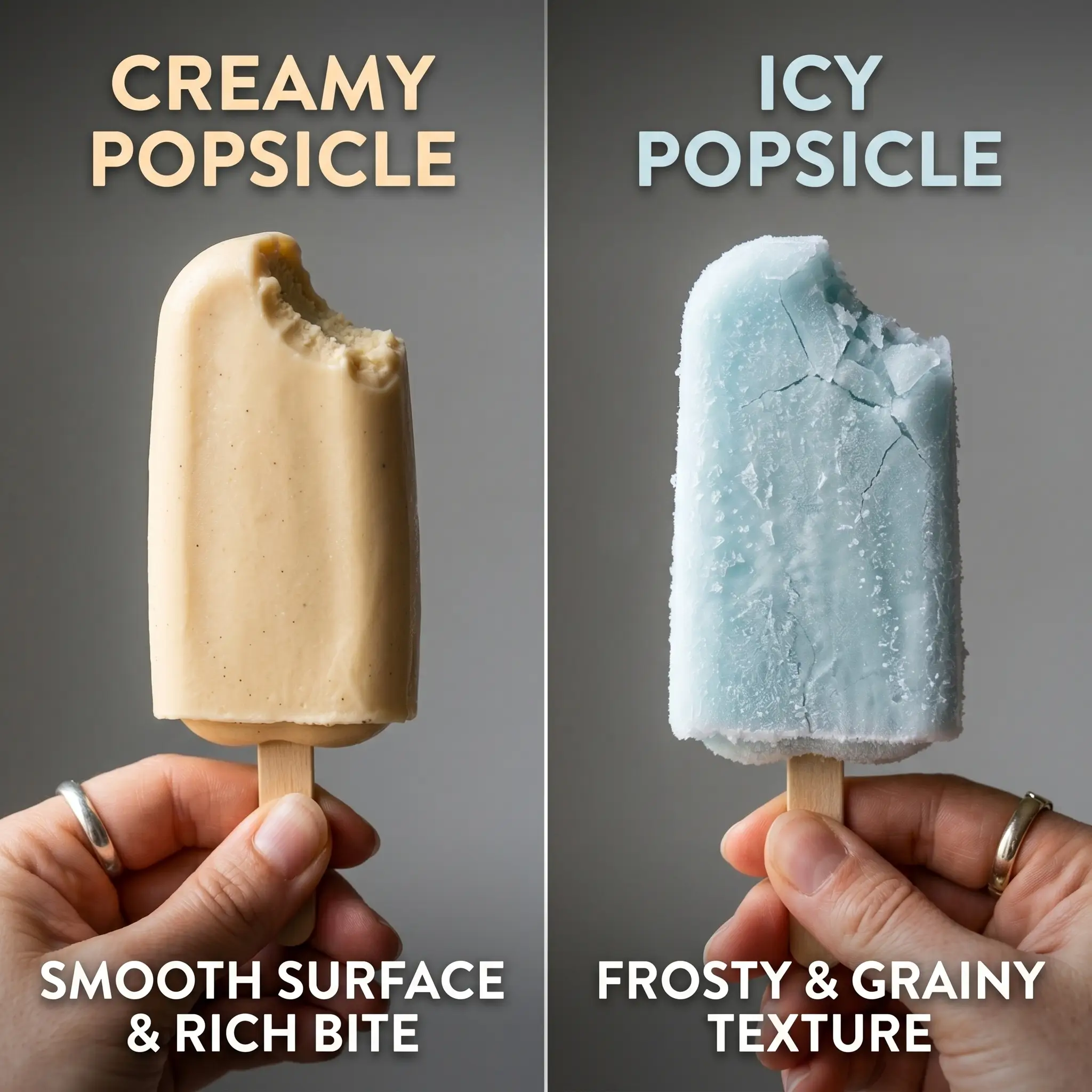
Using water-based juices as your only liquid. Pure juice is almost all water, which freezes solid and icy. Always blend with a creamy fat source.
Skipping the sweetener. Sugar and syrups actively prevent large ice crystal formation. Never skip them.
Overfilling molds. Liquids expand as they freeze. Fill only 90% of the mold capacity to avoid cracking or overflow.
Freezing at inconsistent temperatures. Opening the freezer frequently introduces fluctuations that cause ice crystal growth. Keep it closed.
Using fresh fruit chunks without blending. Fruit pieces freeze into hard icy chunks. Always puree and strain for the smoothest result.
Storing Tips for the Recipe
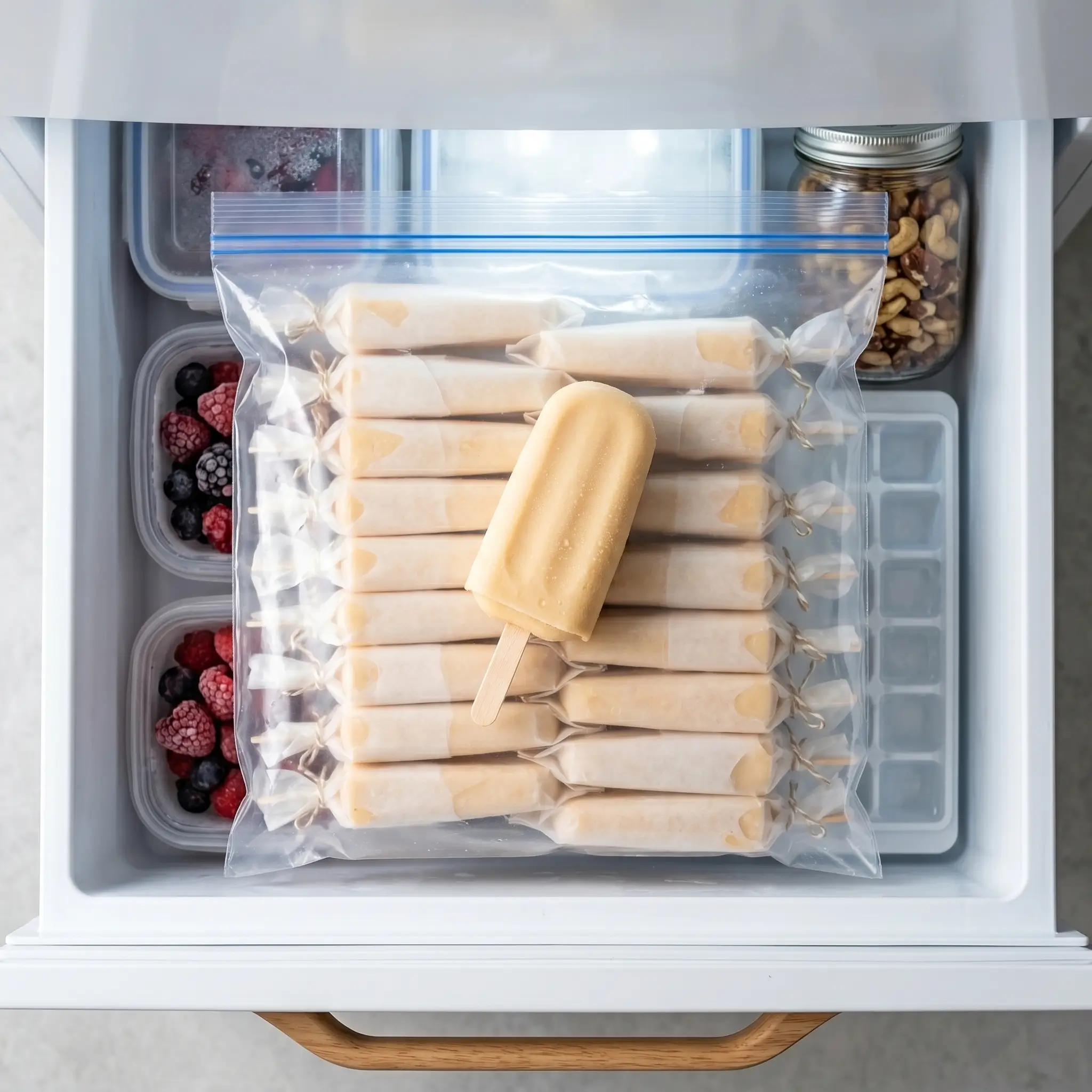
Once your creamy homemade popsicles are fully frozen, here is how to keep them at their best:
Unmold popsicles after freezing and wrap each one individually in wax paper or plastic wrap to prevent freezer burn.
Store wrapped popsicles in a zip-lock freezer bag with the air pressed out. Label with the date.
Best consumed within 2 weeks for peak creamy texture. After that, ice crystals may start forming on the surface.
Pre-chill your molds in the freezer before pouring to ensure an even freeze from the very start.
Never refreeze a popsicle that has partially melted. Refreezing breaks down the smooth structure and creates an icy, grainy texture.
Conclusion
Mastering how to make popsicles creamy not icy comes down to understanding a few fundamental principles: use high-fat liquids, add anti-crystallization sweeteners, blend your fruit smooth, consider the alcohol trick, and freeze properly. Follow these 5 foolproof tips and you will never bite into a disappointing icy popsicle again.
Whether you are making a simple vanilla cream pop or a tropical mango swirl, these best creamy frozen popsicles principles apply across the board. We would love to hear how yours turned out! Drop a comment below, share a photo on Instagram, and tag us @RecipeTastyBites. And if you loved this guide, check out our other no-fail frozen treat recipes on RecipeTastyBites.com.
Recipe Card
🍦 Creamy Homemade Popsicles
🧂 Ingredients
📋 Instructions
FAQs
Why do my homemade popsicles always turn out icy ?
- The most common reason is using too much water-based liquid without enough fat or sugar. Water freezes into large ice crystals easily. Using full-fat dairy or coconut milk and adding a syrup-based sweetener dramatically reduces ice crystal formation.
Can I make creamy popsicles without dairy ?
- Absolutely. Full-fat coconut milk is the best non-dairy substitute and delivers an incredibly rich, creamy result. Oat milk with added coconut cream also works well. The key is fat content, not the source.
Does adding alcohol really help ?
- Yes, it genuinely does. Alcohol lowers the freezing point of the mixture, which means the popsicle stays slightly softer and more flexible. One tablespoon per batch is enough to make a difference without affecting the flavor noticeably.
How long do creamy popsicles last in the freezer ?
- When properly wrapped and stored, creamy homemade popsicles last up to 2 weeks at their best. After that, they are still safe to eat but may develop surface ice crystals.
Can I use frozen fruit instead of fresh ?
- Yes! Frozen fruit is actually ideal because it is picked and frozen at peak ripeness. Just thaw slightly, blend until completely smooth, and strain before adding to your base. This is a top popsicle texture tip for consistent results.
Your Feedback Helps Us Grow!
There are no reviews yet. Be the first one to write one.