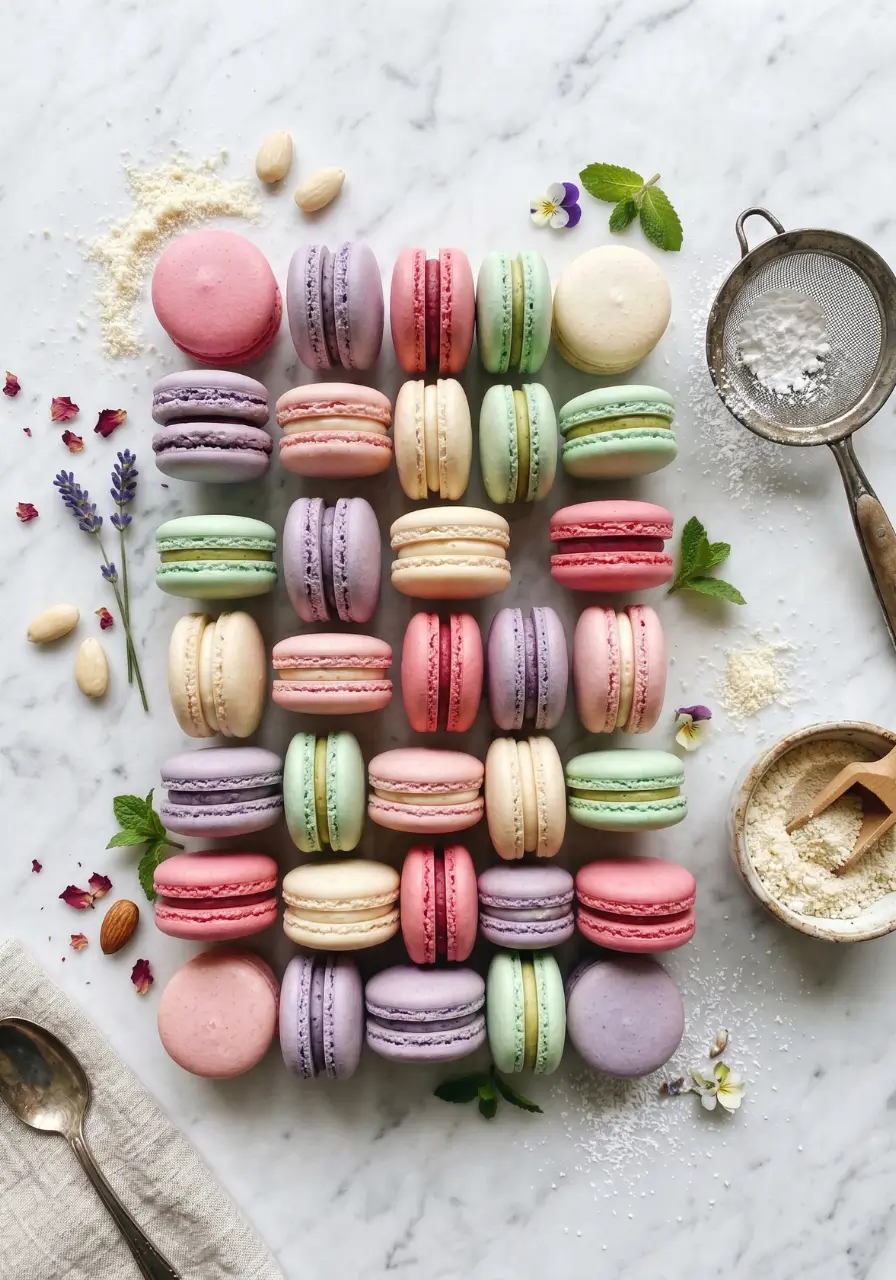
Stable Macaron Method for Beginners in 7 Easy Steps
Table of Contents
Why Most Beginners Fail at Macarons (And How to Finally Succeed)
Did you know that nearly 70% of first-time macaron bakers report at least one failed batch before getting it right? If you have tried making these iconic French cookies and ended up with cracked tops, no feet, or hollow shells, you are definitely not alone. The good news is that the Stable Macaron Method for Beginners is specifically designed to eliminate those frustrating failures. In this guide, you will follow 7 clear, foolproof steps to achieve perfect macaron shells every single time, even if you have never baked them before. Say goodbye to guesswork and hello to consistently beautiful, bakery-quality macarons right from your own kitchen.
Ingredients
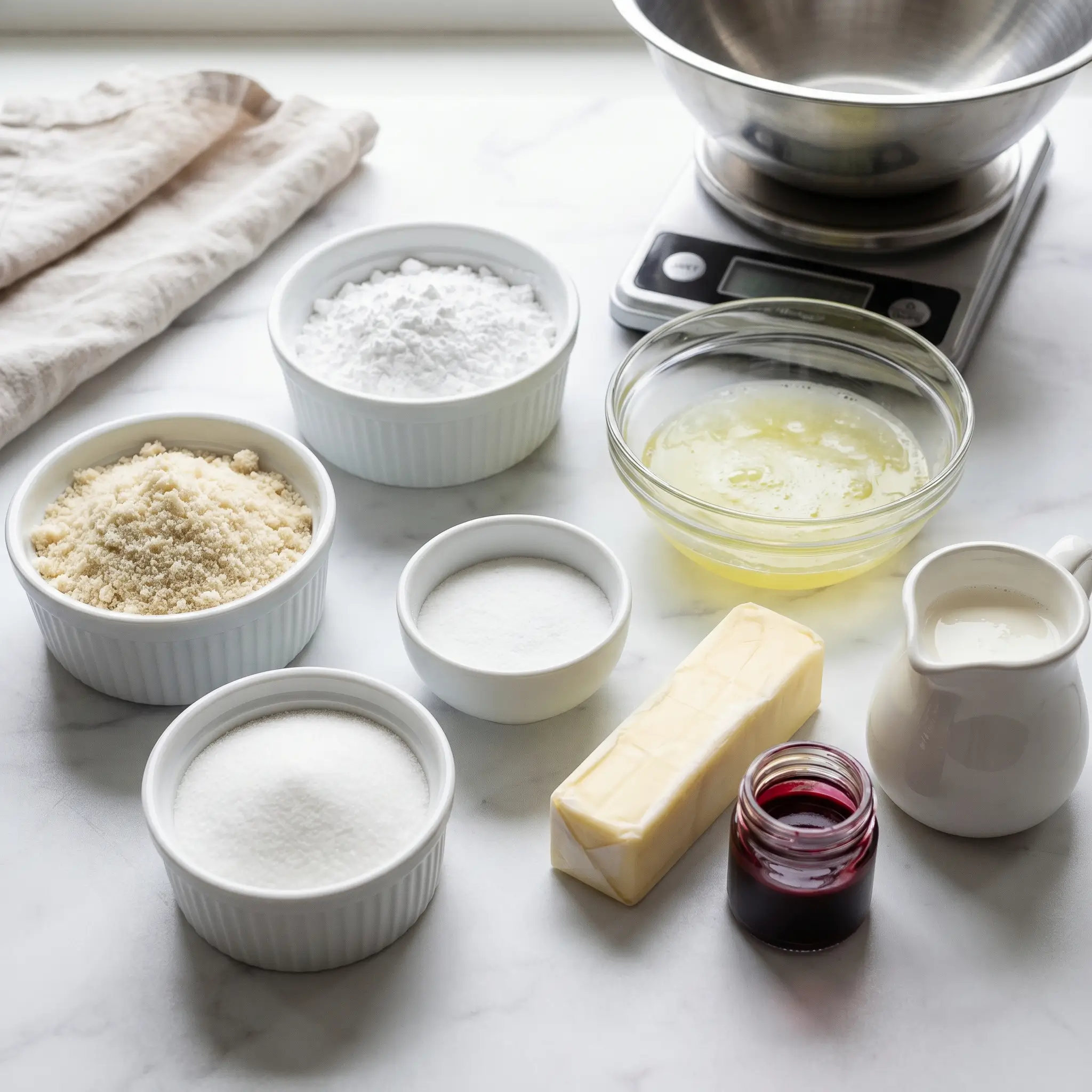
Gather these simple ingredients before you start. Precision is everything with macarons, so weigh each one with a kitchen scale for best results.
For the Macaron Shells :
- 100g almond flour (finely ground and sifted)
- 100g powdered sugar (also sifted)
- 75g egg whites (aged at room temperature for 24 hours)
- 75g granulated sugar
- 1/4 tsp cream of tartar (optional but stabilizing)
- Gel food coloring of your choice
For the Basic Buttercream Filling :
- 115g unsalted butter, softened
- 230g powdered sugar
- 2 tbsp heavy cream
- 1 tsp vanilla extract
Substitution Tips : If almond flour is unavailable, try sunflower seed flour for a nut-free version. Aquafaba (chickpea brine) can replace egg whites for a vegan-friendly batch at a 1:1 ratio.
Timing
Timing Breakdown
The Stable Macaron Method for Beginners takes approximately 75 minutes total — about 15 minutes faster than many traditional recipes thanks to its streamlined process.
Step-by-Step Instructions
Step 1 : Age and Weigh Your Egg Whites
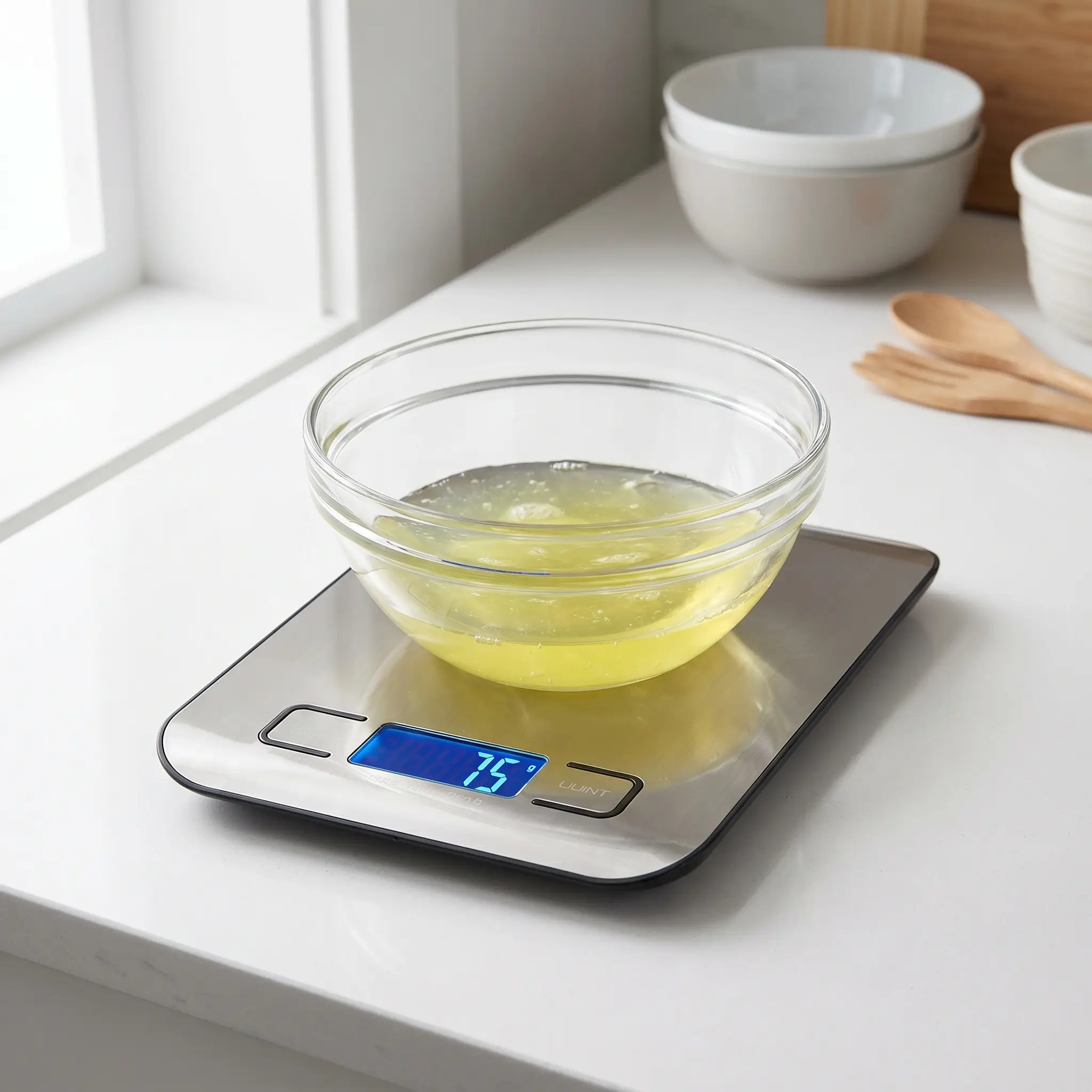
Separate your egg whites 24 hours ahead of time and leave them uncovered in the fridge. Bring them to room temperature 1 hour before baking. This reduces moisture in the whites, giving your shells a more stable structure. Weigh all ingredients precisely using a digital scale.
Step 2 : Sift and Combine Dry Ingredients
Sift together the almond flour and powdered sugar at least twice. Discard any large pieces that do not pass through the sifter. This step is critical for smooth, lump-free macaron tops. Combine the sifted mixture in a large bowl and set aside.
Step 3 : Whip the Perfect Meringue
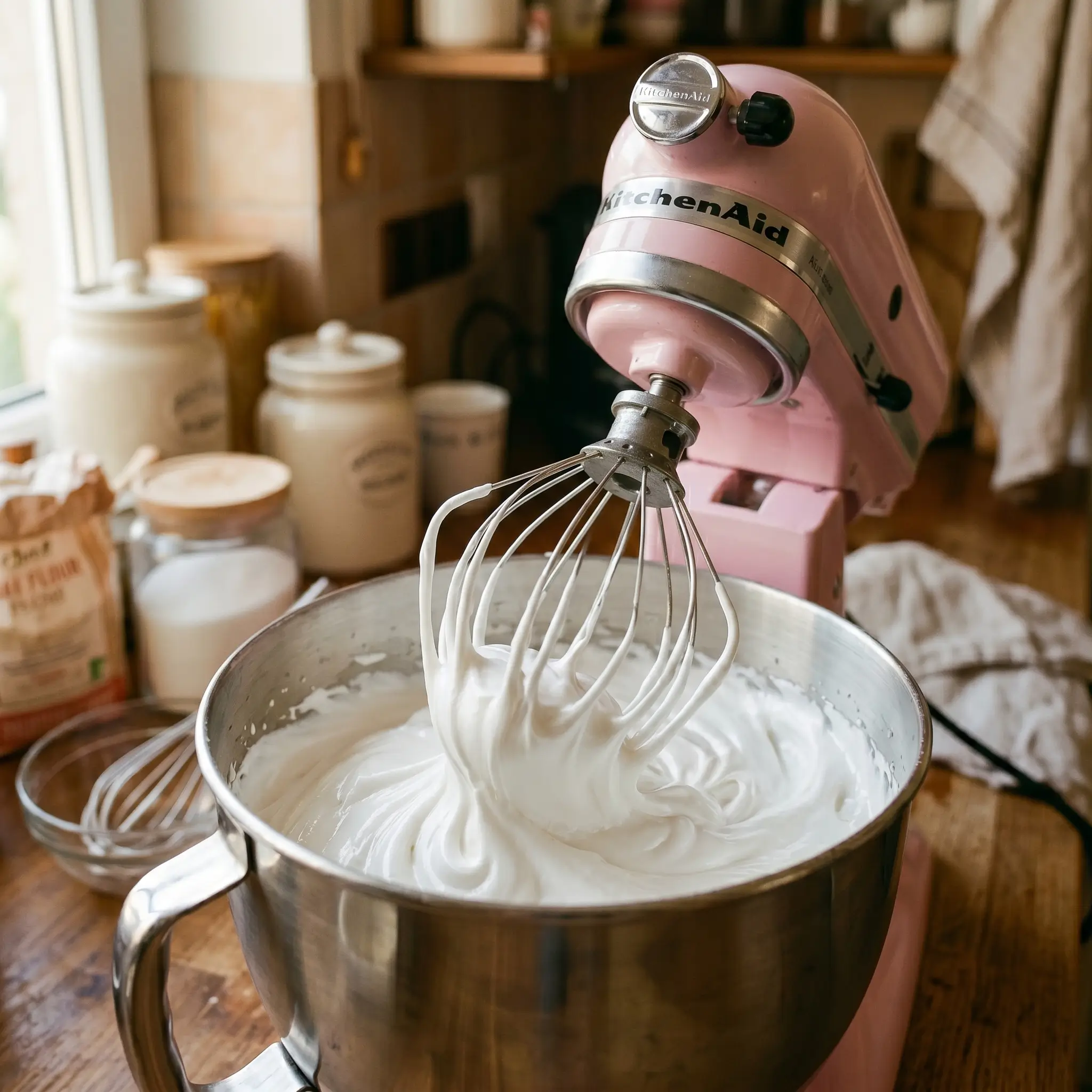
Using a stand mixer or hand mixer, whip the room-temperature egg whites on medium speed. Once foamy, add the cream of tartar. Gradually add the granulated sugar, one tablespoon at a time, while increasing speed to high. Whip until stiff, glossy peaks form. Add gel food coloring at this stage. A properly whipped meringue is the backbone of the Stable Macaron Method for Beginners .
Step 4 : Master the Macaronage Technique
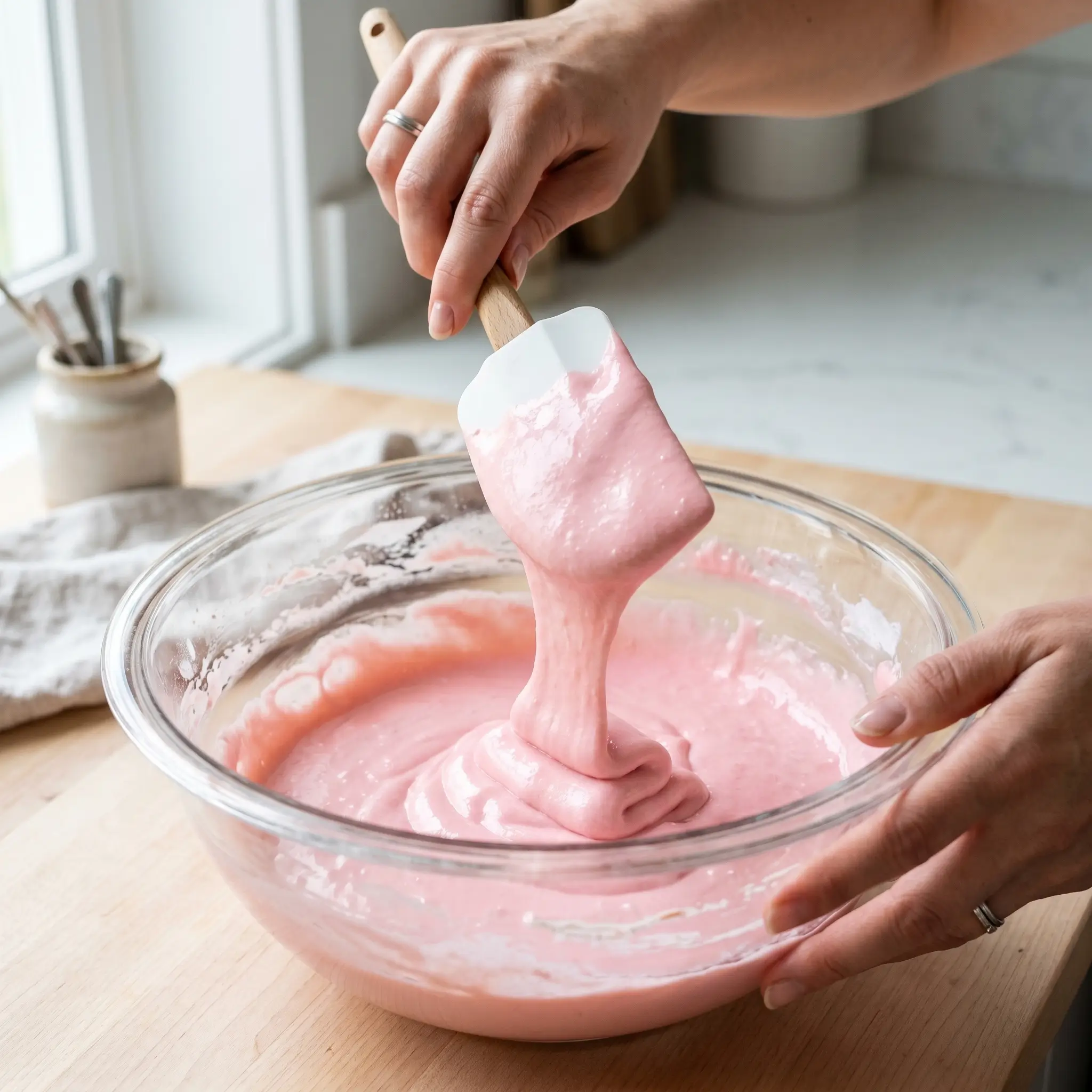
Fold the dry ingredients into the meringue in three additions using a flexible spatula. Use a sweeping fold-and-press motion along the bowl sides. You are looking for a lava-like consistency. The batter should flow off your spatula in a thick ribbon and dissolve back into itself within 10 seconds. Under-mixed batter leads to cracked tops; over-mixed batter spreads too flat.
Step 5 : Pipe Your Shells
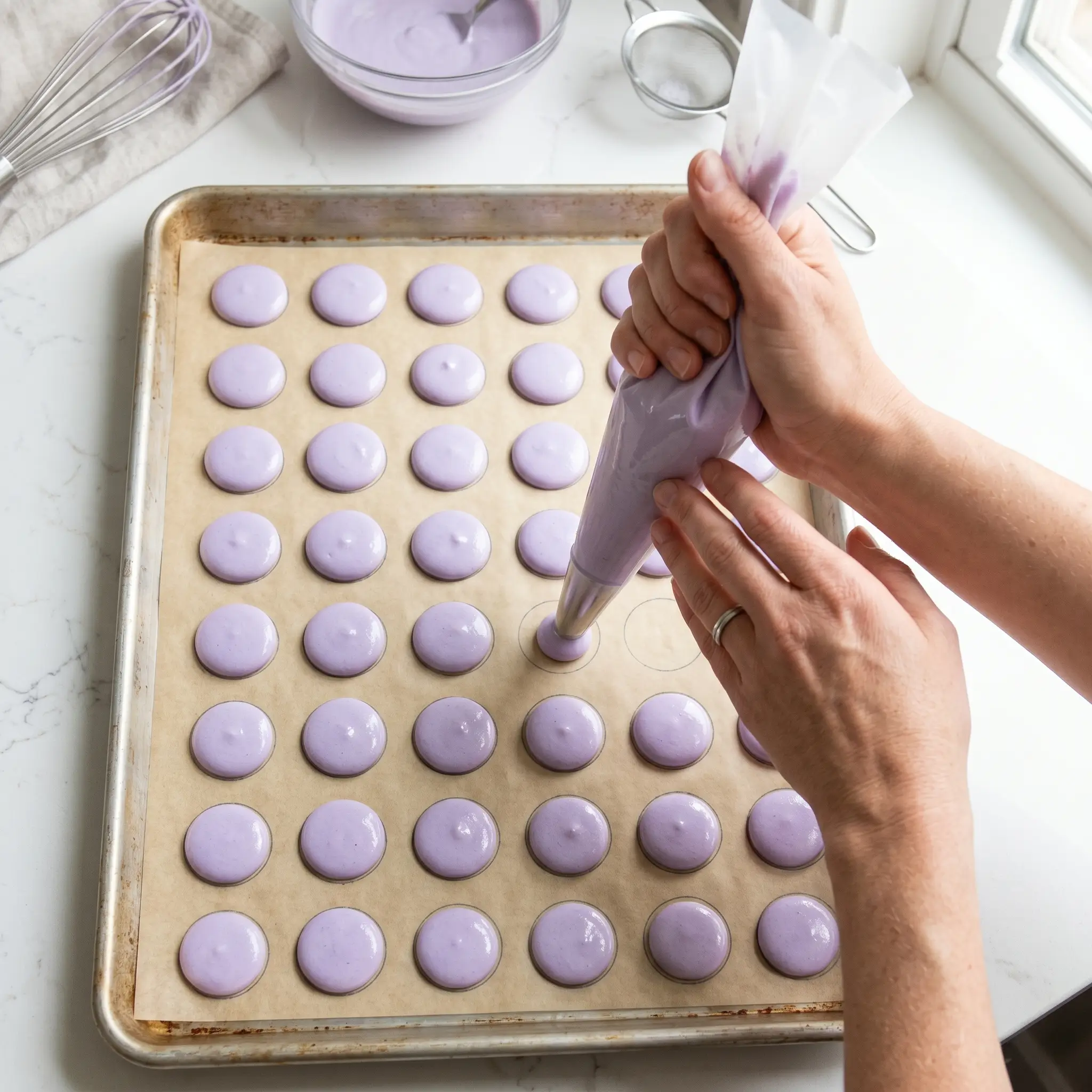
Transfer the batter into a piping bag fitted with a round tip (size 10 or 12). Pipe 3.5cm rounds onto a parchment-lined baking sheet, holding the bag at a 90-degree angle. After piping, firmly tap the pan on the counter 5 to 6 times to release air bubbles. Pop any visible bubbles with a toothpick.
Step 6 : Rest the Shells Before Baking
Let the piped shells rest uncovered at room temperature for 25 to 40 minutes. You will know they are ready when they form a dry skin. Lightly touching the surface should not leave any batter on your fingertip. This skin is what creates the signature macaron foot during baking. Skipping this step is one of the most common beginner mistakes.
Step 7 : Bake Low and Steady
Preheat your oven to 150C (300F) and bake one tray at a time on the center rack for 14 to 15 minutes. Avoid opening the oven during the first 10 minutes. Once baked, let the shells cool completely on the pan before removing. Fill with buttercream, sandwich two shells together, then refrigerate the filled macarons overnight before serving. This resting period (called maturing) allows the flavors to deepen beautifully.
Nutritional Information
Healthier Alternatives for the Recipe
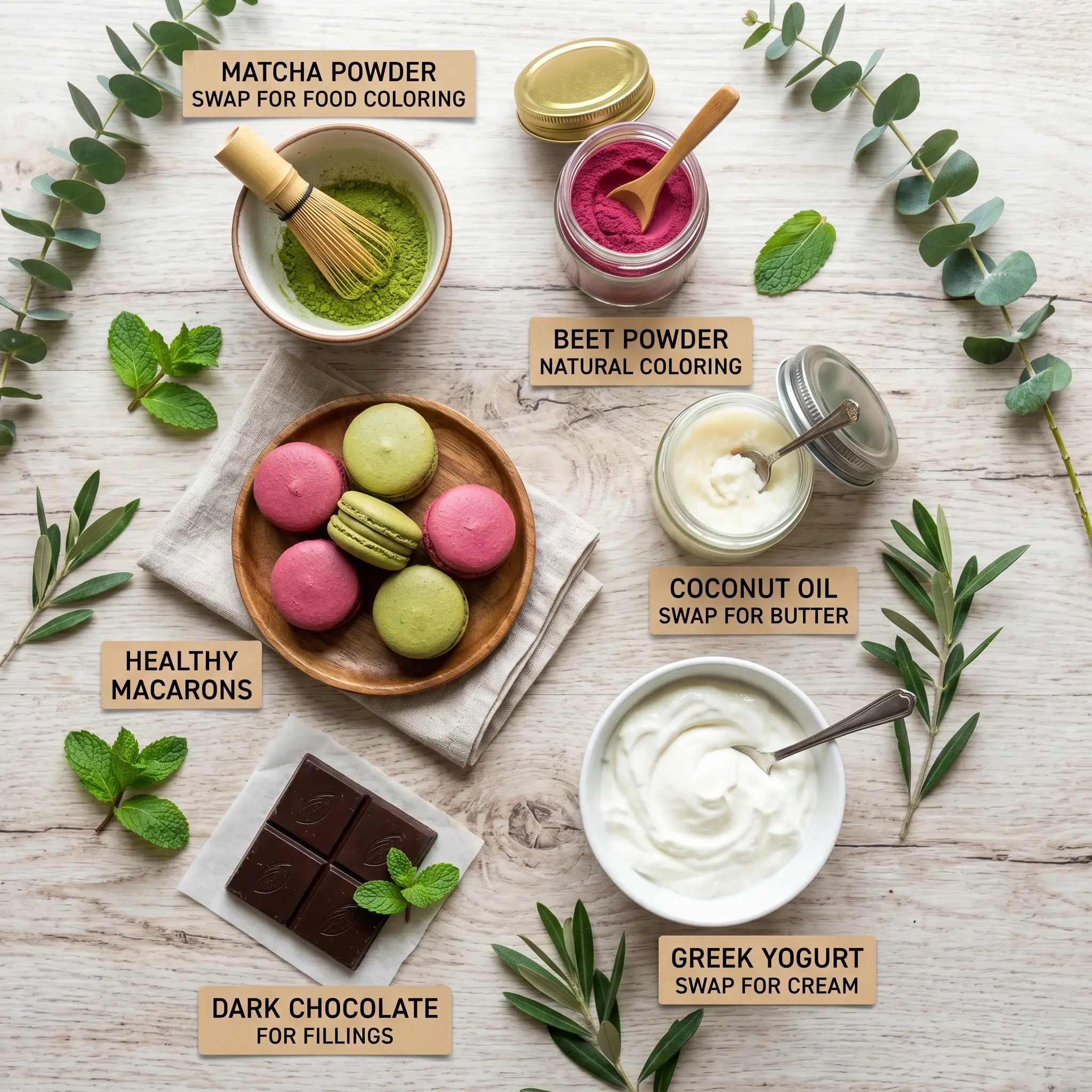
Want to enjoy macarons with a nutritional twist ? Try these easy swaps :
- Reduce sugar in the filling by using a Greek yogurt-based frosting instead of buttercream.
- Swap butter for coconut oil in the filling for a dairy-free option.
- Use natural food coloring (beet powder for pink, matcha for green) to avoid artificial dyes.
- Fill with dark chocolate ganache for an antioxidant boost and richer flavor.
- For low-carb bakers, experiment with a small substitution of almond flour with extra-fine coconut flour, keeping the ratio at 80/20.
Serving Suggestions
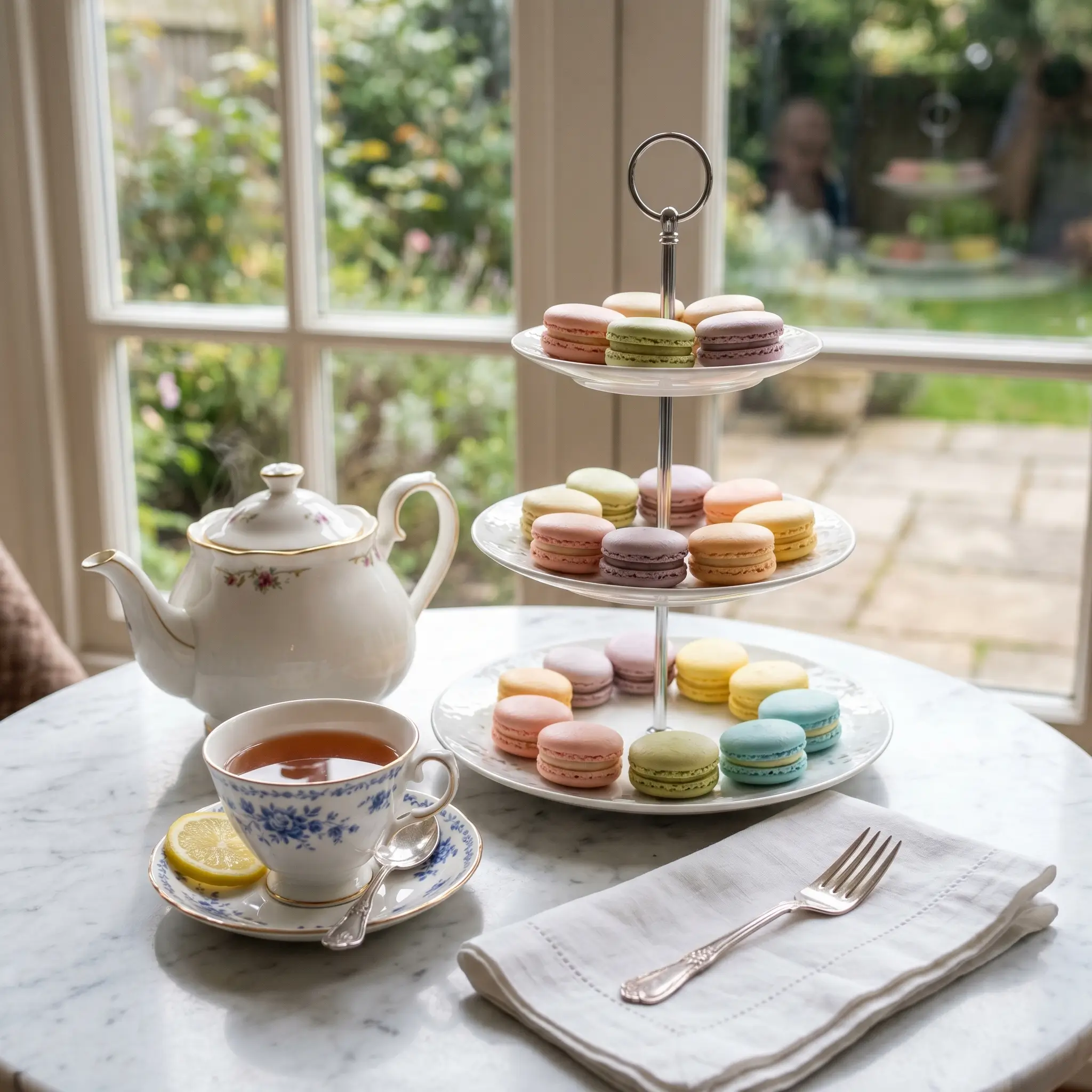
Macarons are as versatile as they are beautiful. Here are some delightful ways to present and enjoy them.
Stack them beautifully on a tiered stand for parties, bridal showers, or elegant afternoon tea.
Package in clear gift bags or boxes with a pretty ribbon — perfect for homemade presents and favors.
Serve with Earl Grey tea or a fresh French press coffee for a refined flavor combination.
Use as stunning decorative toppers on buttercream cakes for a professional bakery look.
Create a dramatic macaron tower for weddings, baby showers, birthdays, or milestone celebrations.
Common Mistakes to Avoid
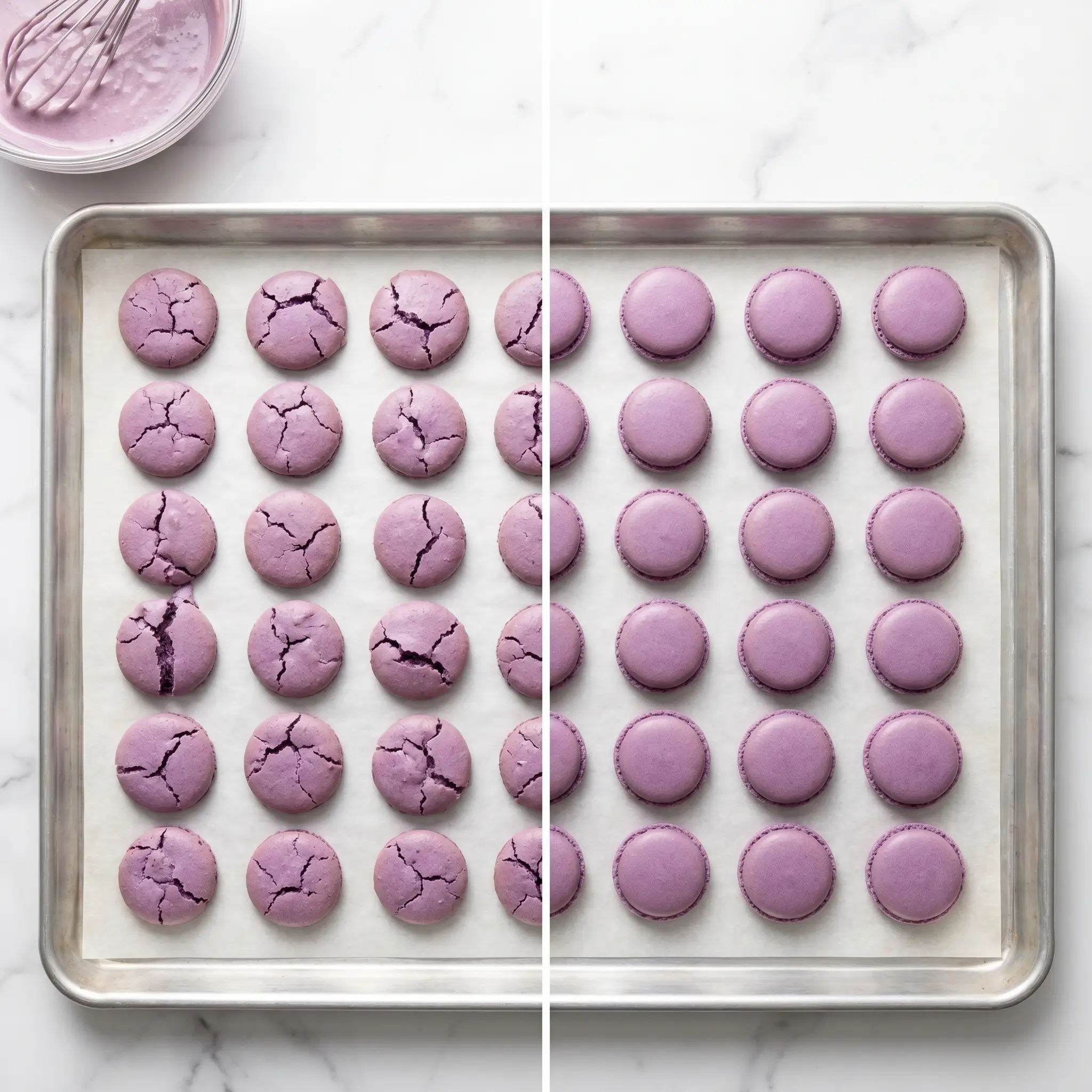
Even with the Stable Macaron Method for Beginners, these small errors can affect your results. Here’s what to watch out for:
Cold egg whites whip unevenly and struggle to reach stiff, glossy peaks. Always bring your egg whites to room temperature before starting.
Lumpy almond flour and powdered sugar lead to bumpy, rough shell tops. Sift the dry ingredients together twice for smooth shells.
Over-mixed batter becomes too runny and spreads into flat puddles. Stop folding as soon as the batter flows like lava.
Uneven heat distribution causes inconsistent results. Bake one tray at a time in the center of the oven.
Without a dry skin on top, the shells won’t develop proper “feet.” Rest for 25–40 minutes until they feel dry to the touch.
A sudden drop in temperature causes cracked or hollow shells. Keep the oven door closed for the entire baking time.
Storing Tips for the Recipe
Macaron Storage Guide
Proper storage is essential to maintain freshness, texture, and flavor.
Unfilled Macaron Shells
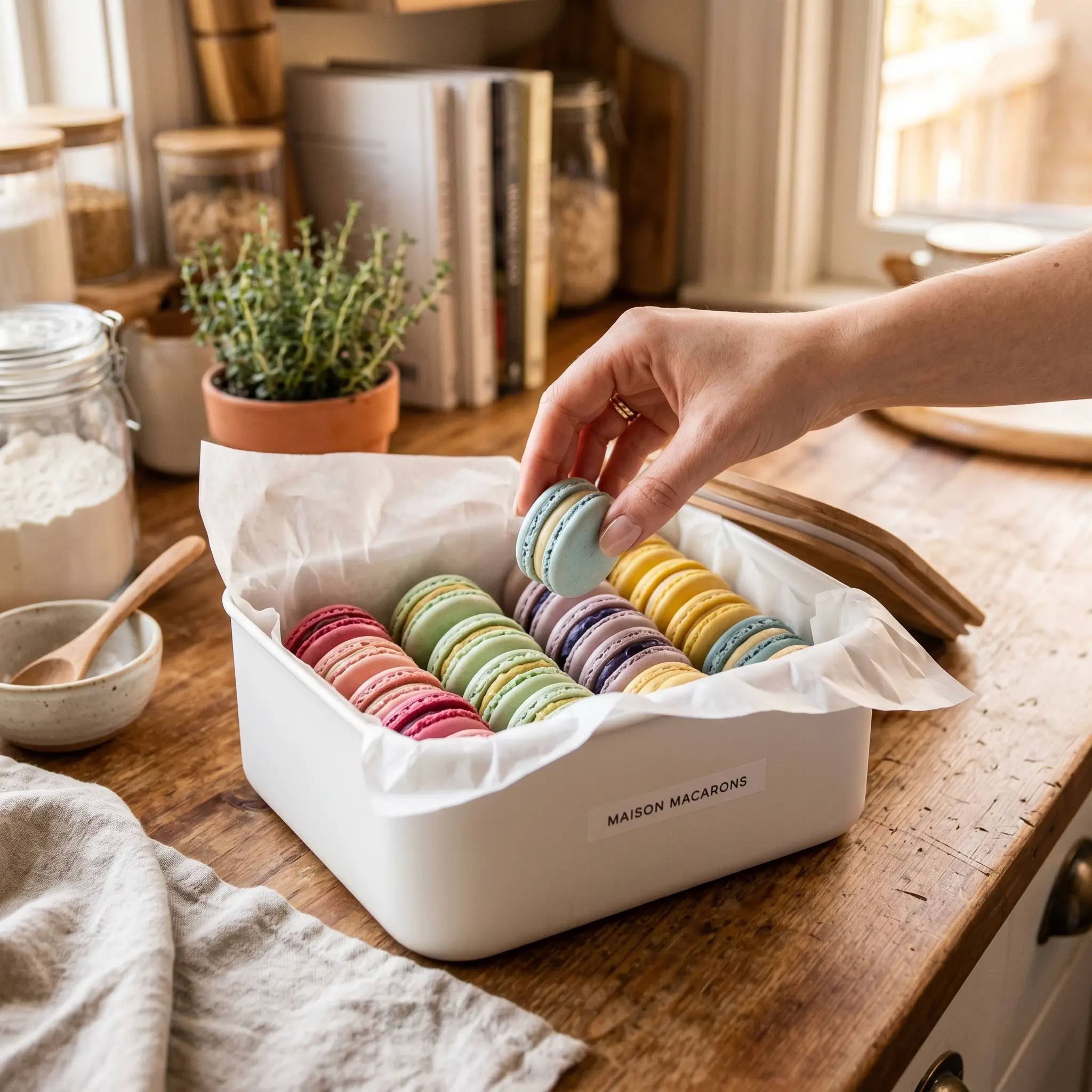
Store in an airtight container at room temperature, away from direct light and strong smells.
Unfilled Macaron Shells (Frozen)
Freeze in an airtight container with parchment paper between layers.
Filled Macarons
Keep in an airtight container in the refrigerator. Mature for at least 12 hours before eating for best texture and flavor.
Freezing Filled Macarons
Flash freeze on a baking sheet in a single layer, then transfer to a freezer bag or airtight container. Thaw overnight in the fridge.
Conclusion
The Stable Macaron Method for Beginners proves that you do not need years of pastry school to make flawless macarons. By following these 7 focused steps, including aging your egg whites, nailing the macaronage technique, and letting your shells rest properly, you are setting yourself up for success from batch one.
Now it is your turn! Try this foolproof macaron method this weekend and share your results in the comments. Did you nail the feet? Did you try a fun flavor combination? We would love to hear about it. And if you enjoyed this guide, explore more beginner-friendly baking tutorials on RecipeTastyBites.com.
Recipe Card
Stable Macaron Method for Beginners
Ingredients
Macaron Shells
- 100g almond flour
- 100g powdered sugar
- 75g aged egg whites
- 75g granulated sugar
Buttercream Filling
- 115g butter, softened
- 230g powdered sugar
- 2 tbsp heavy cream
- 1 tsp vanilla extract
Method
- Age egg whites 24 hours, bring to room temperature.
- Sift and combine almond flour and powdered sugar.
- Whip meringue to stiff glossy peaks.
- Fold dry into meringue (macaronage) to lava consistency.
- Pipe 3.5cm rounds, tap pan to release bubbles.
- Rest shells 25–40 minutes until skin forms.
- Bake at 150°C for 14–15 minutes. Cool, fill, and mature overnight.
FAQs
Why do my macarons crack on top ?
- Cracked tops are usually caused by skipping the resting step or baking at too high a temperature. Make sure shells form a dry skin before baking and keep your oven at 150C (300F).
Can I make macarons without a stand mixer ?
- Yes! A hand mixer works perfectly well. The key is to whip to stiff, glossy peaks, which takes about 8 to 10 minutes on high speed.
Why do my macarons have no feet ?
- No feet usually means the shells did not rest long enough, or the oven was not preheated properly. The dry skin and correct baking temperature are both essential for developing that iconic foot.
Can I use regular food coloring instead of gel ?
- Liquid food coloring adds moisture to the batter and can throw off the consistency. Stick to gel food coloring for the most reliable results.
How do I know when macarons are done baking ?
- Gently nudge a shell sideways. If it wiggles, it needs a few more minutes. A fully baked macaron will feel set and not wobble at all.
Can I freeze macaron shells ahead of time ?
- Absolutely. Unfilled macaron shells freeze beautifully for up to a month. Store them in an airtight container and thaw at room temperature before filling.
Your Feedback Helps Us Grow!
There are no reviews yet. Be the first one to write one.