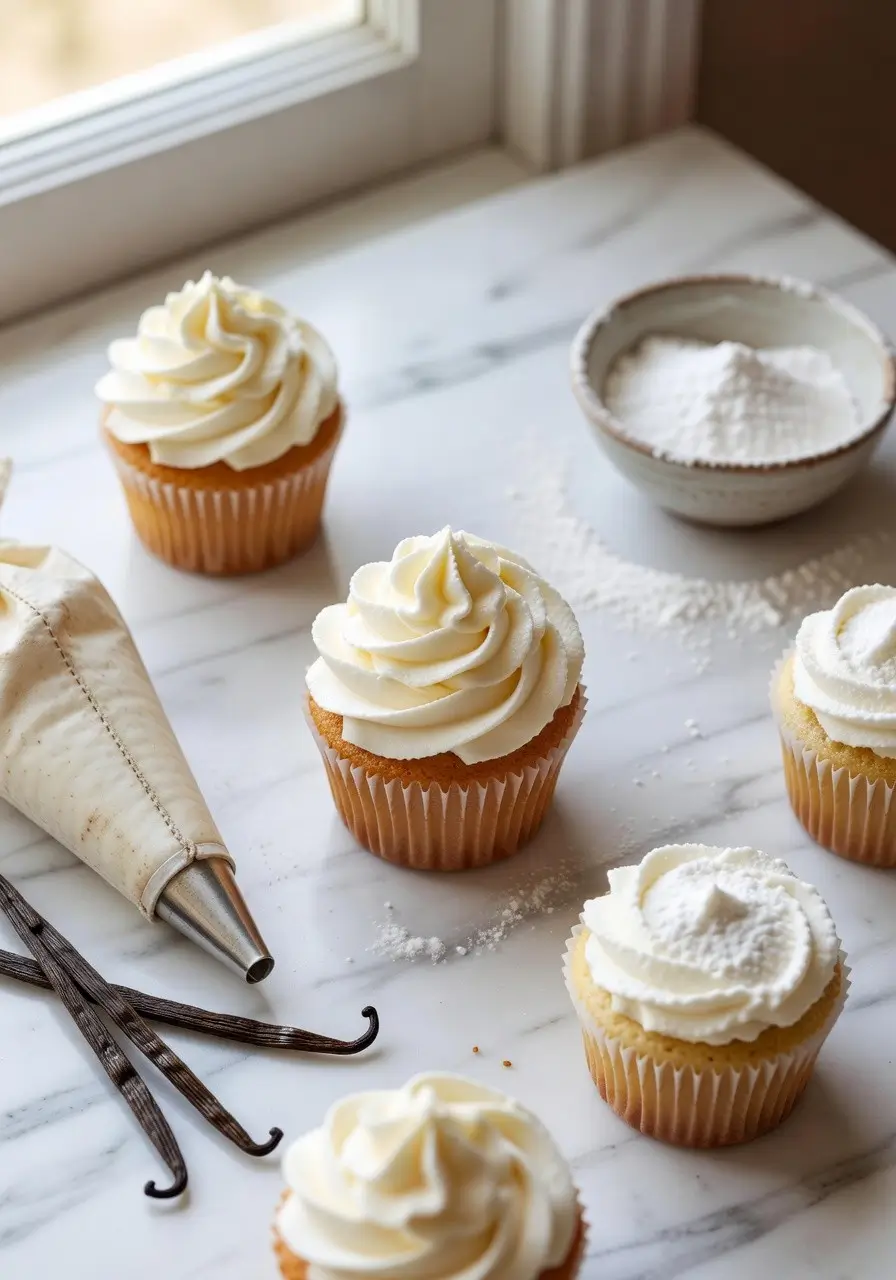
Buttercream Icing Recipe – Fluffy, Creamy & Easy to Make
Table of Contents
The Secret to Bakery-Worthy Buttercream at Home
Did you know that over 72% of home bakers say frosting is the hardest part of decorating a cake — yet the most searched buttercream icing recipe online takes less than 10 minutes to make? If you have ever stared at a beautifully frosted cake in a bakery window and wondered how they get it so impossibly smooth and fluffy, the answer is simpler than you think. This easy buttercream icing recipe is the one you have been looking for — no fancy equipment, no hard-to-find ingredients, and absolutely no experience required.
Whether you are frosting a birthday cake, piping rosettes on cupcakes, or simply looking for a homemade buttercream icing recipe that actually tastes as good as it looks, this guide has you covered. By the end of this post, you will have a go-to fluffy buttercream icing recipe for cupcakes and cakes that rivals anything from a professional bakery.
Ingredients
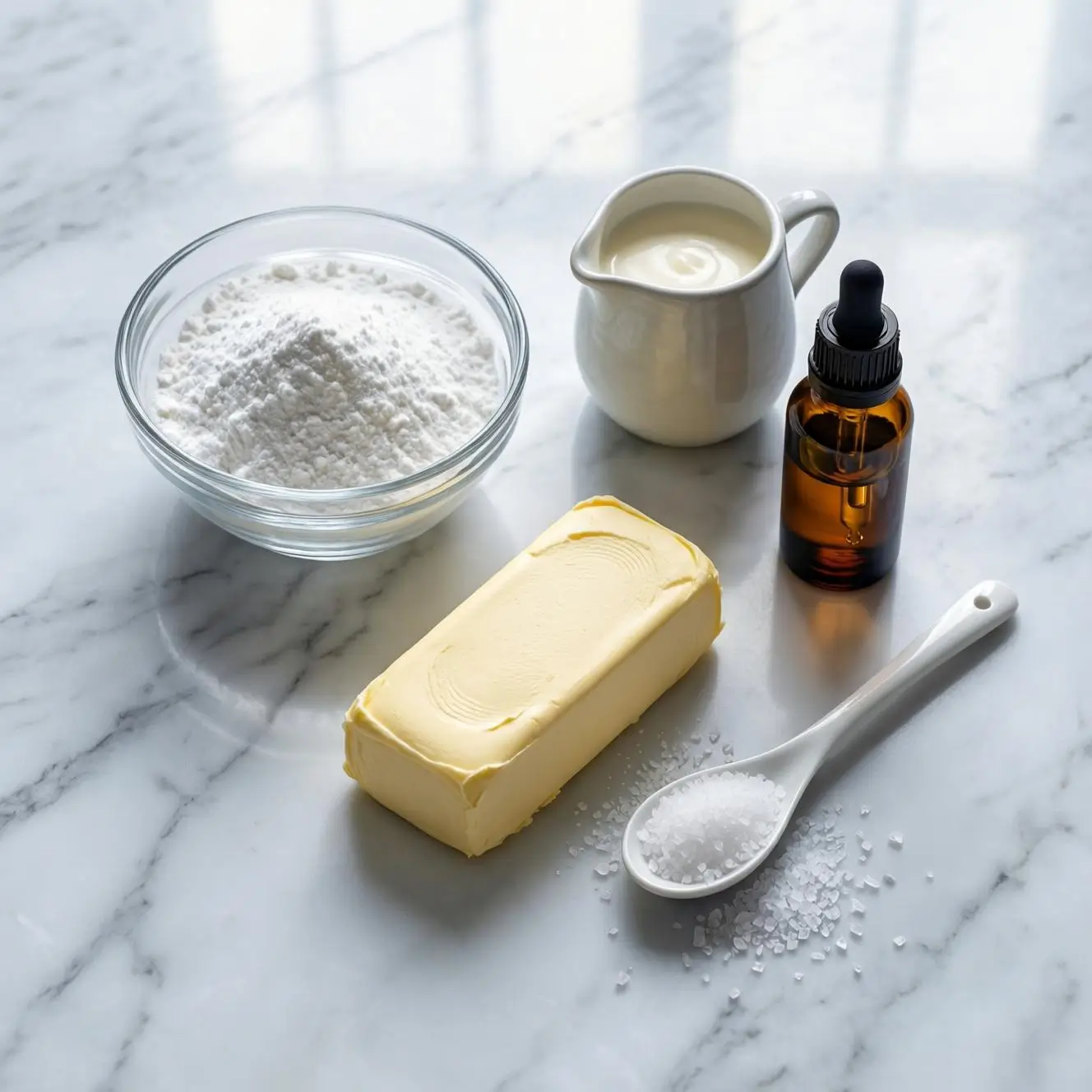
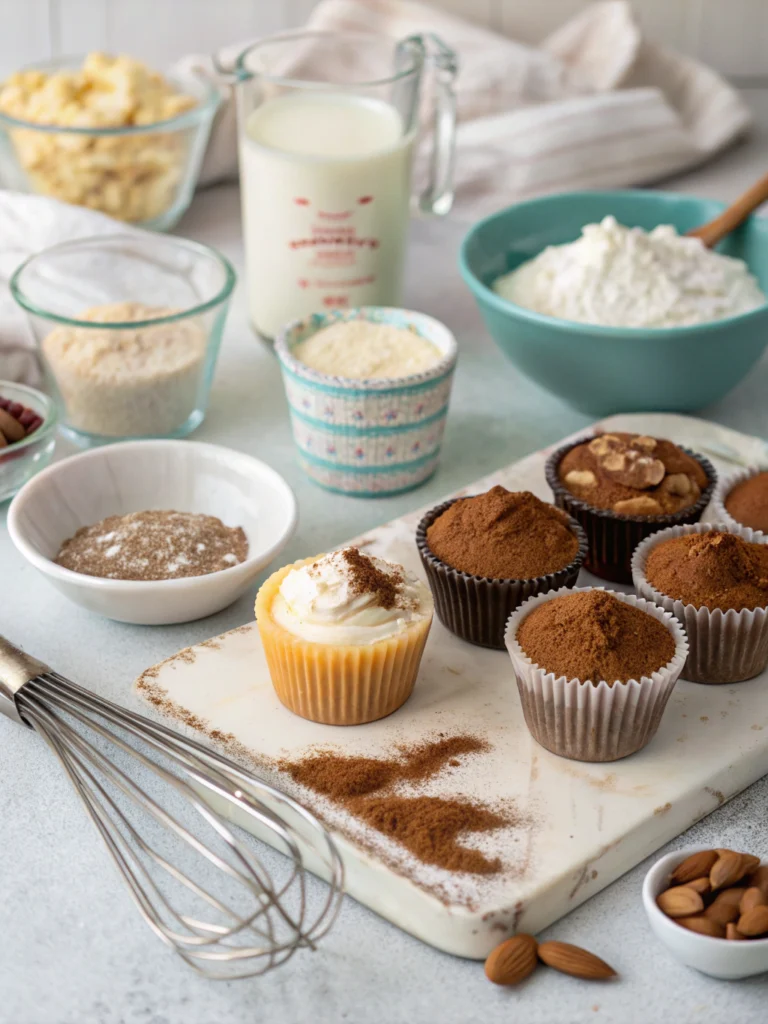
Here is everything you need for the best buttercream icing recipe for cakes and cupcakes. Each ingredient plays a critical role in achieving that signature light, creamy texture.
Core Ingredients :
- 1 cup (230g) unsalted butter, softened to room temperature
- 3 to 4 cups (360–480g) powdered sugar, sifted
- 3 to 4 tablespoons heavy cream or whole milk
- 1 teaspoon pure vanilla extract
- A pinch of salt
Smart Substitutions :
- Butter — use high-fat European-style butter for an even richer, creamier result
- Heavy cream — swap with coconut cream for a dairy-free version
- Vanilla extract — try almond, lemon, or peppermint extract for a flavor twist
- Powdered sugar — use a blender to pulse regular granulated sugar until fine if you run out
Timing
| Step | Time Required |
|---|---|
| Preparation Time | 5 minutes |
| Mixing Time | 5 minutes |
| Total Time | 10 minutes |
Step-by-Step Instructions
Step 1 : Soften Your Butter Properly
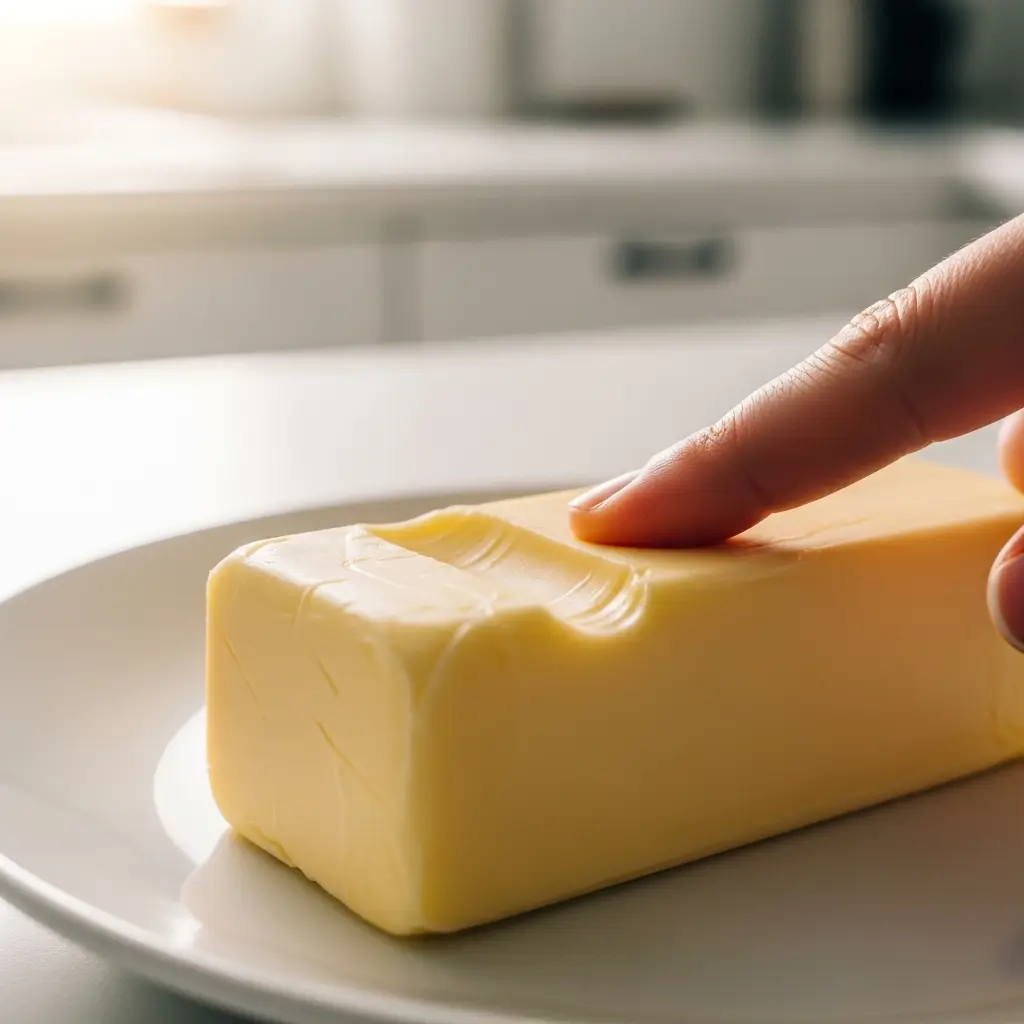
Start with butter that has been left at room temperature for at least 30 to 45 minutes. Properly softened butter should leave a slight indent when you press your finger into it but should not be greasy or melted. This step is non-negotiable : cold butter will result in lumpy frosting, while melted butter creates a soupy mess. Pro tip: cut the butter into cubes to speed up softening.
Step 2 : Beat the Butter Until Pale and Fluffy
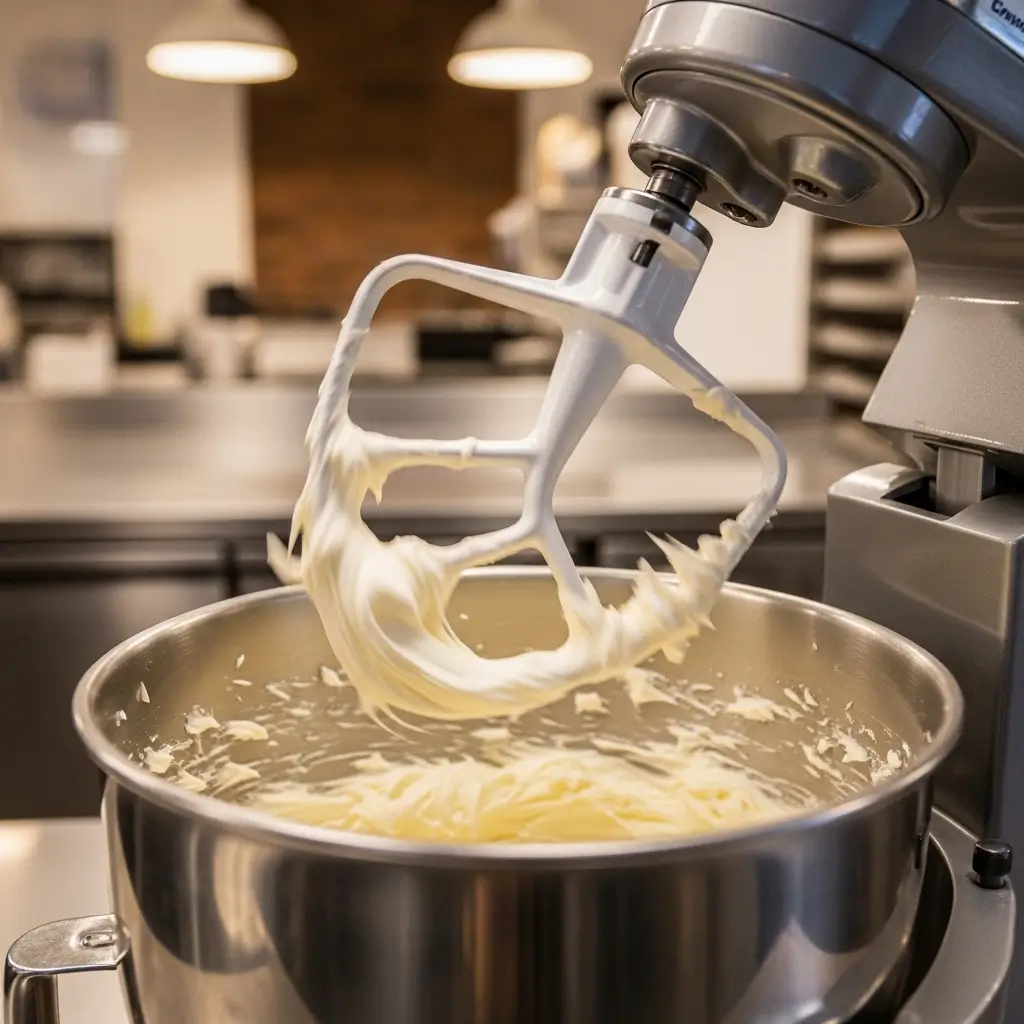
Using a stand mixer fitted with the paddle attachment (or a hand mixer), beat the softened butter on medium-high speed for 3 to 4 full minutes. Stop and scrape down the sides halfway through. You are looking for the butter to turn from yellow to a very pale, almost white color and increase slightly in volume. This aeration step is the secret behind a truly fluffy buttercream icing.
Step 3 : Add the Powdered Sugar Gradually
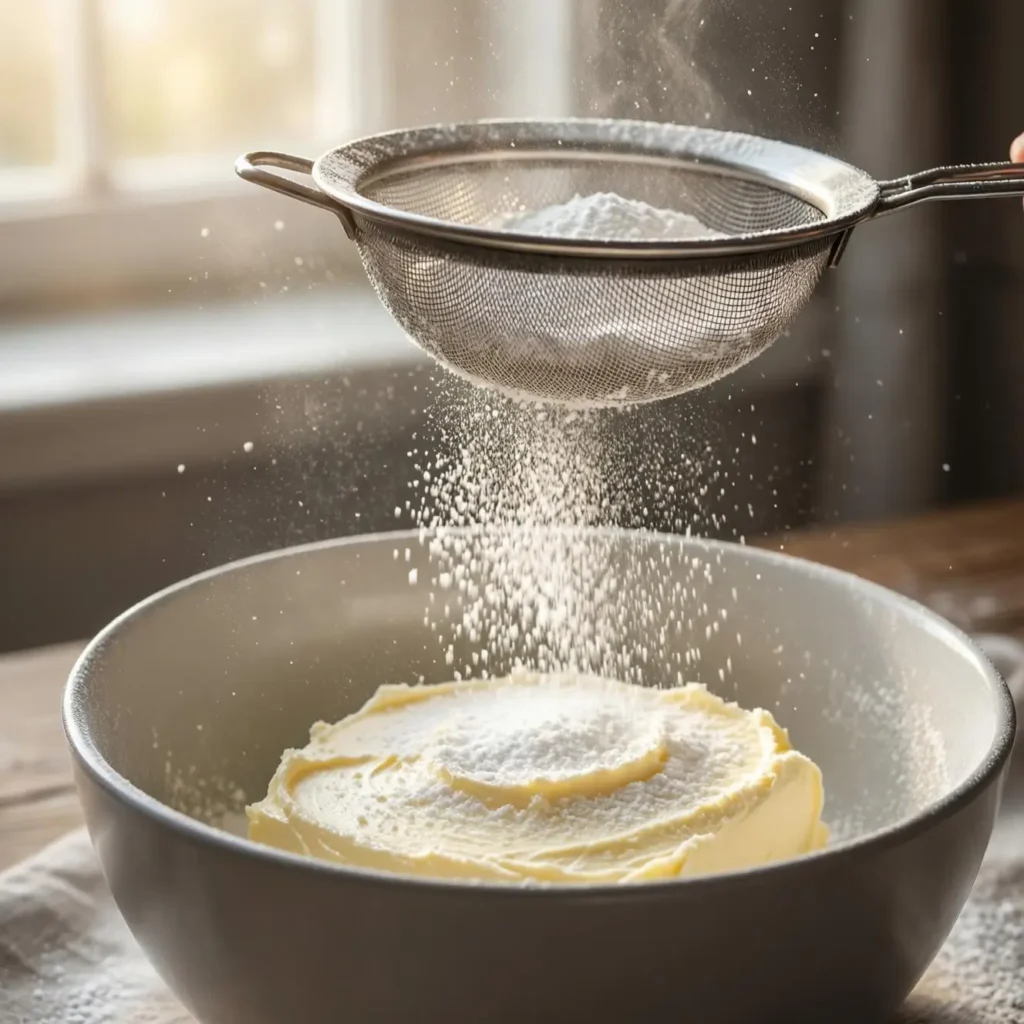
Reduce the mixer to its lowest speed and add the sifted powdered sugar one cup at a time. Adding it all at once creates a sugar cloud in your kitchen and can cause the mixture to seize. Once each cup is incorporated, increase speed briefly before adding the next. After all the sugar is in, beat on medium for 1 minute.
Step 4 : Add Cream, Vanilla, and Salt
With the mixer on low, add 3 tablespoons of heavy cream, the vanilla extract, and the pinch of salt. Increase to medium-high and beat for another 2 minutes. The cream loosens the frosting and the salt balances the sweetness — do not skip it. If your buttercream seems too thick, add an extra tablespoon of cream. Too thin? Add more powdered sugar a tablespoon at a time.
Step 5 : Adjust Consistency and Use
Give your buttercream a final taste and texture check. For piping, you want a stiffer consistency — add less cream. For spreading smoothly over a layer cake, a slightly looser texture works better. Use immediately or cover tightly and store per the instructions below.
Nutritional Information
| Nutrient | Per Serving (2 tbsp) |
|---|---|
| Calories | 180 kcal |
| Total Fat | 9 g |
| Saturated Fat | 5.5 g |
| Cholesterol | 23 mg |
| Sodium | 35 mg |
| Total Carbohydrates | 26 g |
| Sugars | 25 g |
| Protein | 0.1 g |
Note: Buttercream icing is an indulgent treat best enjoyed in moderation. The fat content primarily comes from butter, which provides fat-soluble vitamins including Vitamins A, D, E, and K. Nutritional values may vary depending on ingredient brands and exact quantities used.
Healthier Alternatives for the Recipe
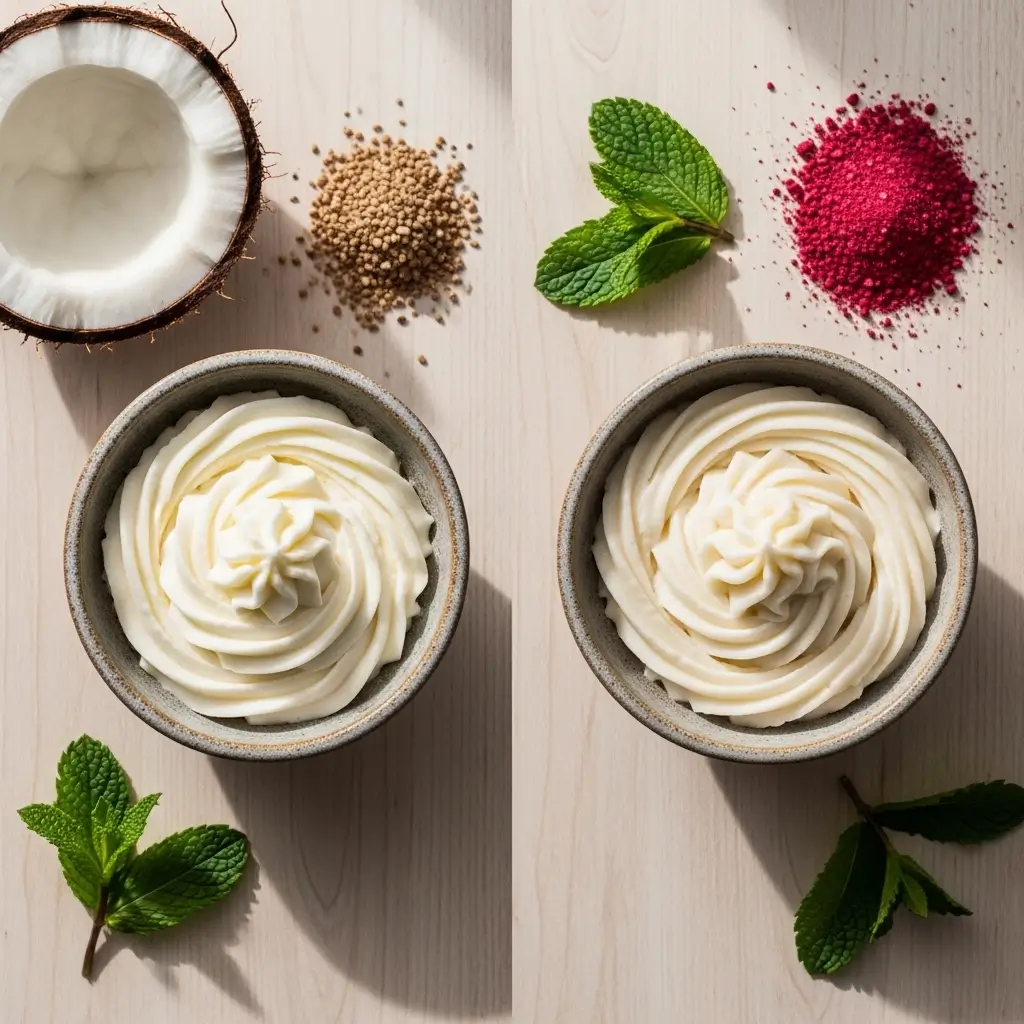
Want to enjoy this homemade buttercream icing recipe with a lighter nutritional profile? Here are some smart swaps that keep the flavor intact while reducing calories or accommodating dietary needs :
- Reduced sugar version : Cut powdered sugar to 2 cups and add 1 tablespoon of cornstarch to maintain structure with 30% fewer calories from sugar
- Vegan buttercream : Replace butter with vegan butter sticks (not spread) and use full-fat coconut cream; the result is remarkably similar in taste and texture
- Greek yogurt blend : Substitute half the butter with full-fat cream cheese for a tangier, protein-richer frosting that still pipes beautifully
- Natural coloring : Skip artificial food dyes and use freeze-dried berry powder, matcha, or beet powder for vibrant natural colors
- Sugar-free option : Use a powdered erythritol or monk fruit sweetener in a 1:1 ratio for a diabetic-friendly version
Serving Suggestions
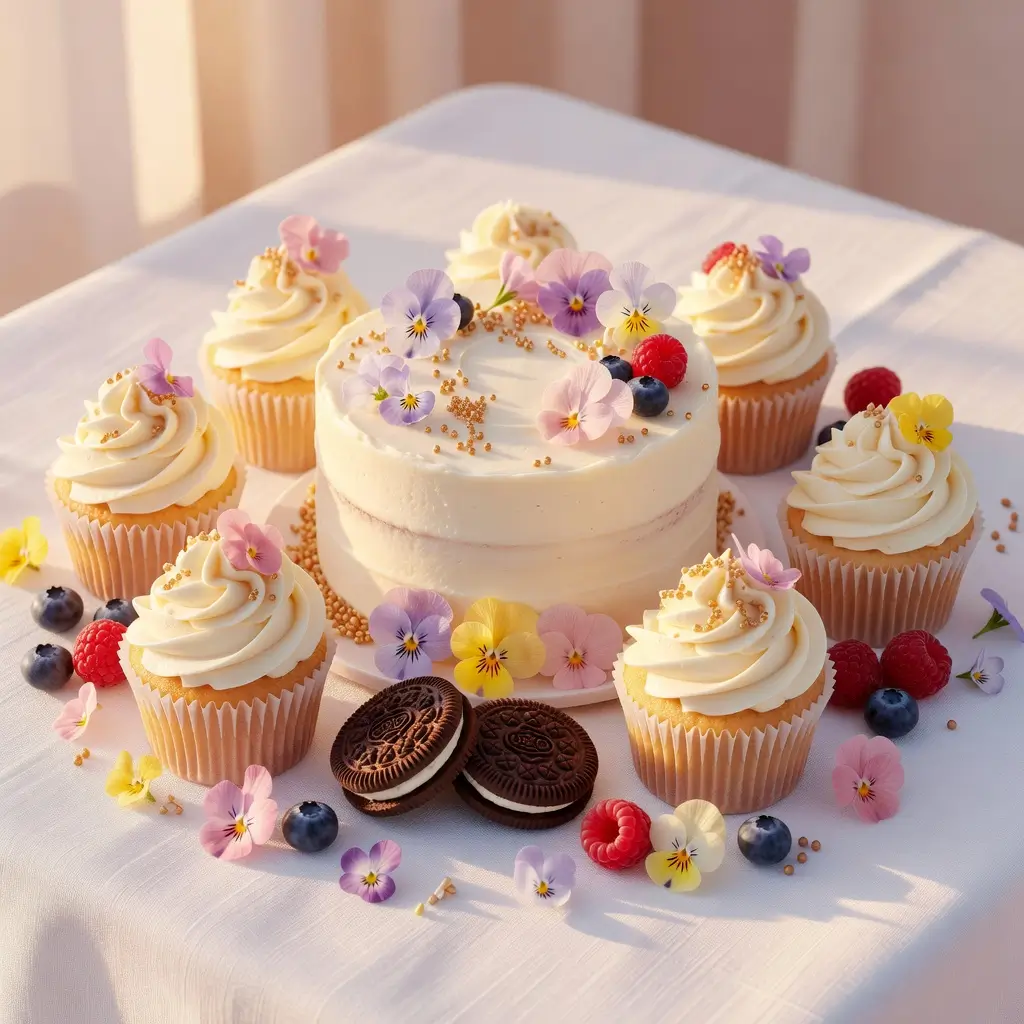
| Serving Idea | Description |
|---|---|
| Classic Vanilla Cupcakes | Pipe tall swirls of buttercream using a 1M star tip to create the iconic bakery-style cupcake look that everyone loves. |
| Layer Cakes | Use the buttercream as a filling between cake layers and apply a crumb coat before finishing with a smooth final frosting layer. |
| Sandwich Cookies | Spread a generous layer of buttercream between two chocolate cookies to create a rich and indulgent sandwich-style dessert. |
| Brownies | Add a thin layer of buttercream on top of warm brownies for a delicious contrast between the fudgy base and the creamy frosting. |
| Color and Theme | Tint the buttercream with gel food coloring to match holiday desserts, themed party cakes, or baby shower cupcakes. |
| Flavor Pairings | This buttercream pairs beautifully with lemon sponge, chocolate fudge cake, red velvet, and carrot cake. |
Common Mistakes to Avoid
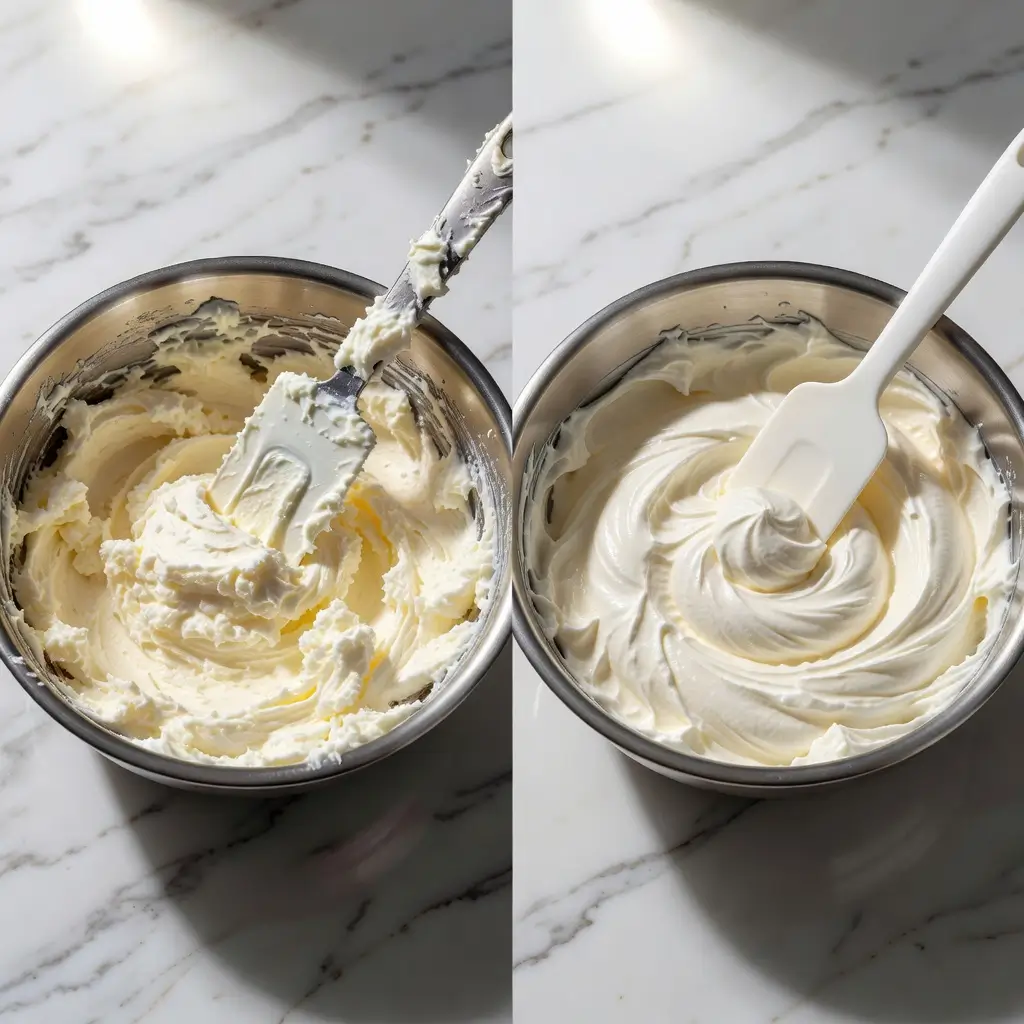
| Mistake | Why It Happens & How to Fix It |
|---|---|
| Using Cold Butter | Cold butter does not aerate properly and creates dense, curdled-looking frosting. Always start with butter at room temperature for smooth, fluffy buttercream. |
| Skipping the Sifting Step | Unsifted powdered sugar forms lumps that are very difficult to remove once mixed. Sifting ensures a silky, lump-free frosting texture. |
| Adding Too Much Liquid Too Fast | Adding cream too quickly can make frosting runny. Always add liquid one tablespoon at a time until the desired consistency is reached. |
| Under-Beating the Butter | Properly whipped butter should look pale and fluffy. Beat the butter for about 3 to 4 minutes before adding sugar to create the best buttercream base. |
| Overbeating After Adding Sugar | Once powdered sugar is incorporated, mix only until combined. Overbeating at this stage can break down the structure and affect the frosting texture. |
| Using Imitation Vanilla | Imitation vanilla lacks the depth of flavor needed for high-quality buttercream. Using pure vanilla extract significantly improves the overall taste. |
Storing Tips for the Recipe
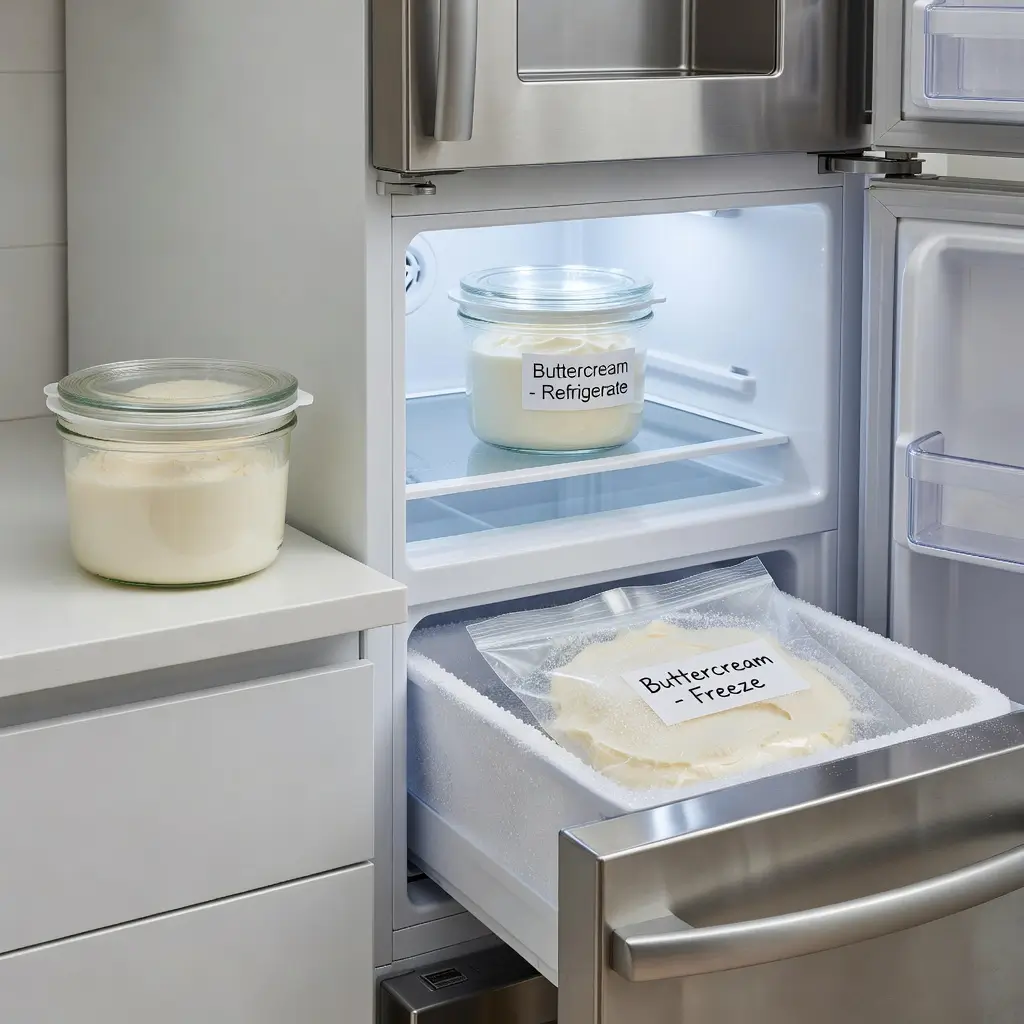
| Storage Method | How to Store Properly |
|---|---|
| Room Temperature | Finished buttercream can sit at room temperature (below 70°F / 21°C) for up to 2 days in an airtight container. If your kitchen is warm, it is safer to store it in the refrigerator. |
| Refrigerator | Store buttercream in an airtight container for up to 2 weeks. Before using, allow it to sit at room temperature for 30–45 minutes, then briefly re-beat it to restore the light and fluffy texture. |
| Freezer | Buttercream freezes very well for up to 3 months. Place it in a freezer-safe bag or container. Thaw overnight in the refrigerator, then bring it to room temperature and whip again before using. |
| Frosted Cakes and Cupcakes | Cakes or cupcakes frosted with buttercream can be kept at room temperature under a cake dome for up to 2 days, or stored in the refrigerator for up to 5 days for longer freshness. |
Conclusion
There you have it — the only buttercream icing recipe you will ever need. With just five ingredients, 10 minutes, and a few key techniques, you can create a frosting that is fluffy, creamy, stable, and absolutely delicious. Whether you are a beginner baker or a seasoned pro, this homemade buttercream icing recipe delivers consistent, bakery-quality results every single time.
Now it is your turn! Whip up a batch, frost something beautiful, and let us know how it turned out in the comments below. Did you try a fun flavor variation or a creative color? We would love to see your creations — share your photos and tag us! And if you enjoyed this recipe, explore our related posts on Swiss Meringue Buttercream, Cream Cheese Frosting, and Chocolate Ganache for even more frosting inspiration.
Frequently Asked Questions
Q: Why is my buttercream icing grainy ?
- A grainy texture is almost always caused by unsifted powdered sugar. Always sift your sugar before adding it to the butter. If your buttercream is already grainy, try adding an extra tablespoon of cream and beating on high for 2 more minutes — this often smooths it out.
Q: Can I make buttercream icing without powdered sugar ?
- Yes! You can make a cooked flour-based buttercream (also called ermine frosting) using granulated sugar, flour, milk, and butter. It is less sweet and has a silkier texture. However, for this specific easy buttercream icing recipe, powdered sugar is recommended for the best results.
Q: How do I make my buttercream icing white ?
- Use clear vanilla extract instead of pure vanilla (which adds a yellow tint), and beat the butter thoroughly until very pale before adding sugar. You can also add a very small amount of purple or white gel food coloring to counteract the yellow tone.
Q: Can this buttercream icing recipe be used for piping ?
- Absolutely. For piping, use 3 tablespoons of cream for a medium consistency that holds its shape well. For intricate details like flowers or ruffles, use only 2 tablespoons of cream for a stiffer frosting that maintains sharp edges.
Q: How much buttercream icing do I need for a two-layer cake ?
- This recipe (as written) yields approximately 3 cups of frosting, which is enough to fill and frost a standard two-layer 8-inch cake with a moderate layer of frosting. For a three-layer cake or a heavily frosted style, double the recipe.
Q: My buttercream looks curdled — how do I fix it ?
- Curdled buttercream is typically caused by temperature differences between ingredients. Simply keep beating — within 3 to 5 minutes, the emulsion will come back together. If it does not, gently warm the bowl by placing it over a pot of warm water for 10 seconds, then beat again.
Your Feedback Helps Us Grow!
There are no reviews yet. Be the first one to write one.