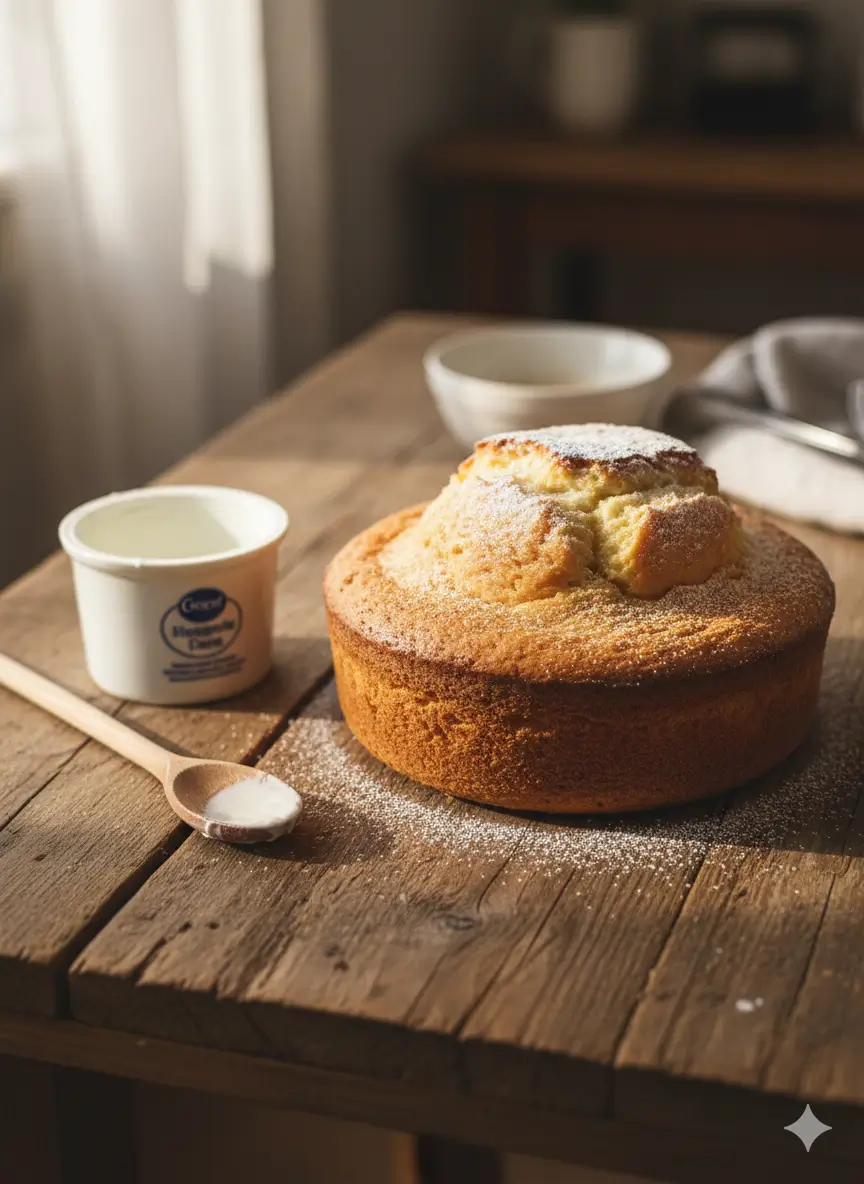
Easy Yoghurt Pot Cake: 5 Simple Steps to Baking Perfection
Table of Contents
Introduction
Did you know that over 68% of home bakers abandon recipes halfway through because they find measuring ingredients too complicated or don’t have kitchen scales? Enter the easy yoghurt pot cake , a ingenious French dessert that eliminates this problem entirely. This delightful cake, known in France as gâteau au yaourt, uses the empty yoghurt container as your only measuring tool, making it perfect for beginner bakers, busy parents, and anyone who wants a foolproof dessert without the fuss. Originally created as a simple recipe French children could make independently, this moist, tender cake has become a beloved staple in kitchens worldwide. With just five straightforward steps and minimal equipment, you’ll have a golden, fluffy cake that rivals any bakery creation. Whether you’re looking for a quick weeknight dessert or want to introduce young ones to the joy of baking, this yogurt pot cake recipe delivers impressive results every single time.
Ingredients List
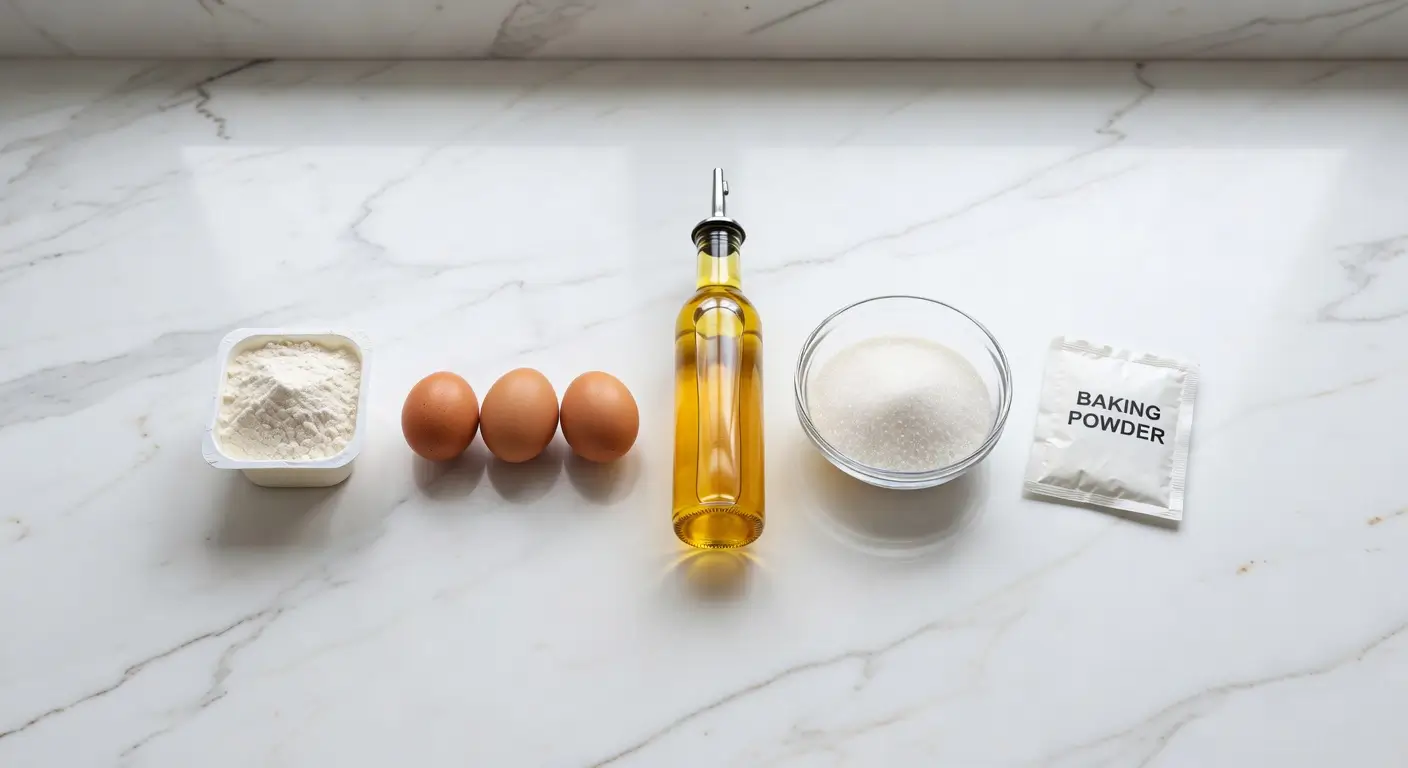
The beauty of this French yogurt cake lies in its simplicity. You’ll need just six basic pantry staples :
Essential Ingredients :
- 1 pot (125g) plain or vanilla yoghurt (this becomes your measuring cup)
- 3 pots granulated sugar (the sweet foundation that creates a tender crumb)
- 3 pots all-purpose flour (provides structure and that signature fluffy texture)
- 1/2 pot vegetable oil or melted butter (keeps the cake incredibly moist)
- 3 large eggs (acts as the binding agent and adds richness)
- 1 packet (about 2 teaspoons) baking powder (ensures a beautiful rise)
- Optional: 1 teaspoon vanilla extract, zest of 1 lemon, or 2 tablespoons cocoa powder
Smart Substitutions :
- Swap plain yoghurt with Greek yoghurt for extra richness (reduce oil slightly)
- Use coconut oil instead of vegetable oil for a subtle tropical note
- Replace white sugar with coconut sugar for a deeper, caramel-like flavor
- Try whole wheat flour for half the all-purpose flour to boost fiber content
- For dairy-free: use plant-based yoghurt (soy or coconut work beautifully)
Timing
| Preparation Time | 10 minutes (mixing and preparing the pan) |
|---|---|
| Baking Time | 35–40 minutes (depending on your oven) |
| Cooling Time | 15 minutes (before serving warm, or longer for room temperature) |
| Total Active Time | 10 minutes |
| Total Time | Approximately 50 minutes from start to finish |
Step-by-Step Instructions
Step 1 : Prepare Your Workspace and Preheat
Preheat your oven to 180°C (350°F). Grease a 9-inch round cake pan or loaf tin generously with butter, then dust lightly with flour, tapping out any excess. This double protection ensures your cake releases perfectly every time.
- Pro tip : Line the bottom with parchment paper for extra insurance, especially if your pan has a history of sticking.
Step 2 : Mix the Wet Ingredients
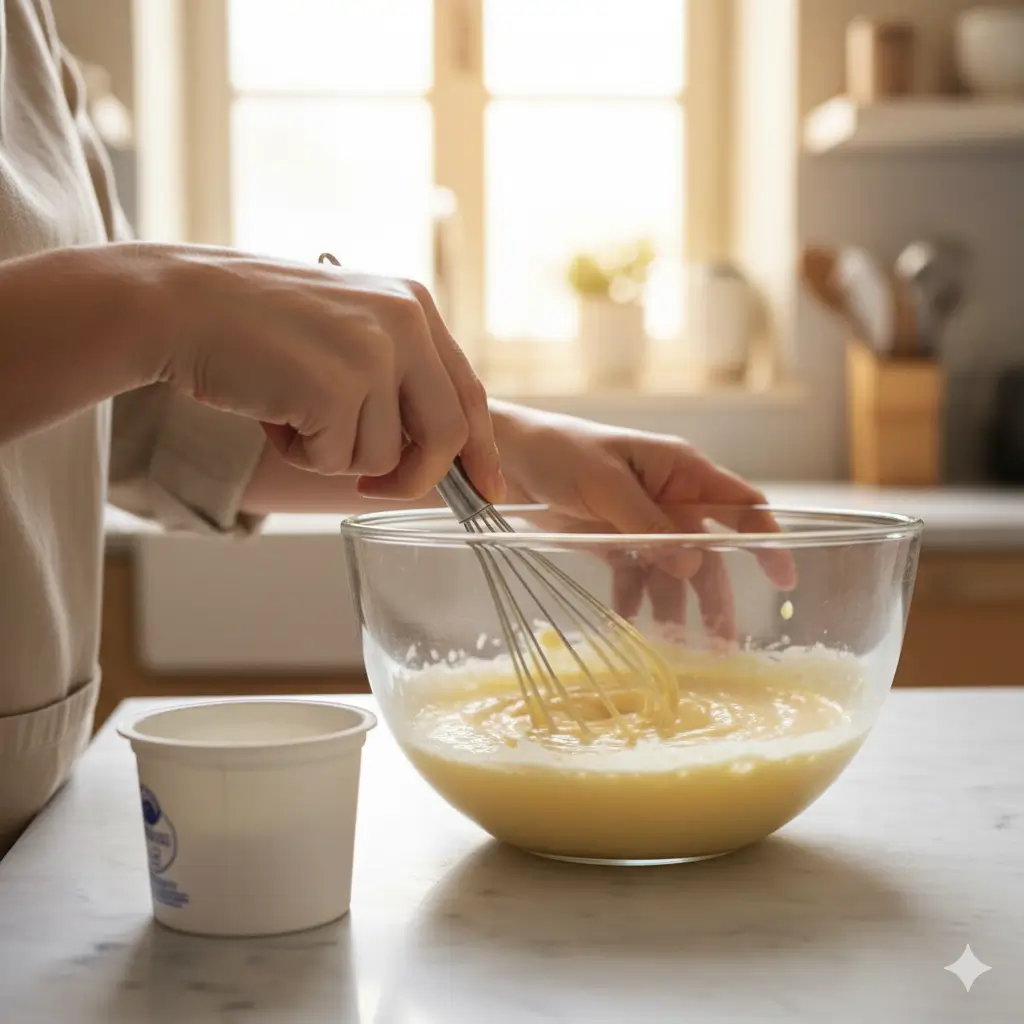
Empty your yoghurt pot into a large mixing bowl, then rinse and dry the pot thoroughly—this is now your official measuring cup. Add the 3 eggs to the bowl with the yoghurt and whisk vigorously for about 30 seconds until well combined and slightly frothy. Pour in the half pot of oil and whisk again. The mixture should look creamy and unified with no streaks of unmixed egg. This step creates the tender, moist foundation that makes this gâteau au yaourt so irresistible.
Step 3 : Incorporate the Dry Ingredients
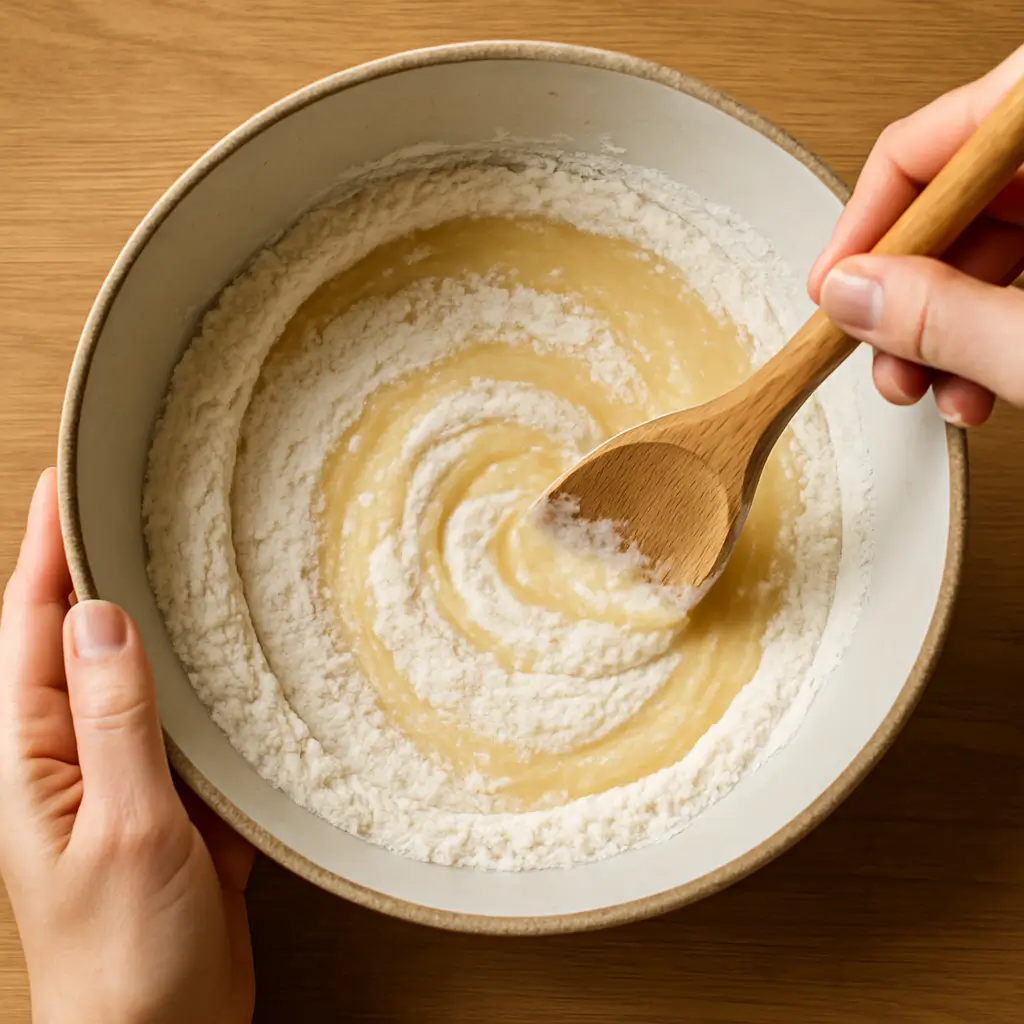
Using your trusty yoghurt pot, measure 3 pots of sugar and add them to the wet mixture. Stir with a wooden spoon or whisk until the sugar begins to dissolve, about 20 seconds. Next, measure 3 pots of flour and the baking powder into the bowl. Here’s the key technique: fold gently using a spatula or wooden spoon in a figure-eight motion. Mix just until no dry flour pockets remain—overmixing develops gluten and creates a tough cake. The batter should be smooth, thick, and pourable, similar to pancake batter. If adding vanilla, lemon zest, or cocoa powder, fold them in now with just a few gentle strokes.
Step 4 : Bake to Golden Perfection
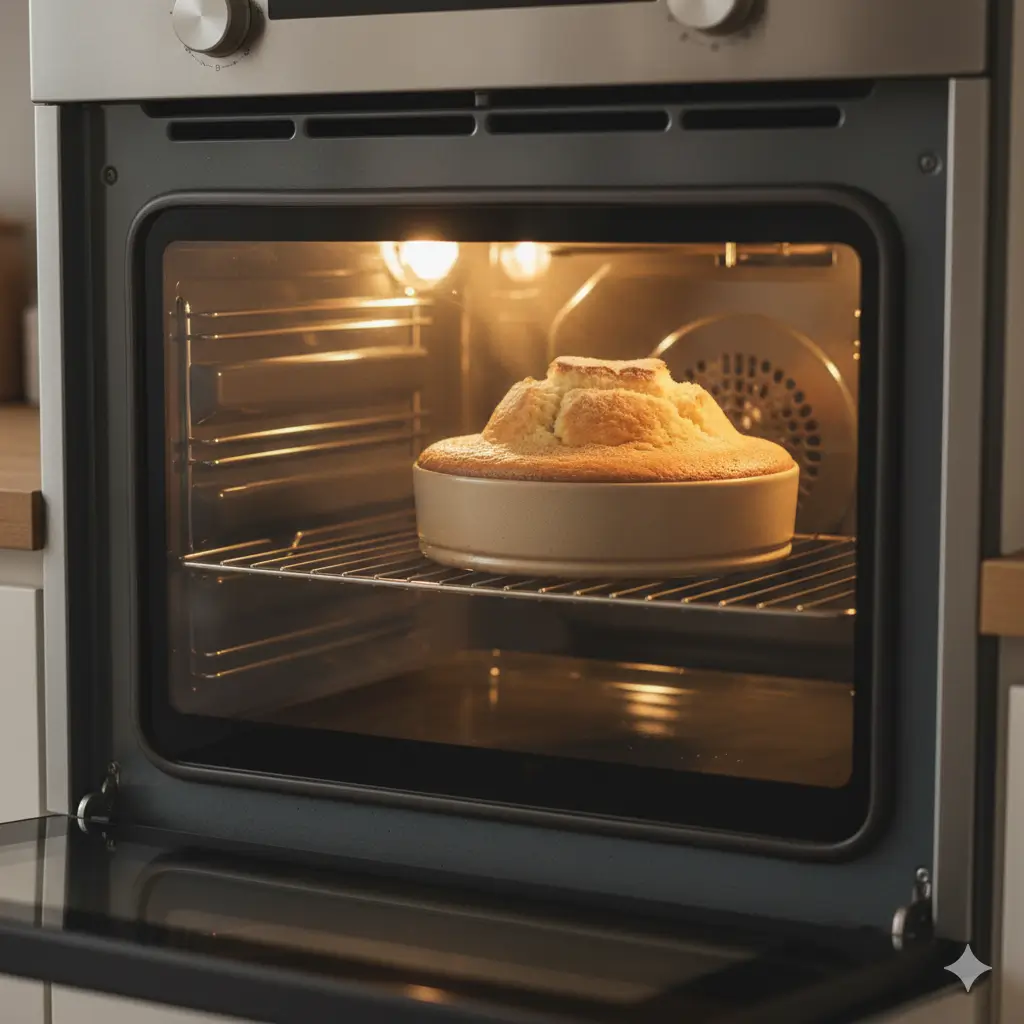
Pour the batter into your prepared pan, using a spatula to spread it evenly to the edges. Gently tap the pan on the counter twice to release any air bubbles. Place in the center of your preheated oven and bake for 35-40 minutes without opening the door for the first 30 minutes (this prevents the cake from collapsing). The cake is done when it’s risen beautifully, golden brown on top, and a toothpick inserted into the center comes out clean or with just a few moist crumbs. The top should spring back gently when touched.
Step 5 : Cool and Serve
Remove from the oven and let the cake rest in the pan for 10 minutes—this allows the structure to set. Run a butter knife around the edges, then invert onto a wire rack. Flip right-side up and let cool for at least 5 more minutes before slicing. For the best texture, many bakers recommend waiting until the cake reaches room temperature, as the flavors develop and the crumb becomes even more tender.
Nutritional Information
| Calories | 245 kcal |
| Total Fat | 10g (2g saturated fat) |
| Carbohydrates | 35g |
| Sugars | 18g |
| Protein | 5g |
| Fiber | 1g |
| Sodium | 95mg |
| Calcium | 8% of daily value |
This yogurt pot cake provides moderate energy with beneficial probiotics from the yoghurt and protein from the eggs. Compared to butter-heavy cakes, it contains approximately 30% less saturated fat while maintaining a rich, delicious taste.
Healthier Alternatives for the Recipe
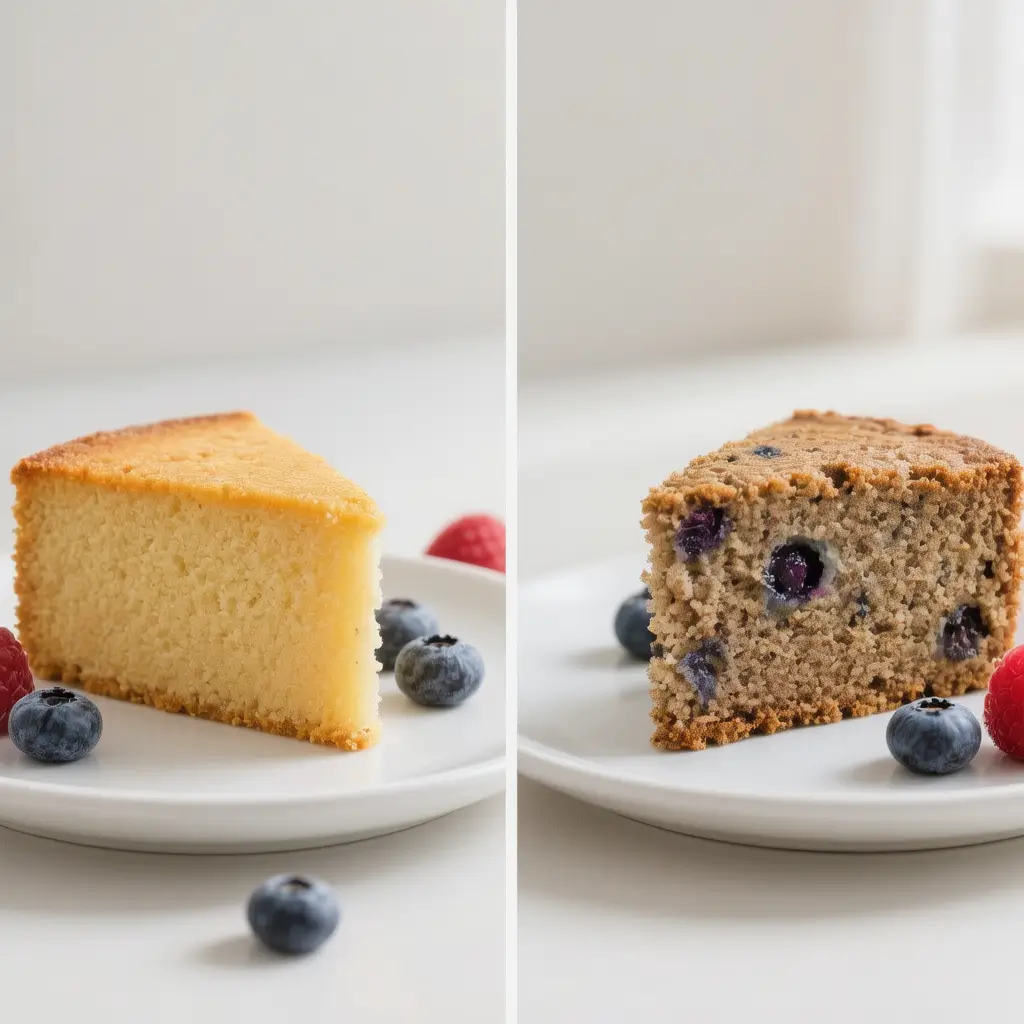
Transform this already simple cake into an even more nutritious treat :
- Reduce Sugar : Cut the sugar to 2 pots instead of 3 and add 1/2 cup mashed banana or unsweetened applesauce for natural sweetness and extra moisture. This reduces refined sugar by approximately 33%.
- Boost Whole Grain s: Replace 1.5 pots of all-purpose flour with whole wheat pastry flour or oat flour. This increases fiber content by 60% while maintaining a tender crumb.
- Lower Fat : Use only 1/3 pot of oil and replace the remainder with additional yoghurt or Greek yoghurt for a protein boost with fewer calories.
- Add Nutrients : Fold in 1/2 cup of blueberries, chopped nuts, or dark chocolate chips for antioxidants, healthy fats, and added texture.
- Make it Vegan : Use plant-based yoghurt, replace eggs with flax eggs (3 tablespoons ground flaxseed mixed with 9 tablespoons water, let sit 5 minutes), and ensure your sugar is vegan-certified.
- Gluten-Free Version : Substitute a 1:1 gluten-free flour blend for regular flour and add 1/4 teaspoon xanthan gum if your blend doesn’t include it.
Serving Suggestions
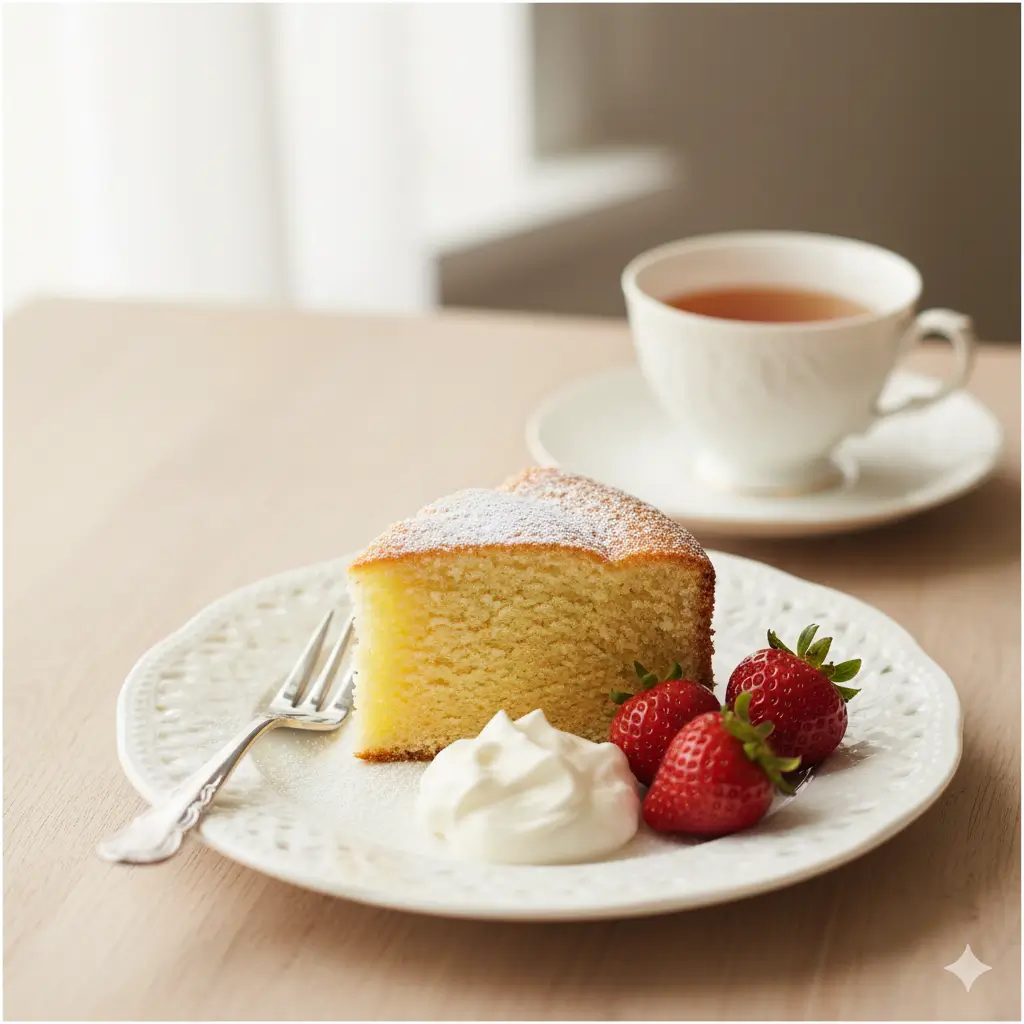
| Classic Presentation | Dust the cake with powdered sugar using a fine-mesh sieve for an elegant, bakery-style finish. The contrast against the golden crumb creates a visually stunning presentation. |
|---|---|
| Breakfast Treat | Serve warm slices with Greek yoghurt and fresh berries for a protein-rich morning option that feels indulgent yet balanced. |
| Afternoon Tea | Pair with lightly whipped cream and strawberry compote for a refined dessert that impresses guests without revealing how simple it is. |
| Flavor Amplification | Drizzle with lemon glaze for a bright, tangy finish, or spread with Nutella while warm to create a rich chocolate-forward variation. |
| Seasonal Variations | Adapt the cake year-round by topping with caramelized apples in autumn, fresh citrus in winter, or ripe stone fruits in summer. |
| Kid-Friendly Fun | Let kids decorate individual slices with sprinkles, mini chocolate chips, or colorful icing for a playful, hands-on dessert experience. |
Common Mistakes to Avoid
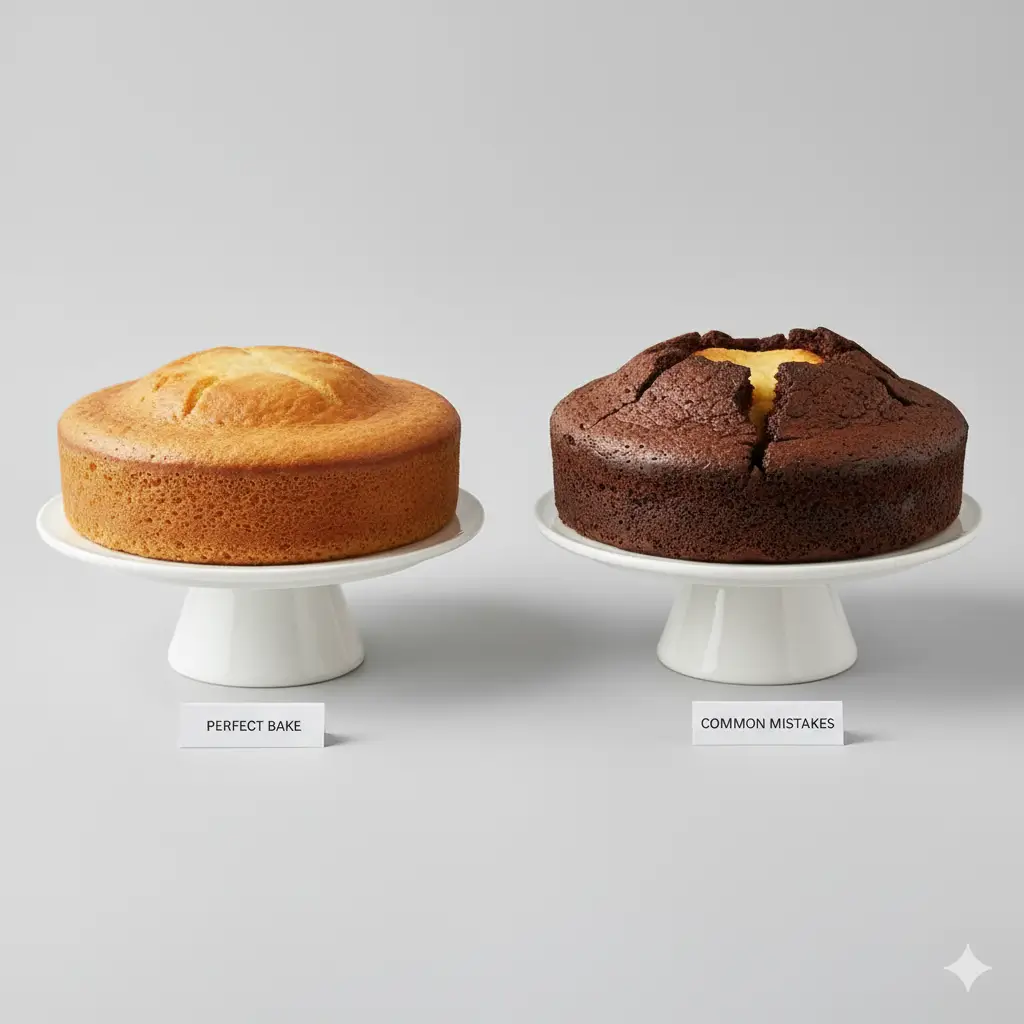
| Overmixing the Batter | Mixing too much after adding flour develops excess gluten, resulting in a dense, tough cake. Mix only until just combined—visible streaks are fine. Overmixing can reduce tenderness by up to 40%. |
|---|---|
| Incorrect Oven Temperature | An oven that runs too hot can cause a cracked top and undercooked center. Oven thermometers reveal that nearly 60% of home ovens are off by 25°F or more. |
| Opening the Oven Too Early | Opening the oven door before 30 minutes causes sudden temperature drops that may collapse the cake’s center. Trust the timer and oven light instead. |
| Improper Pan Preparation | Skipping greasing and flouring is the fastest way to a stuck cake. Even non-stick pans benefit from this extra layer of protection. |
| Using Cold Ingredients | Cold eggs and yoghurt don’t emulsify well with oil, leading to a grainy texture. Let ingredients rest at room temperature for 20–30 minutes before baking. |
| Inaccurate Pot Measurements | Overfilled yoghurt pots throw off ingredient ratios. Always level off flour and sugar using a straight edge for consistent results. |
| Cutting Too Soon | Slicing a hot cake compresses the crumb and creates a gummy texture. Allow the cake to cool fully for clean, well-structured slices. |
Storing Tips for the Recipe
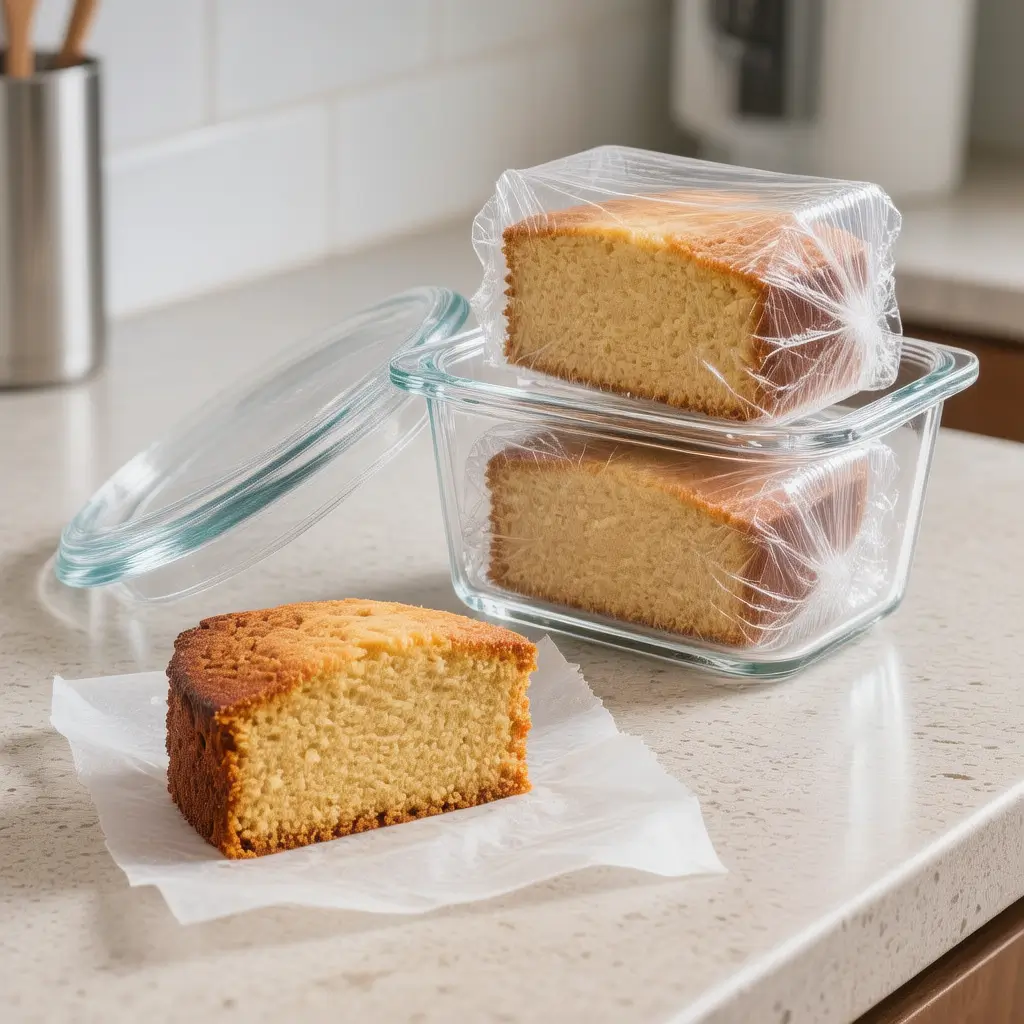
| Room Temperature | Store the completely cooled cake in an airtight container at room temperature for up to 3 days. Place parchment paper between the cake and lid to prevent condensation and sogginess. |
|---|---|
| Refrigeration | Refrigeration keeps this yoghurt cake especially moist. Wrap tightly or store in an airtight container for up to 5 days. Let slices rest at room temperature for 15 minutes before serving, or enjoy chilled for a denser texture. |
| Freezing | Wrap individual slices or the whole cake in plastic wrap and aluminum foil. Freeze for up to 3 months. Thaw overnight in the refrigerator or at room temperature for 2 hours with minimal texture change. |
| Pre-Baking Preparation | Batter can be mixed up to 2 hours in advance and refrigerated. Allow it to sit at room temperature for 15 minutes before baking for even results. |
| Flavored Variations | Cakes with added fresh fruit should be consumed within 2 days at room temperature or 4 days refrigerated due to increased moisture. |
Conclusion
This easy yoghurt pot cake proves that exceptional baking doesn’t require professional equipment, precise measurements, or culinary expertise. With just one humble yoghurt pot as your guide, you can create a tender, flavorful cake that delights everyone from toddlers taking their first baking steps to experienced home cooks seeking simplicity. The genius of this no scale cake recipe lies in its forgiving nature—it welcomes experimentation, accommodates substitutions, and delivers consistent results time after time. Whether you’re baking for a special occasion, satisfying a sudden sweet craving, or teaching the next generation about the joy of homemade treats, this French yogurt cake is your reliable companion. Ready to experience the magic yourself? Grab a pot of yoghurt from your fridge and start baking—your kitchen is about to smell absolutely amazing, and in less than an hour, you’ll be enjoying a slice of pure comfort. Don’t forget to share your creation and let us know which flavor variation becomes your family favorite!

FAQs
Can I use flavored yoghurt instead of plain ?
- Absolutely! Flavored yoghurts like vanilla, lemon, or even fruit varieties work beautifully and add an extra dimension of taste. Just be aware that fruit-flavored yoghurts may create a slightly denser texture and alter the final color. Vanilla yoghurt is particularly popular and enhances the cake’s overall sweetness.
Why did my cake sink in the middle ?
- A sunken center typically results from opening the oven door too early (before 30 minutes), underbaking, or using old baking powder that’s lost its leavening power. Test your baking powder by mixing a teaspoon with hot water—it should bubble vigorously if still active. Also ensure your oven has fully preheated before baking.
Can I make this in a different pan size ?
- Yes, this gâteau au yaourt is highly adaptable. Use a loaf pan (bake 45-50 minutes), muffin tins (bake 18-22 minutes), or even a bundt pan (bake 40-45 minutes). Adjust baking time accordingly and always test with a toothpick. Smaller pans require less time; larger or deeper pans need more.
How do I know when the cake is perfectly done ?
- Look for three signs: the top should be golden brown and spring back when gently pressed, the edges should pull slightly away from the pan, and a toothpick inserted in the center should come out clean or with just a few moist crumbs (not wet batter). The internal temperature should reach about 200°F (93°C).
Can I halve or double this recipe ?
- Certainly! The beauty of using the yoghurt pot measurement system is that it scales perfectly. For half the recipe, use a smaller pan and reduce baking time by about 10 minutes. For double, use two pans or a larger one and increase baking time, checking frequently after the original time has passed.
What’s the best way to add chocolate chips or fruit ?
- Toss chocolate chips, berries, or diced fruit in a tablespoon of flour before folding into the batter—this prevents them from sinking to the bottom. Add them as the very last step, folding gently just 2-3 times to distribute without overmixing. Use no more than 1 cup of add-ins to maintain proper cake structure.
Your Feedback Helps Us Grow!
There are no reviews yet. Be the first one to write one.