Fluffy pilaf rice recipe : 5 Simple Dishes for Dinner
Table of Contents
Introduction
Are you tired of bland, mushy rice that falls flat at the dinner table? Fear not—because the secret to the perfect fluffy pilaf rice recipe is about to be revealed. This versatile grain can be the foundation for a variety of delicious and satisfying meals, and we’re here to show you how.
Pilaf rice, also known as pilau or pulao, is a method of cooking rice in which the grains are sautéed in oil or butter before simmering in broth or water. This technique creates beautifully separate, fluffy grains infused with rich, savory flavors.
In this comprehensive guide, we’ll share five simple and flavor-packed versions of the fluffy pilaf rice recipe that are perfect for busy weeknights or weekend gatherings. From vibrant vegetable pilaf to fragrant chicken and saffron pilaf, we’ve got you covered with easy-to-follow instructions and tips to ensure your pilaf dishes turn out perfectly every time.
Ingredients List
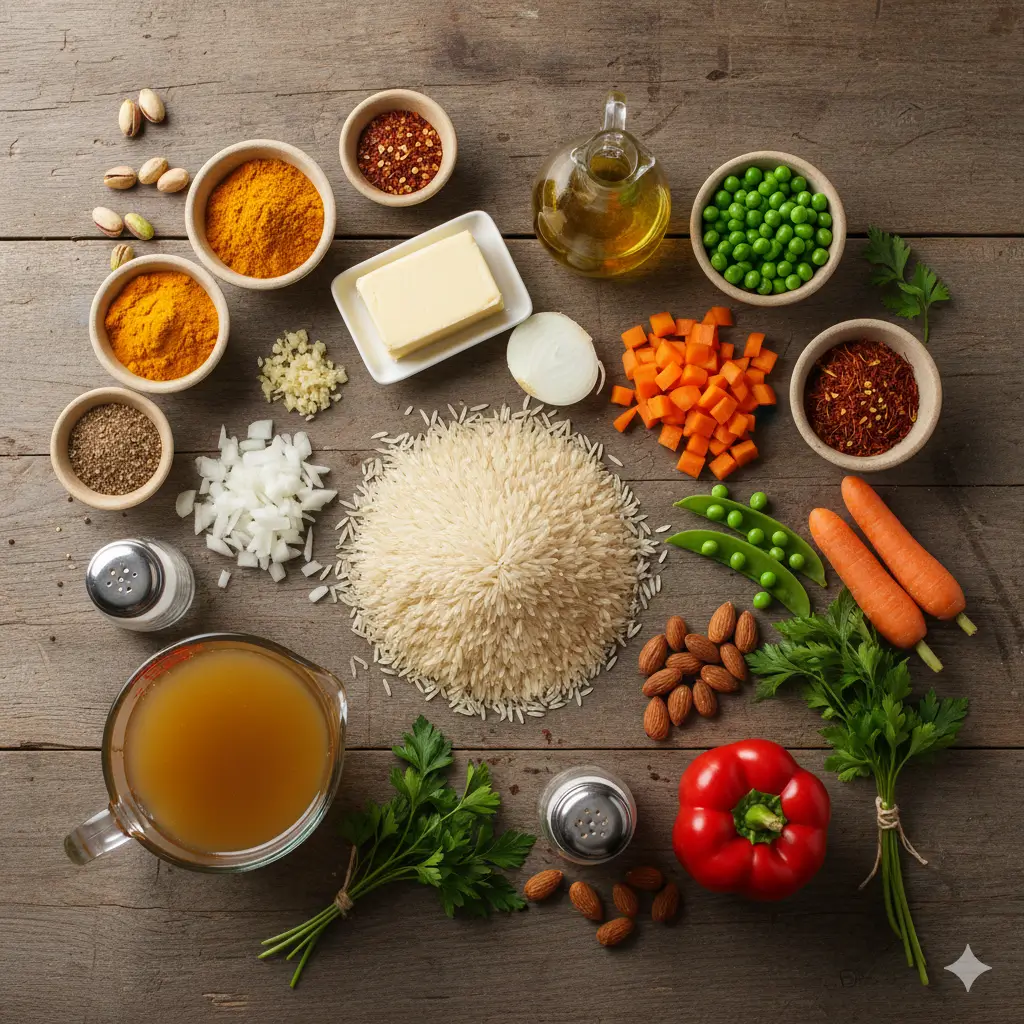
To make our fluffy pilaf rice recipes, you’ll need the following ingredients:
- Long-grain white rice (such as basmati or jasmine)
- Butter or olive oil
- Onion, diced
- Garlic, minced
- Spices (such as cumin, coriander, turmeric, or saffron)
- Broth or water
- Salt and pepper to taste
- Optional add-ins : Vegetables, proteins, herbs, or nuts
Feel free to adjust the quantities and swap out ingredients based on your personal preferences and dietary needs. The beauty of pilaf is its versatility, so don’t be afraid to get creative!
⏱️ Timing
| Stage | Description | Time Required |
|---|---|---|
| Active Preparation | Chopping, sautéing, and assembling the ingredients. | 15–20 minutes |
| Cooking Time | Simmering the rice in a flavorful broth until tender. | 15–25 minutes |
| Total Time | Overall duration from start to finish. | 30–45 minutes |
| Compared to Average Rice Dishes: Traditional rice dishes can take up to an hour, making pilaf recipes a time-saving option. ⏳ 20–30% faster. | ||
Step-by-Step Instructions
Step 1: Rinse the rice
Begin by rinsing the rice under cool running water until the water runs clear. This step helps remove any excess starch, ensuring your pilaf turns out light and fluffy.
Step 2: Sauté the aromatics
In a large saucepan or Dutch oven, melt the butter or heat the olive oil over medium heat. Add the diced onion and sauté until fragrant and translucent, about 5 minutes. Then, stir in the minced garlic and continue cooking for an additional 1-2 minutes.
Step 3: Toast the rice
Add the rinsed rice to the pan and stir to coat the grains with the oil or butter. Toast the rice for 2-3 minutes, stirring frequently, until it becomes slightly translucent.
Step 4: Add the liquid and spices
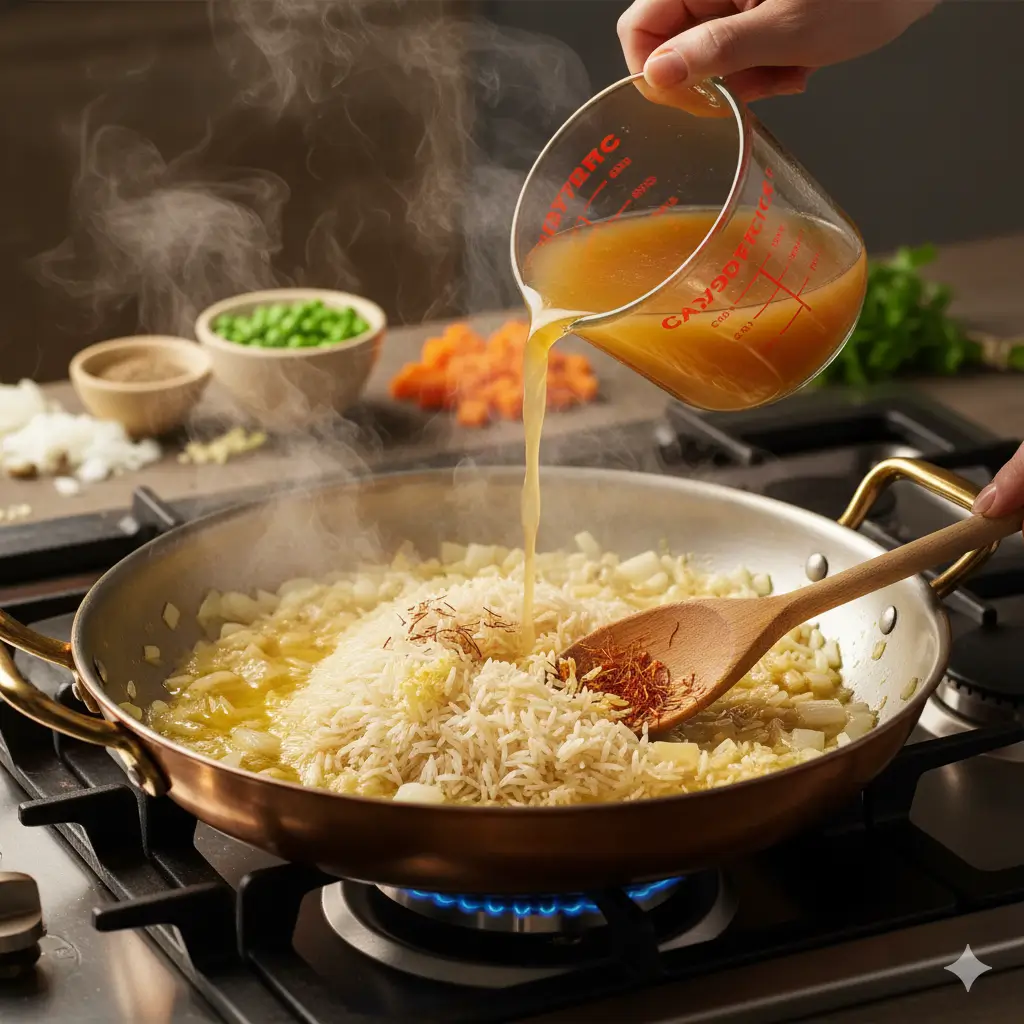
Pour in the broth or water, along with any desired spices (such as cumin, coriander, or turmeric). Bring the mixture to a boil, then reduce the heat to low, cover the pan, and simmer for 15-20 minutes, or until the rice is tender and the liquid has been absorbed.
Step 5: Fluff and serve
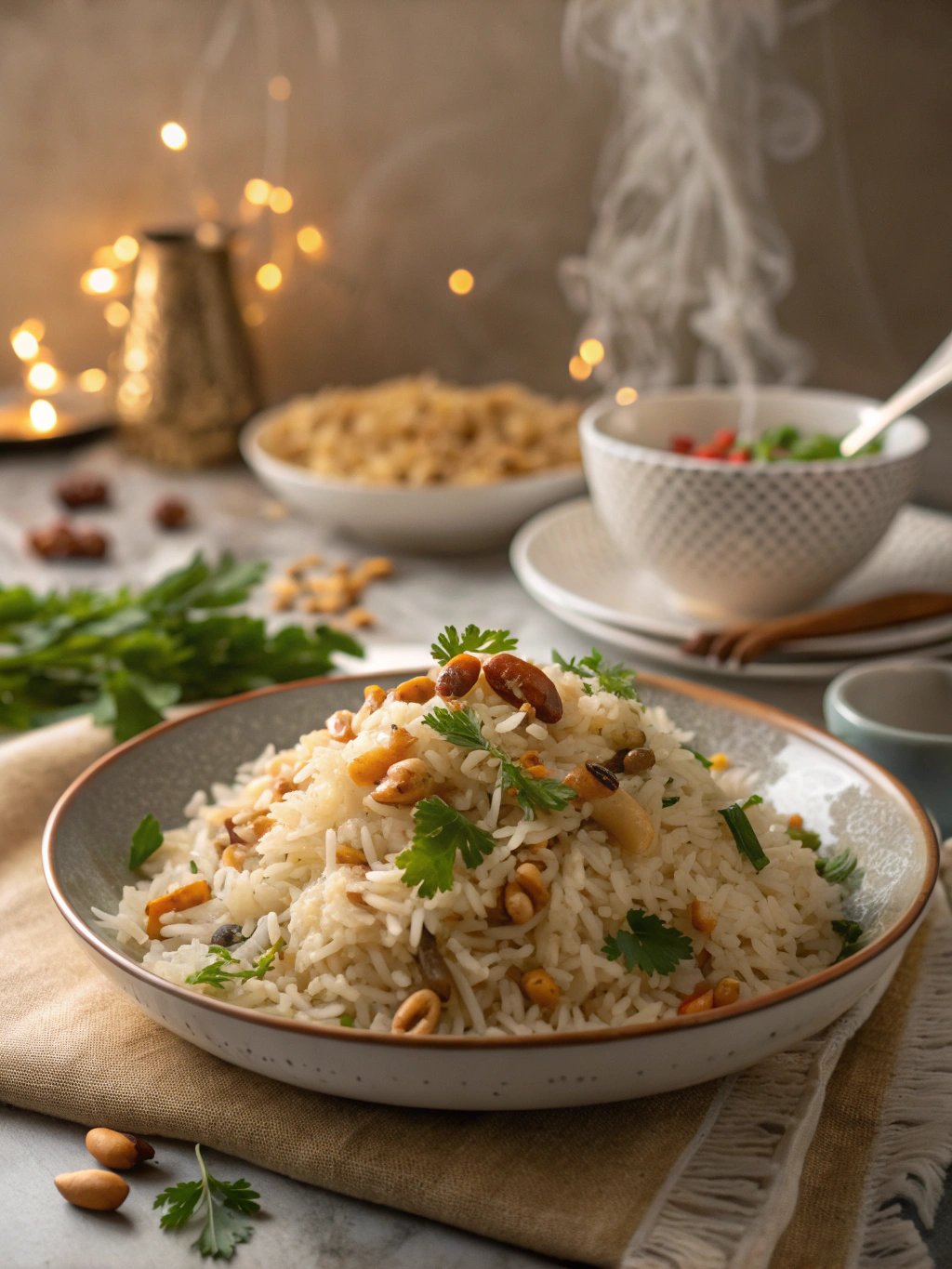
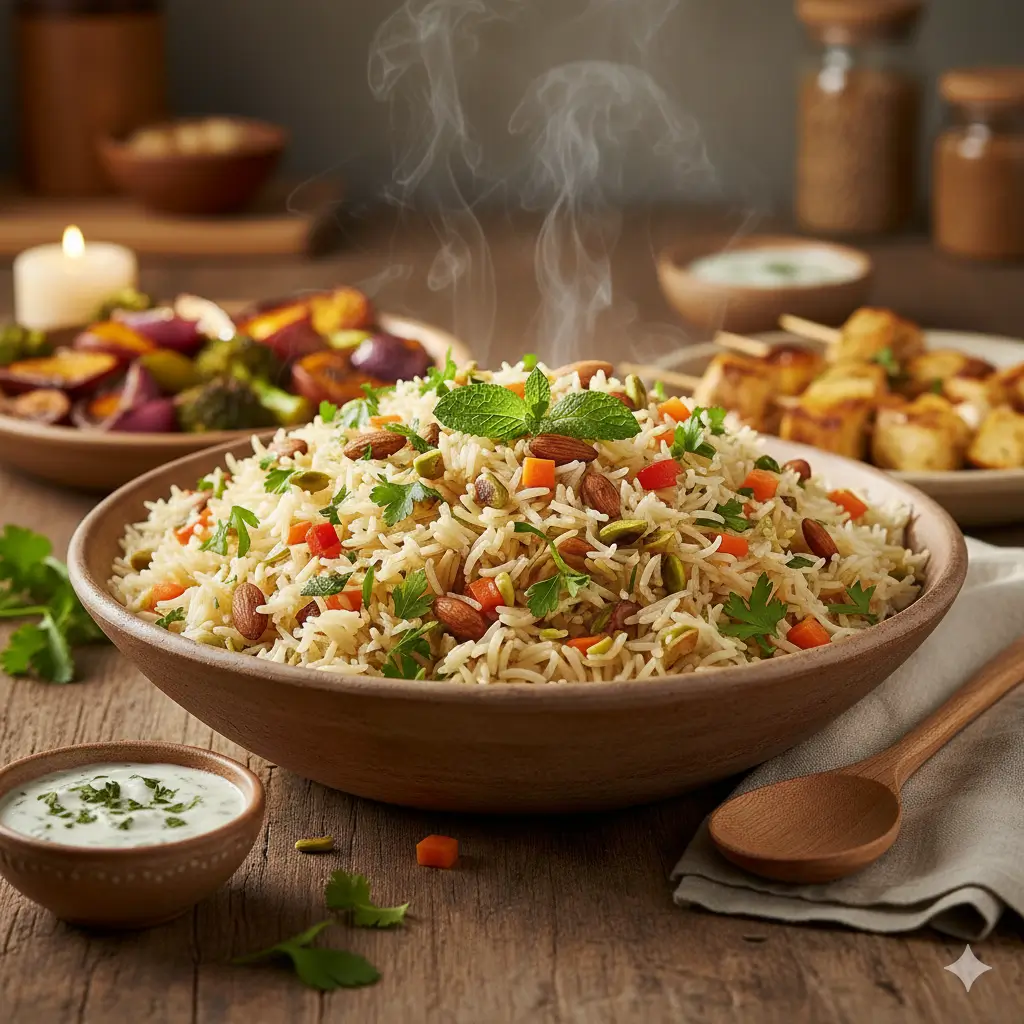
Once the rice is cooked, remove the pan from the heat and let it sit, covered, for an additional 5-10 minutes. This resting period allows the rice to finish steaming and become perfectly fluffy. Fluff the rice with a fork and serve hot, garnished with fresh herbs, nuts, or your favorite toppings.
🥗 Nutritional Information
| Nutrient | Amount per Serving (1 cup) | Notes |
|---|---|---|
| Calories | 200–250 | Moderate calorie content for a light and balanced meal. |
| Carbohydrates | 35–40g | Primary energy source, mainly from rice and vegetables. |
| Protein | 4–6g | Contributes to muscle maintenance and satiety. |
| Fat | 5–8g | Healthy fats from oils or nuts enhance flavor and absorption of nutrients. |
| Fiber | 2–3g | Supports digestion and helps keep you full longer. |
| Sodium | 150–250mg | Moderate sodium level; adjust seasoning to taste. |
| 💡 Note: Nutritional values may vary depending on specific ingredients and portion sizes, but this serves as a reliable baseline for a balanced, nutrient-dense pilaf dish. | ||
Healthier Alternatives for the Recipe
To make our fluffy pilaf rice recipe even more nutritious, consider incorporating these healthier ingredient swaps and modifications:
- Use brown or wild rice instead of white rice for a boost of fiber, minerals, and antioxidants.
- Swap out some of the butter or oil for low-sodium broth or vegetable stock to reduce the overall fat content.
- Add more vegetables, such as bell peppers, peas, or spinach, to increase the fiber, vitamins, and minerals.
- Use lean protein sources, like grilled chicken or tofu, to make the dish more filling and balanced.
- Experiment with aromatic herbs and spices, like turmeric, ginger, or cilantro, to infuse the pilaf with anti-inflammatory properties.
By making these simple tweaks, you can enjoy all the flavor and satisfaction of our pilaf recipes while supporting your overall health and wellness.
🍽️ Serving Suggestions
| Serving Style | Description |
|---|---|
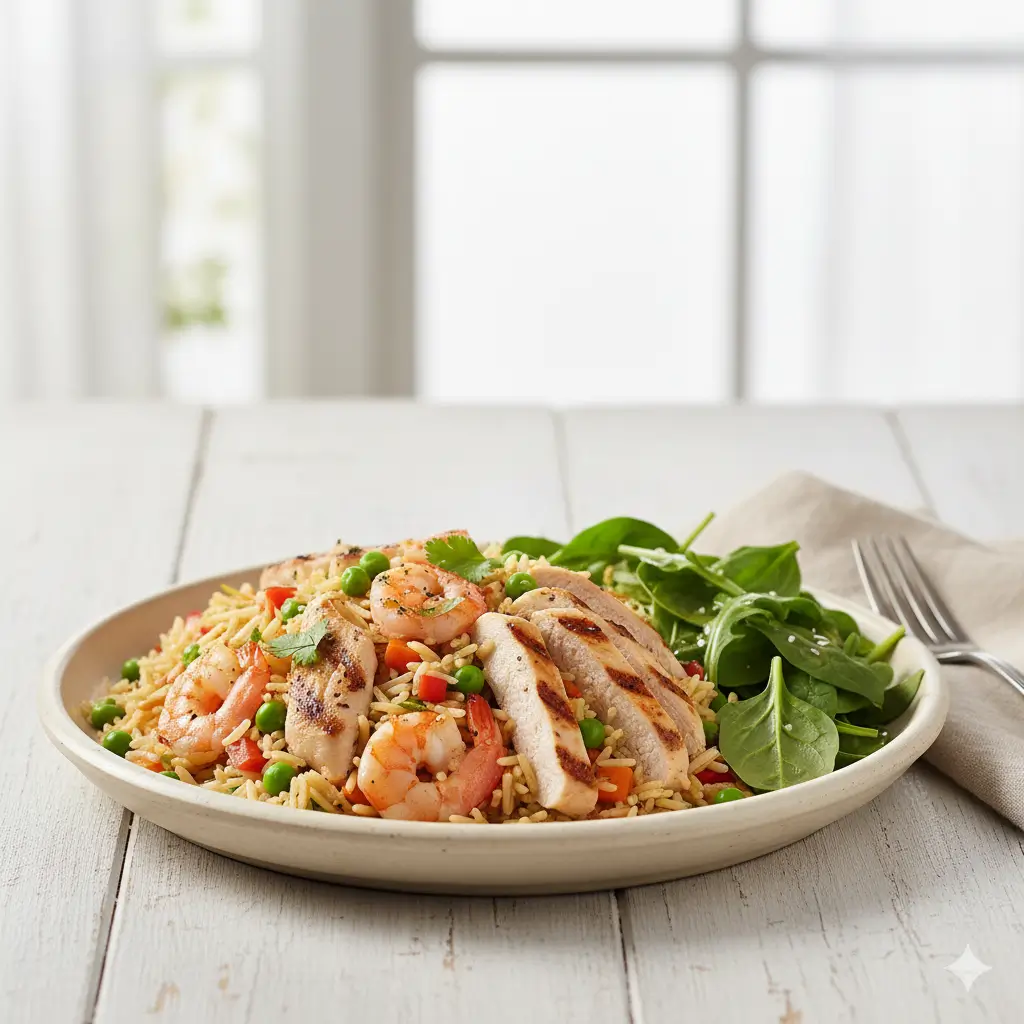
| Main Course | Top your fluffy pilaf rice with grilled or roasted proteins like chicken, shrimp, or tofu for a complete, satisfying meal. |
| Side Dish | Pair it with roasted vegetables, curries, or hearty stews for a balanced and flavorful accompaniment. |
| Wraps & Pockets | Spoon the pilaf into lettuce leaves or pita bread for a quick and portable on-the-go meal. |
| Chilled Salad | Mix chilled pilaf with fresh herbs, diced vegetables, and a light dressing for a refreshing rice salad. |
| Casserole or Stuffed Vegetables | Bake the pilaf into casseroles or stuff it into bell peppers or tomatoes for a hearty, one-dish dinner option. |
| 💡 Tip: Versatile, wholesome, and delicious — pilaf rice effortlessly adapts to any meal, making it a perfect addition to your weekly menu. | |
⚠️ Common Mistakes to Avoid
| Mistake | Description |
|---|---|
| Overcrowding the pan | Use a large enough saucepan or Dutch oven to ensure even cooking. Overcrowding can lead to soggy, clumped grains. |
| Skipping the rinsing step | Always rinse the rice before cooking to remove excess starch and prevent a gummy texture. |
| Stirring too much during cooking | Avoid over-stirring the rice while it simmers — it can break down the grains and make them mushy. |
| Lifting the lid too often | Keep the lid on during cooking to retain steam and ensure the rice cooks evenly. |
| Rushing the resting period | Let the cooked rice sit, covered, for 5–10 minutes to allow steam to finish fluffing the grains perfectly. |
| 💡 Tip: By avoiding these common mistakes, you’ll achieve perfectly fluffy, restaurant-quality pilaf rice every single time! | |
Storing Tips for the Recipe
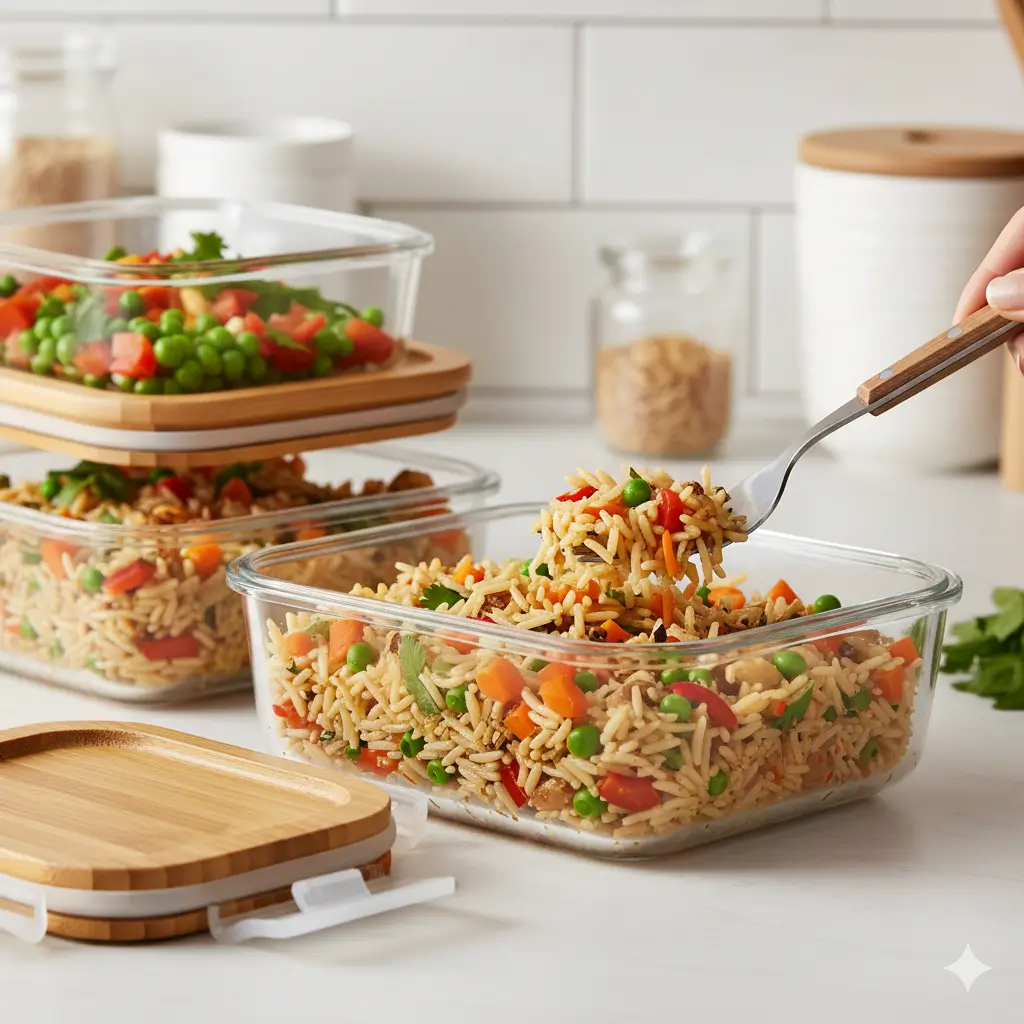
Leftover pilaf rice can be stored in an airtight container in the refrigerator for up to 4 days. To reheat, simply add a splash of broth or water and gently fluff the rice with a fork before microwaving or reheating on the stovetop.
For longer-term storage, pilaf rice can also be frozen. Allow the cooked rice to cool completely, then transfer it to a freezer-safe bag or container. When ready to use, thaw the rice in the refrigerator overnight and reheat as needed.
To prevent the rice from drying out or becoming soggy, be sure to store it in a tightly sealed container or bag. This will help maintain the fluffy, separate grains that are the hallmark of a perfect pilaf.
Conclusion
Mastering the art of fluffy, flavorful pilaf rice is a game-changer in the kitchen. With this versatile grain as your foundation, you can create a wide variety of delicious and satisfying meals that are sure to impress.
Whether you’re in the mood for a vibrant vegetable pilaf, a fragrant chicken and saffron dish, or a hearty, protein-packed version, our easy-to-follow recipes have you covered. With just a few simple techniques and some strategic ingredient swaps, you can elevate your pilaf game and bring restaurant-quality flavors right to your own dinner table.
So why settle for bland, mushy rice when you can enjoy the light, aromatic perfection of pilaf? Give these recipes a try, and get ready to savor the rich, complex flavors that will have your family and friends coming back for more.
FAQs
Q: Can I use brown rice instead of white rice for these pilaf recipes?
A: Absolutely! Brown rice is a great, healthier alternative to white rice. The cooking time may need to be adjusted slightly, but the same basic techniques will apply.
Q: Do I need to use a specific type of rice for pilaf?
A: While long-grain varieties like basmati or jasmine rice are traditionally used, you can experiment with other types of rice, such as medium-grain or even short-grain. The key is to rinse the rice well and toast it before adding the liquid.
Q: How can I make my pilaf more flavorful?
A: Try incorporating aromatic spices like cumin, coriander, or turmeric, or use broth instead of water for added depth of flavor. You can also sauté the rice in oil or butter before cooking to create a richer, more savory base.
Q: Can I make pilaf in advance?
A: Yes, pilaf rice can be prepared ahead of time. Simply follow the recipe instructions, then allow the cooked rice to cool completely before storing it in an airtight container in the refrigerator or freezer. Reheat as needed, adding a splash of broth or water to revive the texture.
Q: What are some creative ways to serve pilaf rice?
A: Pilaf rice is incredibly versatile and can be served in a variety of ways, from main courses to salads and casseroles. Get creative by stuffing it into vegetables, wrapping it in lettuce leaves, or using it as a base for Buddha bowls or grain-based dishes.
Your Feedback Helps Us Grow!
There are no reviews yet. Be the first one to write one.